The Best Zoos and Aquariums of Western Washington

Image: Courtesy Seattle Aquarium
Sure, activities on Seattle-area trails and waterways might provide chance animal encounters, but nearby zoos and aquariums offer an experience that's less "quick, grab the bear spray." Here's where to catch a glimpse of wild creatures—and learn from their caretakers.

Woodland Park Zoo
Seattle
Born well over a century ago on the former Phinney estate (of Phinney Ridge fame), the state’s biggest zoo by animal count draws more than a million visitors in a normal year. This is a zoo so classic that Richard Scarry might as well have devised it—lions and zebras in the African savanna exhibit, gorillas and toucans in a rainforest enclosure, and penguins splashing around a rock outcropping make a total of over 800 animals. But for all its tried-and-true aspects, Seattle’s hometown zoo makes bold moves in accessibility with community programs and a detailed sensory guide that lays out what parts might be loud, smelly, or intense for sensitive visitors. They’ve long centered conservation goals over simple entertainment—not that the butterfly house isn't plenty entertaining.
Point Defiance Zoo and Aquarium
Tacoma
Of all the attractions crammed into one South Sound peninsula—rose gardens, Fort Nisqually Living History Museum, actual outdoor slides—the combo zoo and aquarium manages to stand out. It holds nearly 14,000 individuals (most of those are invertebrates, like bugs and sea creatures), including a dazzling array of sharks in the new Pacific Seas Aquarium. A shark diving add-on brings visitors nose to nose with the large fish in their warm water exhibit. Given the variety of exhibits and daily zookeeper presentations, this is a spend-all-day kind of destination.
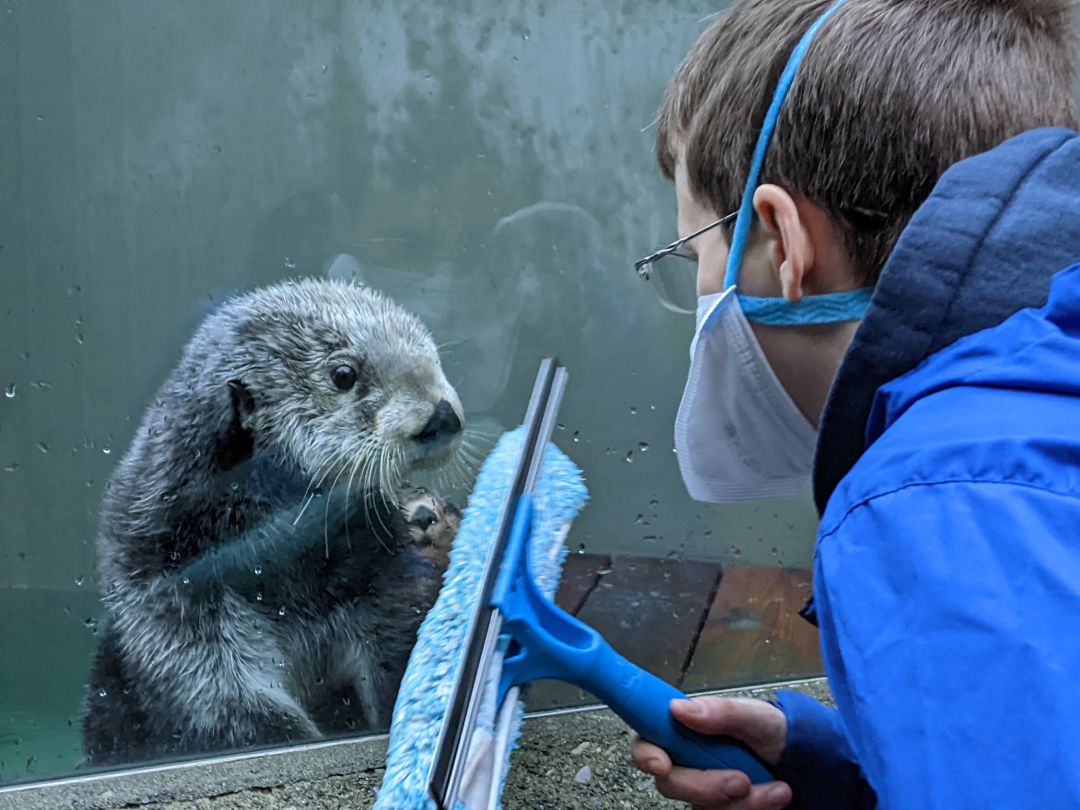
Sea otter Sekiu says hello to a window cleaner.
Image: Kelli Lee / Seattle Aquarium
Seattle Aquarium
Seattle
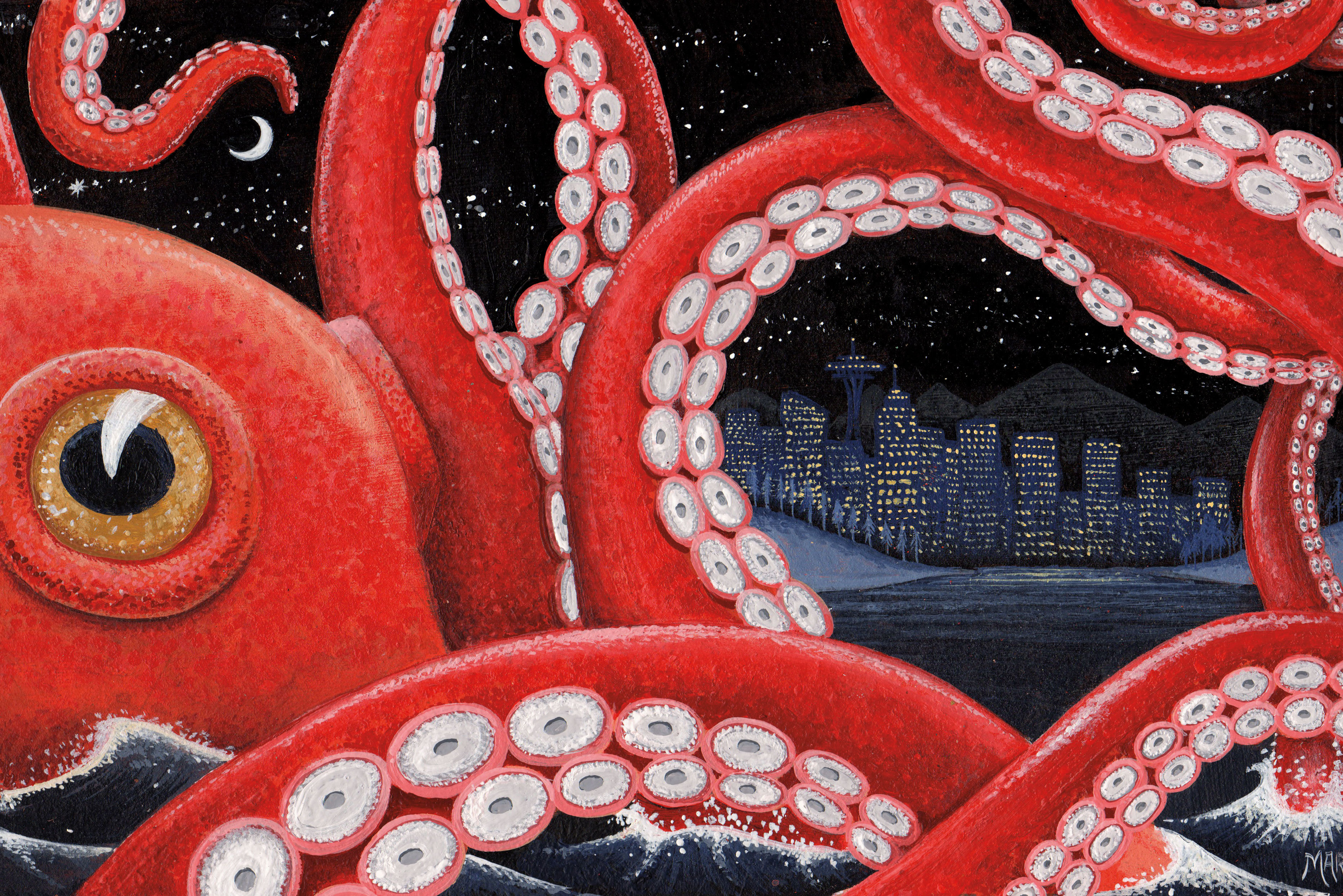
Don't mistake the singular focus of downtown's aquatic attraction—Puget Sound's marine environment—with a narrow experience. Here, "aquarium" doesn't just mean a glass tank with a few fish (and when it does, there are plenty of fascinating stories inside—see if you can spot the pirate-like rockfish with missing eyes). An underwater dome delivers calming, up-close views, and the giant Pacific octopus shows off one of the Sound's most mysterious residents. The marine mammal exhibits are home to creatures that are more feisty than fishy, like harbor seals and sea otters, including besties Mishka and Sekiu. The new Ocean Pavilion ships visitors to the warm waters of the Indo-Pacific—and 3,500 animals and plants that call tropical waters home.
Cougar Mountain Zoo
Issaquah
Tucked at the base of Cougar Mountain, just across from Lake Sammamish, the small property appropriately houses cougars, but also Siberian tigers, wolves, reindeer, macaws, and lemurs. The more intimate setting can feel like a more up-close look at the animals than other zoos can provide, and keeper staff circulate to share about the residents. Educational mini lectures are on the calendar every day, and special encounters allow visitors to feed tigers and reindeer, or get personal with the local lemurs.
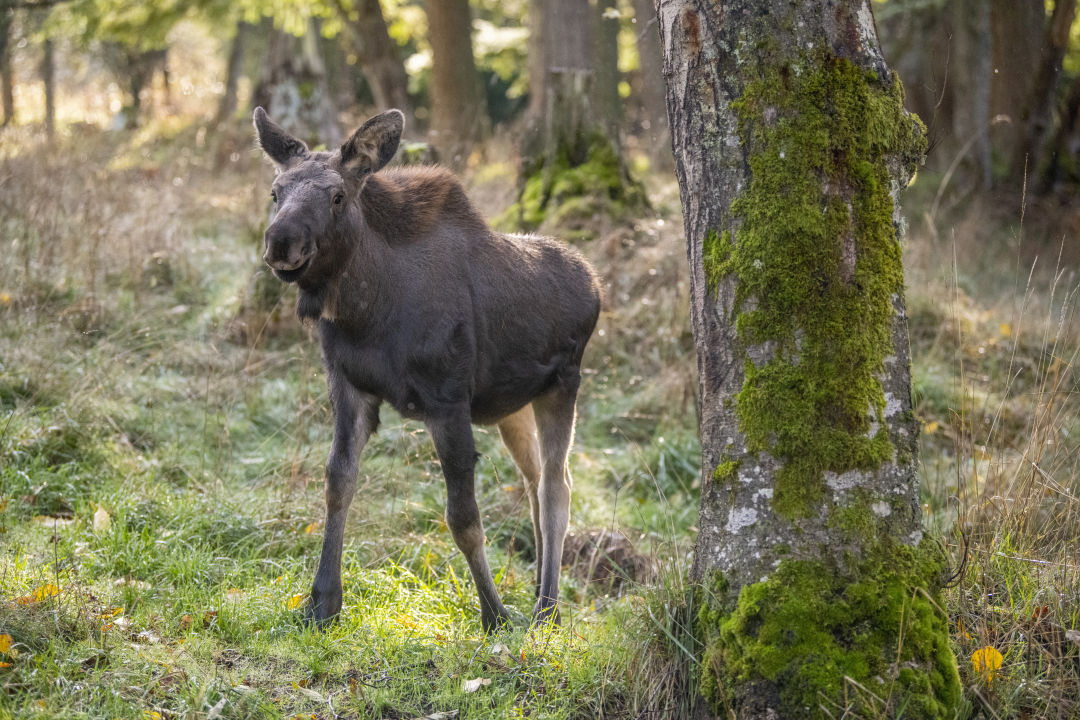
Birch the moose wanders the woody confines of Northwest Trek Wildlife Park.
Northwest Trek Wildlife Park
Eatonville
Like a Noah’s Ark for the western Cascades, the wildlife center tucked into 725 rural acres is run by Metro Parks Tacoma in conjunction with Point Defiance Zoo and Aquarium. The roster here stays local, ranging from cougars and bobcats to gray wolves and bears in both black and grizzly varieties. The free-roaming area lets moose, bison, elk, and bighorn sheep wander a forested enclosure so big visitors must drive through their territory (and heads up, May is baby animal season). Alternatively, electric trams cart visitors through the reserve on quiet sightseeing tours, and weekend keeper chats dive deeper into the worlds of reptiles, wetland creatures, and more.
Bug and Reptile Museum
bremerton
Not the name of your last nightmare, but a free-to-visit collection of some of the world’s most misunderstood creatures. Live exhibits remind viewers that even less cuddly animals have personalities—the blue-eyed skink, a kind of lizard, goes by the name Blooper—and from behind glass, even a Madagascar hissing cockroach draws curious eyes. An eight-foot-long live ant farm stays busy, and a variety of illustrated scavenger hunts create an easy road map for the small museum. Amateur entomologists and herpetologists will be in creepy-crawly heaven.