12 of Washington's Most Vital Medical Inventions
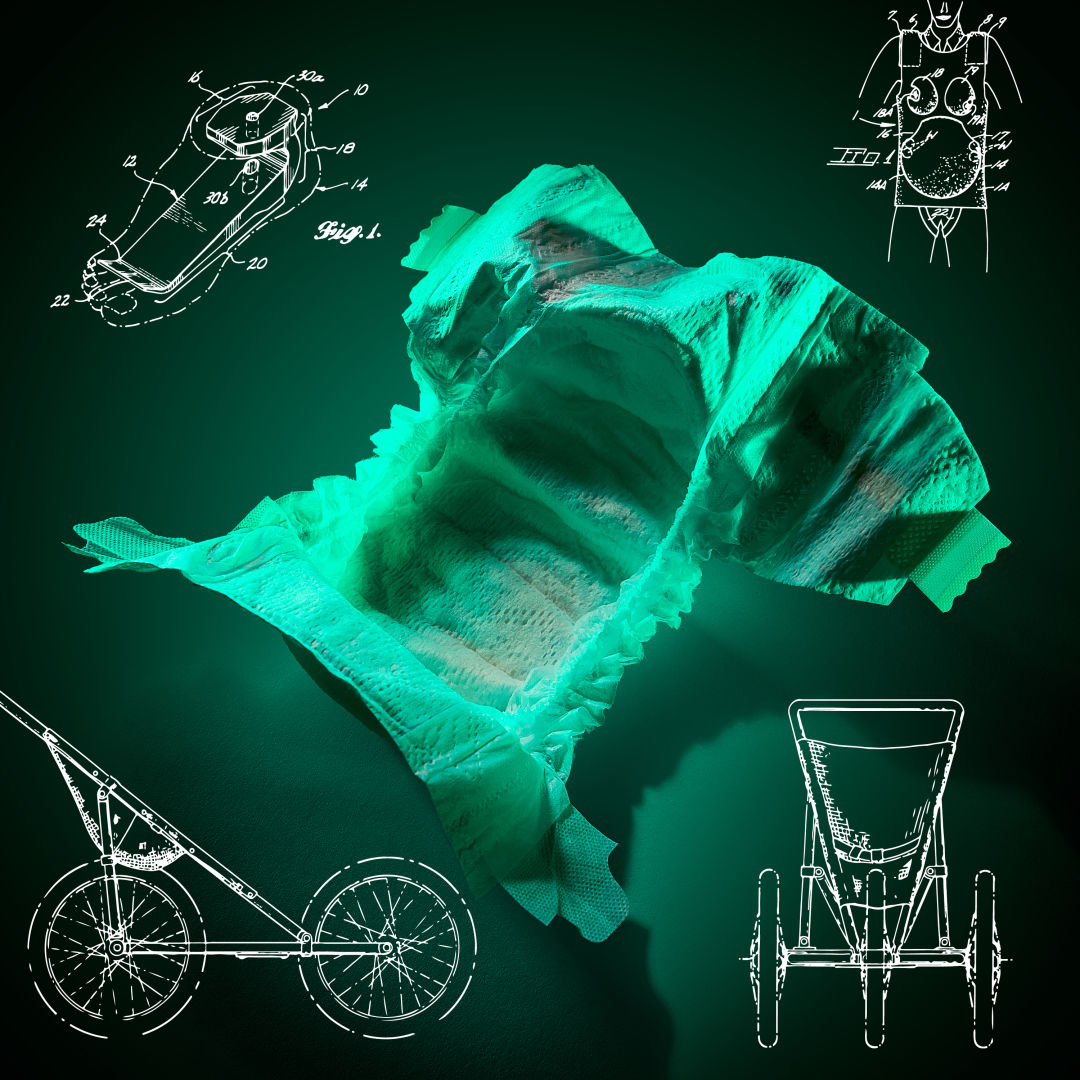
Disposable Diapers
UW grad Victor Mills pivoted a Procter and Gamble paper pulp plant into churning out absorbent, disposable covers for baby bottoms. His multibillion-dollar iteration launched Pampers in 1961.
Baby Jogger
Yakima marathon runner and father Phil Baechler had a problem: how to train while caring for his infant son. The solution: a tri-wheel racing stroller he built in 1983.
Empathy Belly
Trolls sneered, but Redmond counselor Linda Ware knew her faux baby bump would help men and teens grasp the realities of pregnancy. Since the ’80s, schools and medical settings worldwide have used it as a teaching tool.
Bone Marrow Transplantation
A revolutionary method of transplanting healthy bone marrow donor cells into patients helped boost survival rates of certain blood cancers from near zero to over 90 percent. It earned Fred Hutch’s Dr. E. Donnall Thomas the Nobel Prize in 1990.
Hepatitis B Vaccine
It started with a baking ingredient and ended with innovative “yeast technology” core to this essential shot. The joint 1997 UW–Genentech patent also pioneered practical applications of medical research.
Doppler Ultrasound
Real-time images of everything from blood vessels to babies in utero are possible today thanks to this 1967 medical marvel conceived by a UW alum. Don Baker’s idea launched the region into health-tech superstardom.
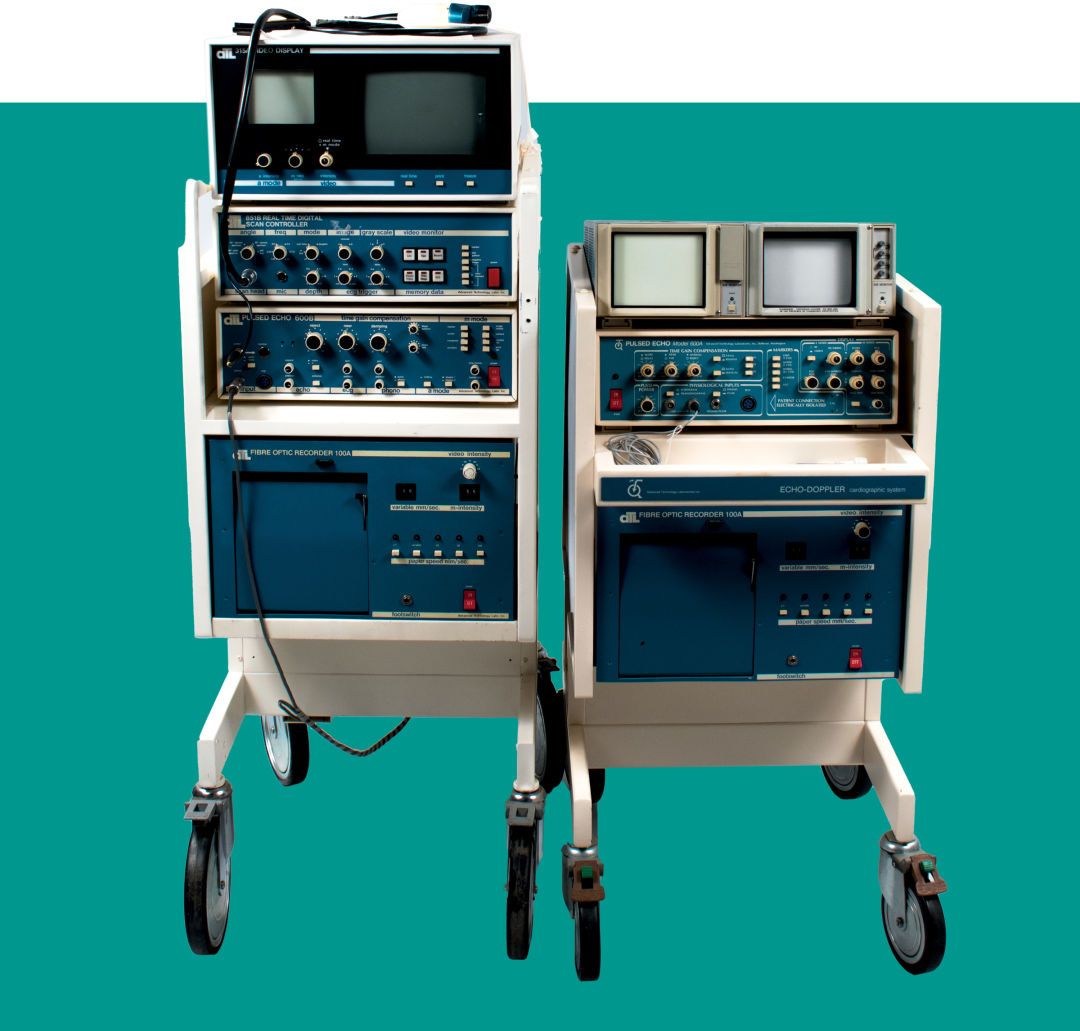
The original doppler ultrasound tech has roots right here in Seattle.
Image: Courtesy MOHAI
Passive Vaccine Storage Device
What Bill Gates dubbed the “keg of life” is a 2012 creation with Intellectual Ventures. It can keep a 6,000-person supply of vaccines refrigerated without power for more than a month—vital in less-developed locales.
Single-Handle Faucet
Scalded hands inspired a UW student to design a fixture in post–World War II homes. Alfred Moen’s twisting adjustment controlled water temperature and turned Moen Inc. into a plumbing power. Handwashing’s never been the same since.
Direct Current Defibrillator
Cardiovascular surgeon Dr. Karl William Edmark resuscitated once-unreliable defibrillators in the early ’60s with a safer, more effective version. Offshoots of his Redmond creation still save lives today.
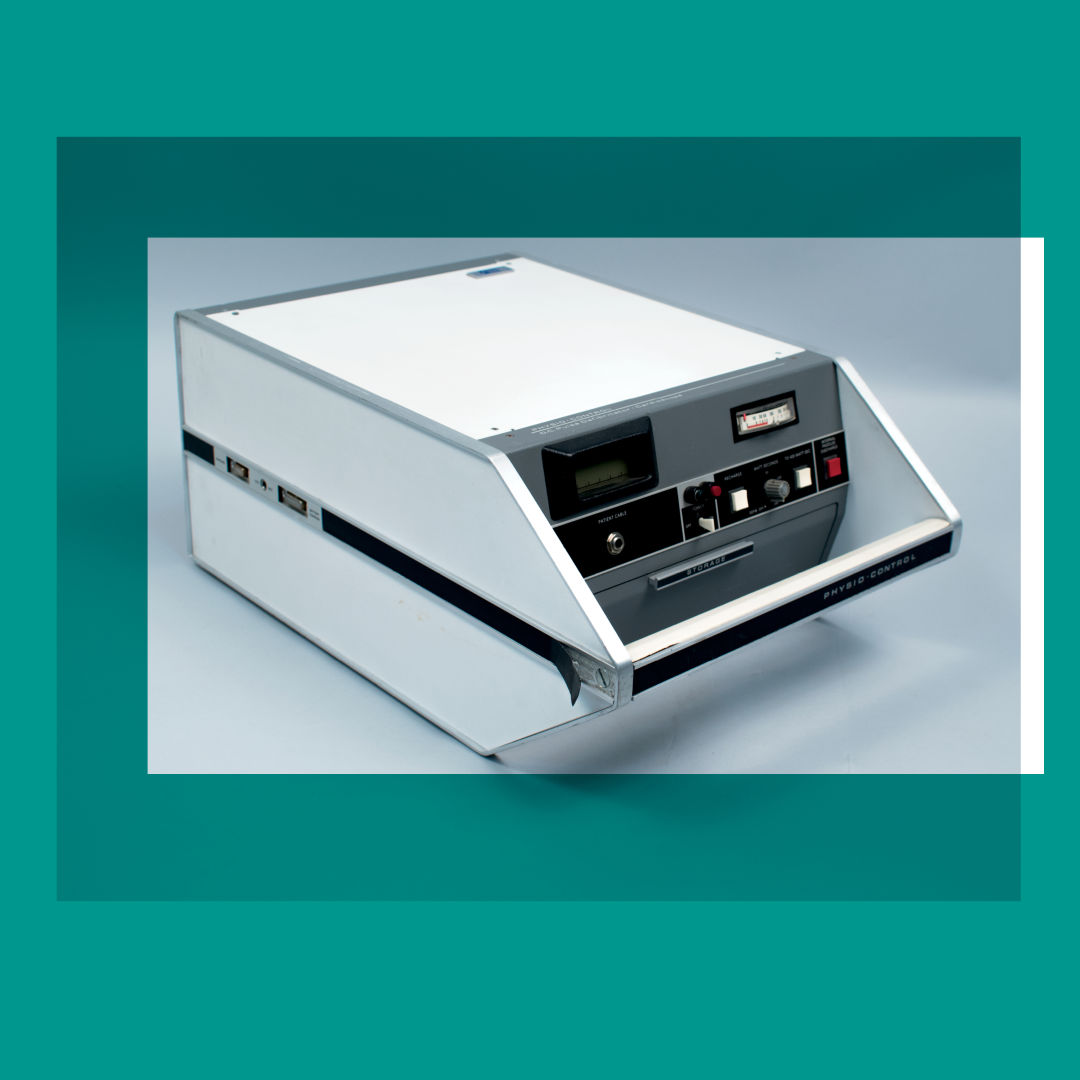
The invention of the direct current defibrillator was a game-changer for saving lives.
Image: Courtesy MOHAI
The Seattle Foot
Clunky prosthetics once limited the physical activities of lower-limb amputees until UW orthopedic professor Ernest Burgess’s 1985 creation added a spring back into their steps.
Scribner Shunt
Kidney dialysis used to be a temporary cure that permanently damaged patients’ veins. A middle-of-the-night revelation led UW School of Medicine’s Dr. Belding Scribner to design a Teflon shunt in 1960, allowing ongoing administration of the lifesaving treatment.
Sonicare
David Giuliani’s invention revolutionized oral hygiene. But his enduring legacy goes well beyond pearly whites.