Can Seattle Still Be the Creative Hub It Wants to Be?

Image: Seattle Met Composite and Pixel-Shot/shutterstock.com
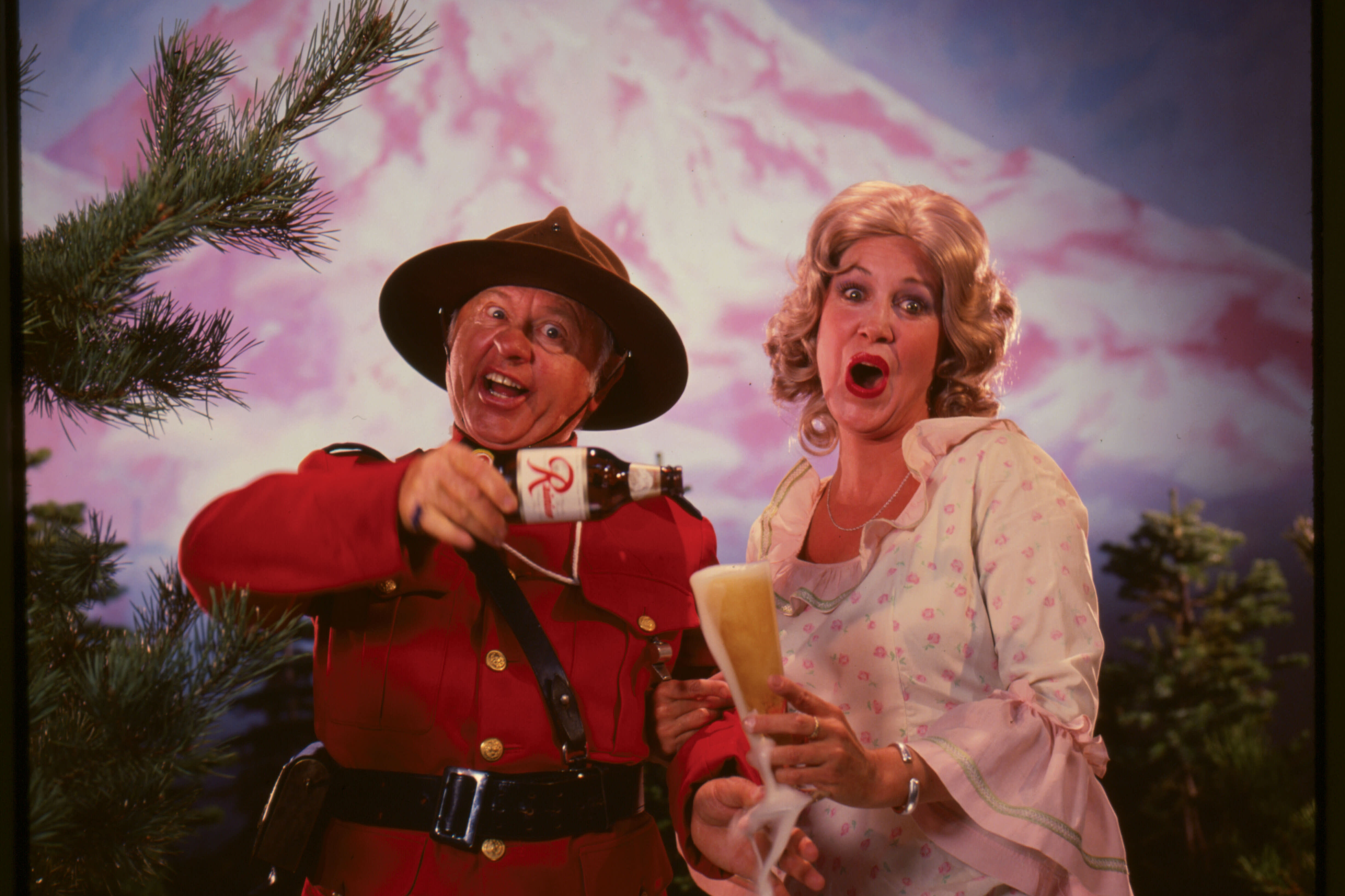
We love to think of ourselves as a creative city—home of Jimi Hendrix, Quincy Jones, and the “Seattle Sound” that came to be known as Grunge. This is a place where people used to get genuinely excited about a Tom Skerritt sighting. Not to mention all of the theater, visual arts, and poetry that we claim to appreciate, even if some of that appreciation is theoretical.
But when it comes to actual funding or holding space for artists and the creative process, Seattle peels back its artsy face to reveal the data-fueled, corporate machinery controlling our civic being.
A major theme in my book Supersonic is the tension between a qualitative and quantitative understanding of existence, embodied by the ongoing battle between STEM and arts priorities in education and, more specifically, in the decline of school music programs. Somehow, even as Seattle’s economy mushroomed in the last decades, arts programs still managed to wind up on the endangered species list.
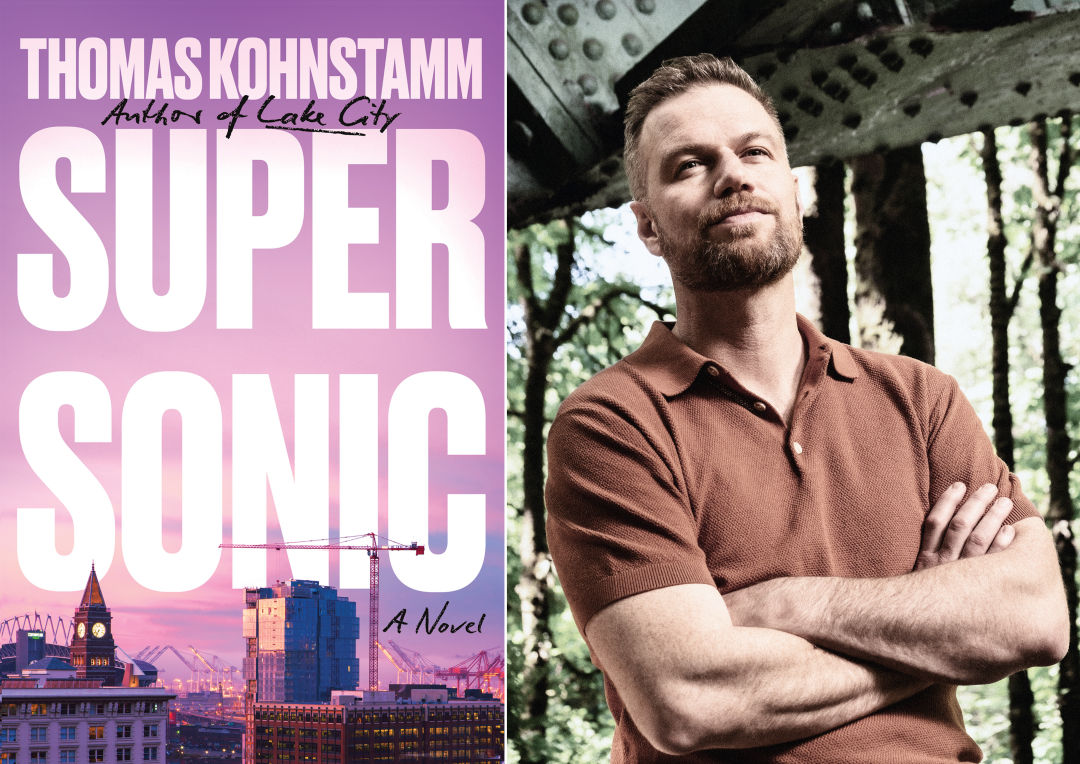
In Supersonic, this dynamic unfolds across families and neighborhoods. It’s the push/pull between the beauty and truth we hope we can deliver to the world through art versus the money we’re fairly certain we can deliver to ourselves through technology and engineering.
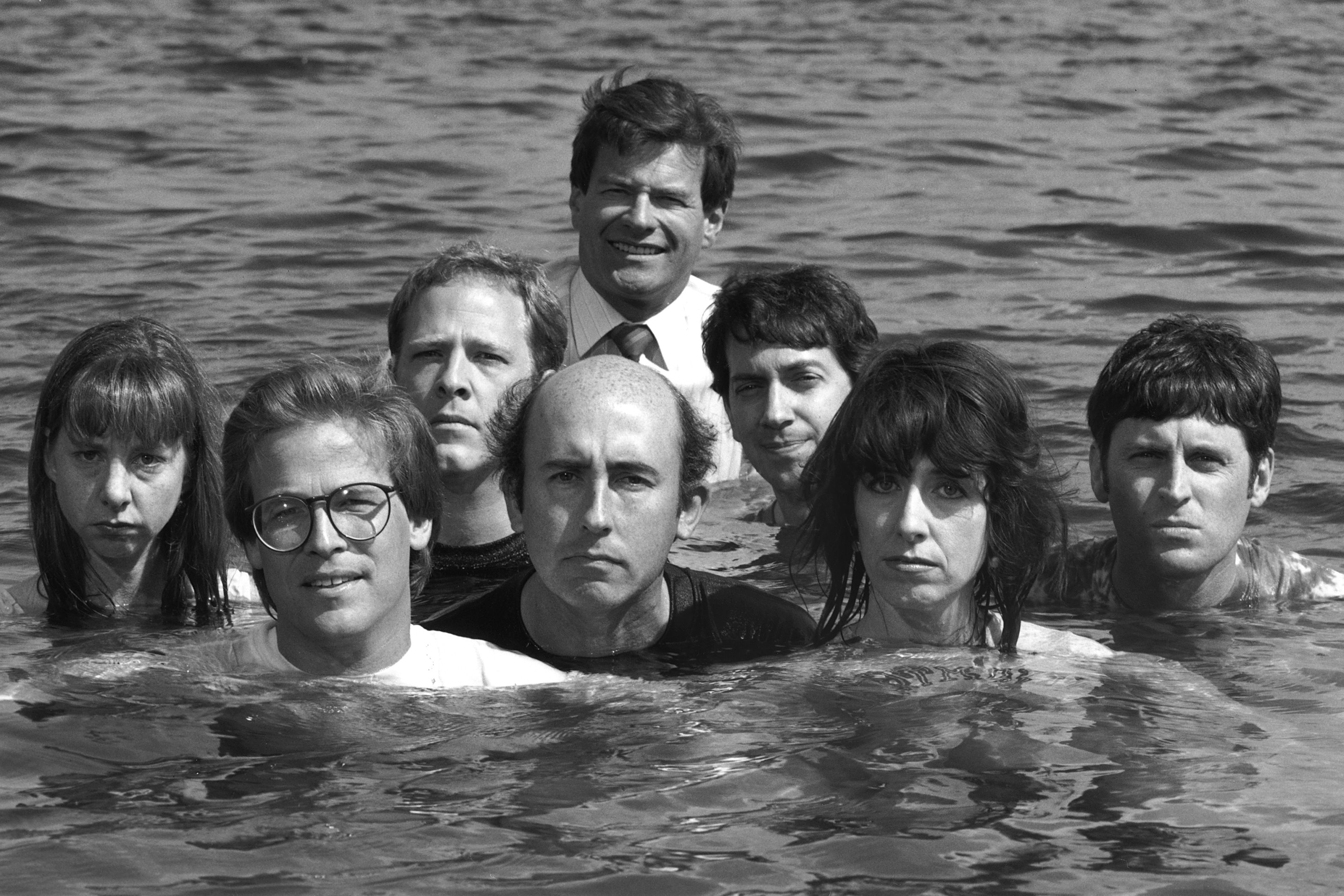
At a recent reading for my book, a Seattle comedian who hosted an iconic, local sketch comedy TV show from 1984 to 1999, pressed me on what has been the best 10 years in Seattle history.
I believe novelists should explore questions—not try to deliver hard answers—especially when it comes to something as pat as the 10 best years. When I prevaricated, he called me out for “The most Seattle answer ever.” I also don’t think he liked it when I joked that his perceived top 10 years (from the mid-1980s through mid-’90s) was suspiciously close to the run of his show.
Local Books
Seattle Met Book Club
May 20, 5pm at University Book Store
Join the Seattle Met book club in person for a conversation with author Thomas Kohnstamm.
I still don’t agree that there is or was any specific pinnacle in Seattle history. But, upon further reflection, I do think his suggested period was one of the best for creativity. And that was probably because—see: I’m going to attempt an answer here, anyway—the city was cheap enough to make art in. After the Boeing Bust, the economy was on its heels, and while it started growing rapidly in the late ’80s and creating new opportunities and cultural dynamism in the early ’90s, prices hadn’t yet caught up and forced out alternative culture, the eccentrics and the dreamers. In many ways, that early ’90s period memorialized on all sorts of Pearl Jam hats, Nirvana posters, and other tourist tchotchkes at Sea-Tac, was the momentary maturation (and then near immediate falling-off) of a historical fluke.
Now it just doesn’t make a lot of financial sense to rent a house to a bunch of struggling artists when it can be sold to folks with direct deposit and stock options.
So, who are we now and who do we want to be in the future? A creative city or a city that consumes the creativity of others? That’s for all of us to decide (and keep deciding) as we move forward.