
Up and Down Aurora Avenue
It began as a military wagon trail, later the Pacific Highway then U.S. Highway 99—a river of smooth, tire-friendly concrete designed for a bright new era when the automobile would take us everywhere.
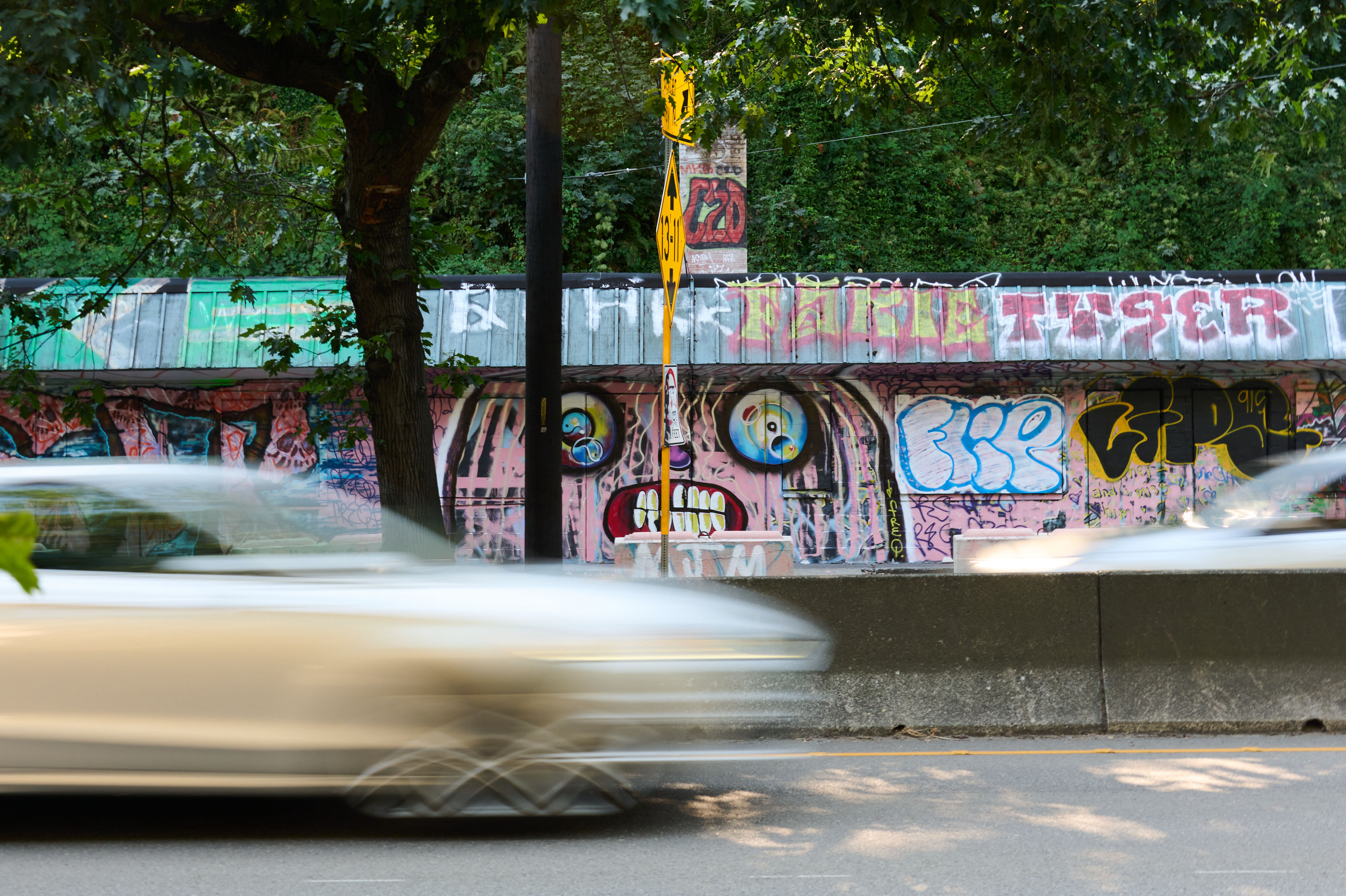
Today, more than 32,000 cars and 10,000 bus passengers course through the lanes we know as Aurora Avenue North. Pedestrians pick their way through blocks with no sidewalks, often so close to passing traffic they feel its whoosh on their skin. Sex workers stand on the side of the road morning and night, visible to commuters, yet often unseen in terms of their human rights. Technically Aurora Avenue is a slice of modern-day State Route 99, beginning near the north portal of the SR 99 Tunnel and retiring in Shoreline. The 7.6-mile Seattle portion is a major route in, out of, and through the north end.
Consider it the civic version of rings inside a tree stump. With its throwback motels and soaring bridge over the ship canal, Aurora reveals the city as it once was. It also displays our greatest challenges: traffic deaths, crime, a massive need for housing. It’s a reminder of how hard it is for cities to balance competing priorities; how easy it is for large-scale change to get mired in process.
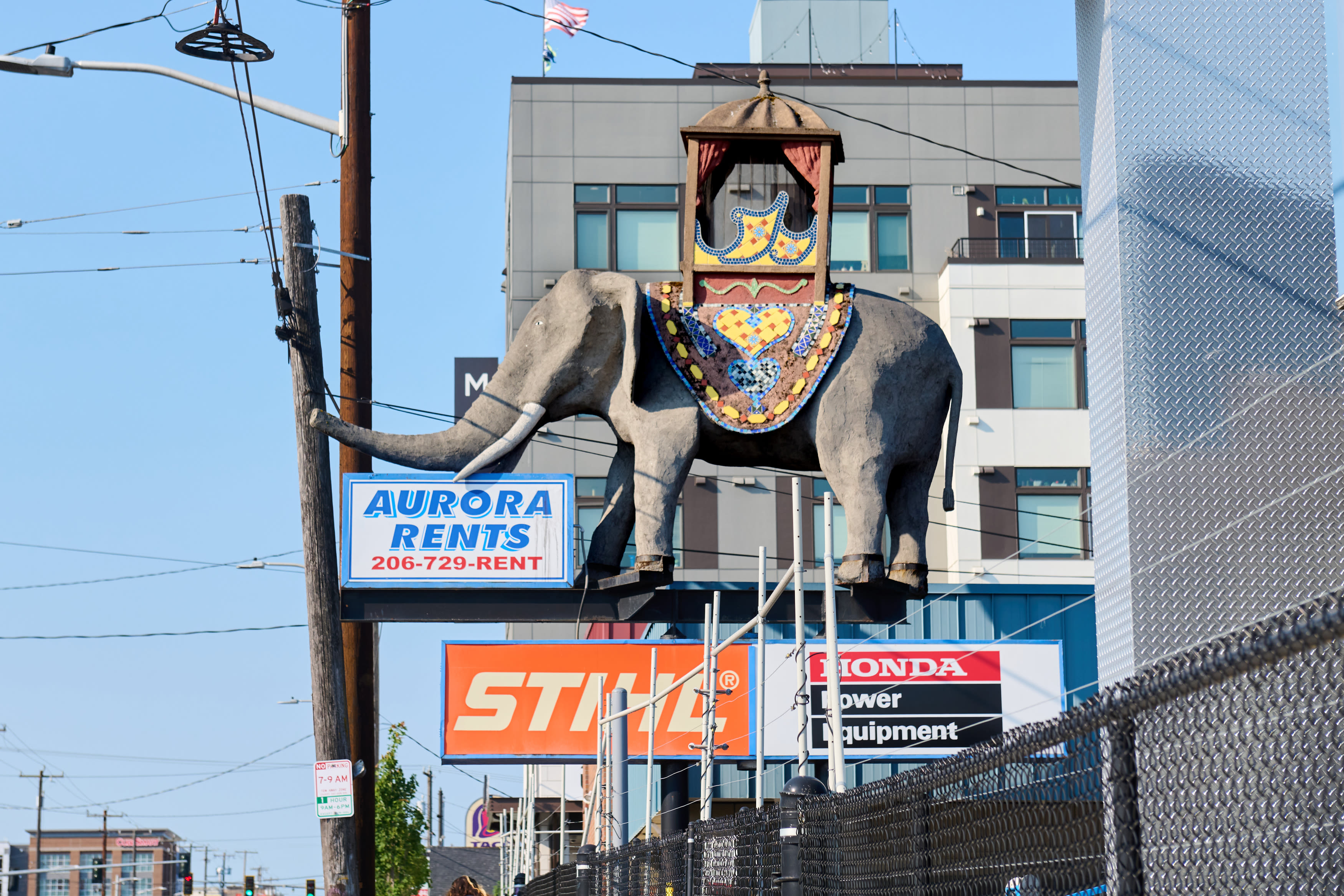
But the avenue is also home to immigrant businesses, from doughnuts to grocers to truly great Thai food. Not to mention a host of quirks that give texture to our city. Like the random giant stucco elephant, a roadside advertisement (most recently for a party rental company) that doubles as an unofficial landmark. Or the driving range and exotic bird clinic that cling to their Aurora storefronts in the face of time and economics.
The road has become a symbol of our problems, and of our tendency to try to shunt those problems off to the side and make them as invisible as possible. But figuring out how to fix Aurora—and then actually doing it—could unlock a host of answers that stretch beyond its six lanes. And save a host of lives. It’s easy to disparage Aurora, but these stories examine its origin, and its present, in hopes we can secure its future.

Image: Chona Kasinger
An Elephant Never Forgotten
How Aurora Got One of Its Iconic Roadside Landmarks. By Eric Nusbaum

Image: Chona Kasinger
Why Seattle's Sex Trafficking Epicenter Has "Blown Up" Recently
Survivors are leading belated efforts to advocate for victims. By Benjamin Cassidy

Image: Chona Kasinger
A Thriving Restaurant District Hides in Plain Sight
Tucked between fast-food joints, first-time business owners offer vibrant menus. By Allecia Vermillion
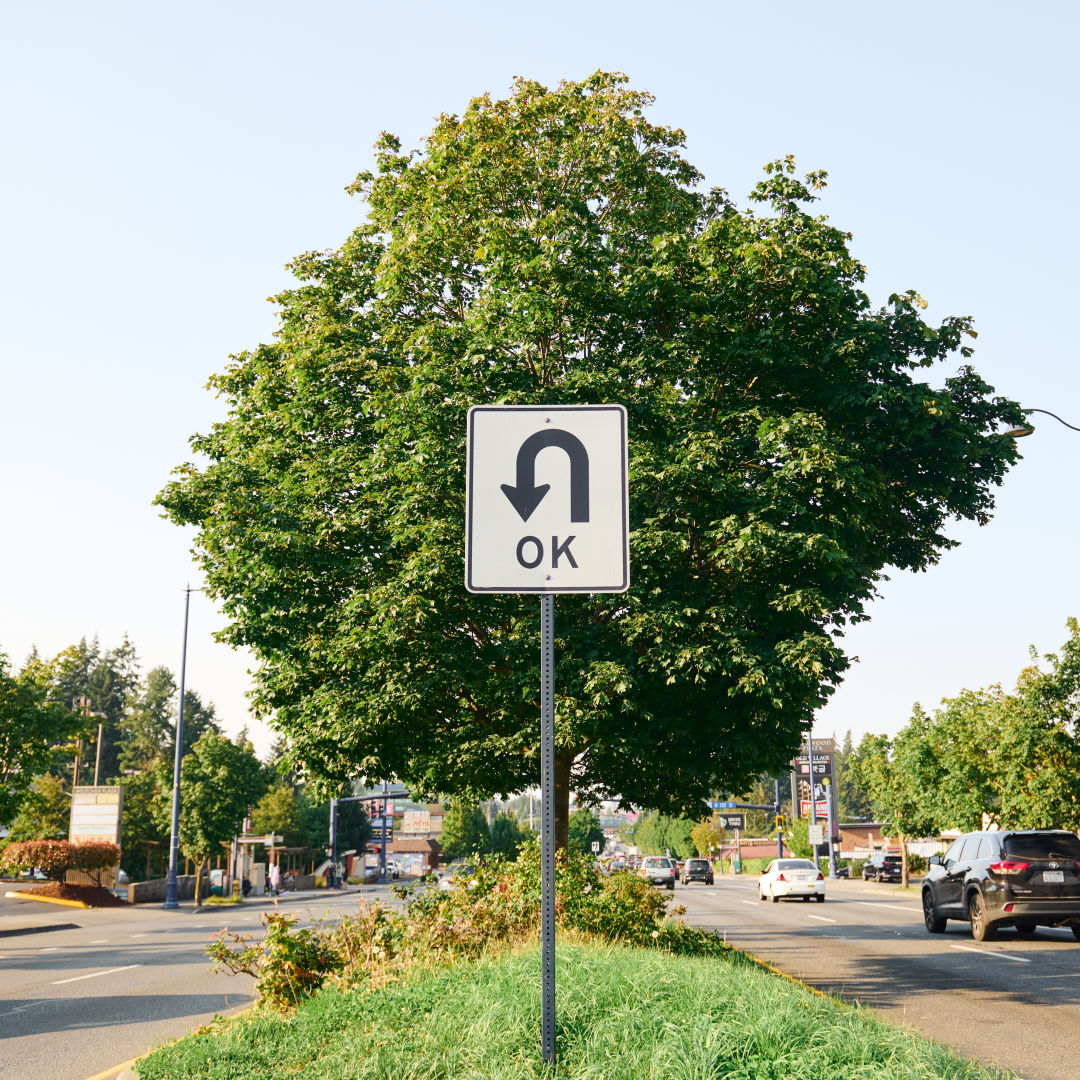
Image: Chona Kasinger
To Aurora, With Love
State Route 99 is often written off as dangerous. But it's become one writer's cherished pace for family bonding and self-reflection.
By Angela Cabotaje
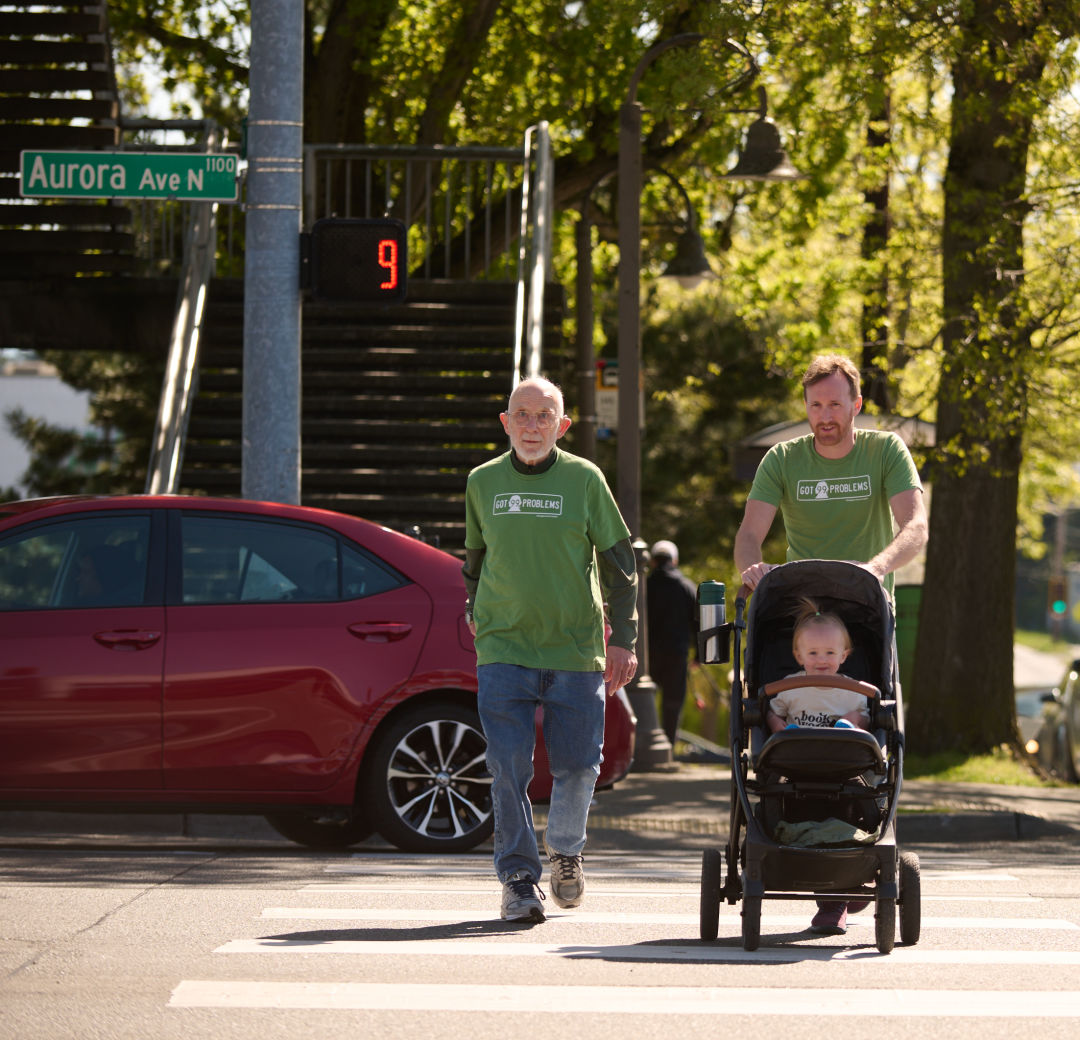
Image: Chona Kasinger
Can We Finally Fix 99's Problems?
Aurora Avenue could really, truly, actually, maybe get better. By Allecia Vermillion
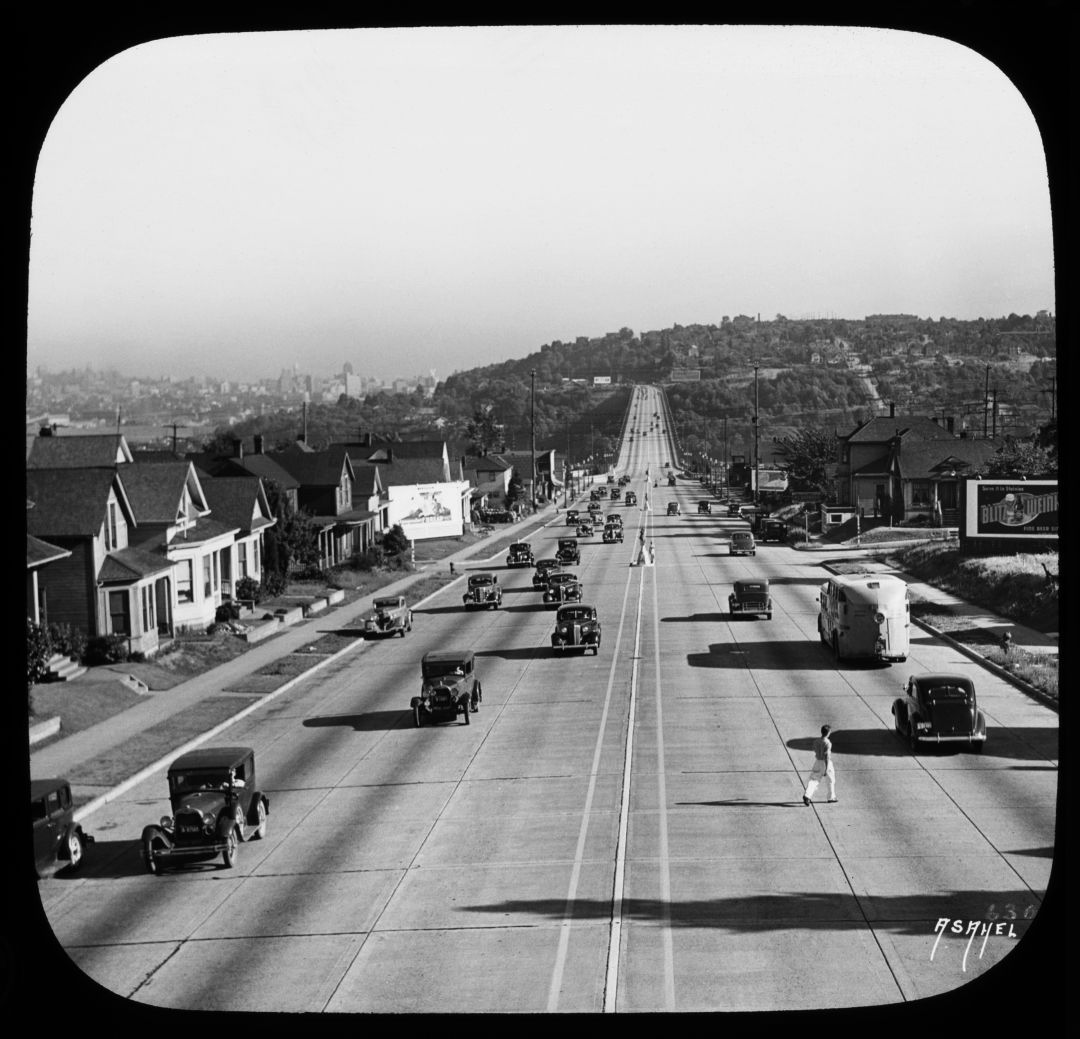
Image: Coutesy MOHAI
Photo Essay: Aurora Across the Decades
From Car-less to Canlis. By Allecia Vermillion and Chona Kasinger
Credits
Editorial Direction: Eric Nusbaum, Allecia Vermillion
Art Direction, Photo Research: Jane Sherman
Contributors: Angela Cabotaje, Benjamin Cassidy
Copy Editing: Sarah Nipper
Fact Checking: Spencer Brown, Taylor Gerlach
Up and Down Aurora
How an Immigrant Craftsman Gave Us the Aurora Elephant
Up and Down Aurora
Why Sex Trafficking Persists on Aurora

Up and Down Aurora
A Restaurant District That Hides in Plain Sight

Up and Down Aurora