Is It Time to Give Up the Campfire?
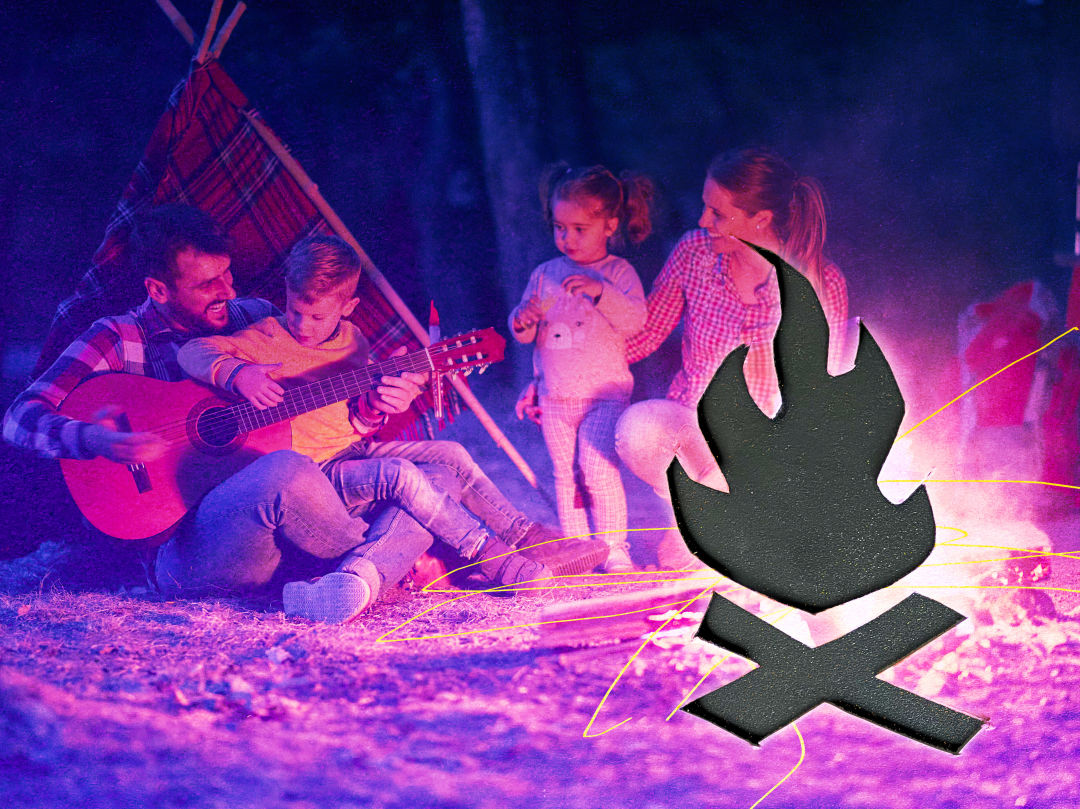
There are a lot of things we don't do anymore. We don't smoke in restaurants or look up things in the Yellow Pages, call people collect or make physical mixtapes. And one summer tradition seems headed for that list of future Buzzfeed nostalgia listicles: lighting a campfire when you go camping.
On July 10, Washington's Department of Natural Resources announced a burn ban on all the lands it manages, including campfires. By mid-July, the national forests in Washington started instituting limits. Haven't had a summer s'more yet? You may have missed your chance.
Fire bans are nothing new; as far back as the 1800s, the national parks have tried to suppress wildfires in their borders. Restrictions on lighting a personal blaze—usually for weeks or months—be it a campfire or bonfire, have long been used to curtail out-of-control incidents. Some bans cover counties or types of lands, like state or federal forests, while bad fire years can see blanket statewide rules.
On the drippy, moss-soaked side of the Cascades, destructive flames long seemed like a faraway problem. But in recent years statewide burn bans have been issued earlier and earlier, when summer camping trips and outdoor hangouts have barely begun. No one can dismiss the devastating power of wildfires; highways close and residents are evacuated, firefighters are put in danger and, in the worst cases, people die. Can we blame it all on the cozy little flames we gather around while someone tells a ghost story or noodles "Rainbow Connection" on a guitar?
Kind of. In 2017, a University of Colorado study in the Proceedings of the National Academy of Sciences determined that humans caused 84 percent of the country's wildfires. Humans: hi, we're the problem, it's us. But that huge slice is actually broken down into subcategories like debris burning, equipment use, and arson. Campfires, according to the report, account for just 5 percent of human-started blazes.
But in its 2023 numbers, DNR reported that 10 percent of the state's west side wildfires were linked to recreation or ceremony (which doesn't include fireworks, a big culprit). Given that DNR's 2023 numbers include a giant slice—38 percent—for which the wildfire cause is undetermined, there's a chance that number is really much higher. And in 2022, the Washington Post said the US Forest Service attributed 30 percent of fires on their land to campfires.
The upshot: it's not just the s'mores, but they're a sticky and serious part of the puzzle. Courtney James, communications manager at DNR, notes, "If a burn ban prevents even one wildfire from starting and spreading, then it’s a helpful tool." She points that it only takes one ember, caught on the wind or improperly doused, to endanger wildlife, campers, residents, and firefighters.
So back to the issue at hand: are we ready to call campfires kaput?
It does hurt. The practice has long been a staple of my car camping trips, back to when we dried our wet socks around the campfire at Mount Rainier National Park in the 1980s. I know that smoke gets in your eyes, as the song goes, but wisps of campfire smoke also curled into my hair and my tent flaps, settling permanently into my memories and love of sleeping outside. It's weird to sit around nothing at a campsite.
But as fire bans have creeped earlier and earlier, I've found my own workarounds. Propane firepits (Costco has a great one) are often permissible when wood or charcoal aren't allowed; it might not smell as nice, but it'll roast a marshmallow. And shifting the campfire to seasons with less fire danger—think late fall—brings much-needed glow to a dark and damp overnight.
As strange as it might feel to give up the summer staple, it's not just us; everyone is learning how to do without the crackle and pop. Wildfires aren't an over-there problem, they're an everyone problem—smoke doesn't care about staying in drought-ridden counties or even certain countries, so Seattle will continue to be impacted by east side, Oregon, even Canadian and Californian fires as well as the blazes in our own backyard.
This summer we'll all work a little more on letting go of the campfire concept. It might hurt more than realizing that Betamax was never coming back. But maybe there will be a few fewer wildfires across the state because of it—and ghost stories are always scarier in the dark anyway.


