
This Is Boom City
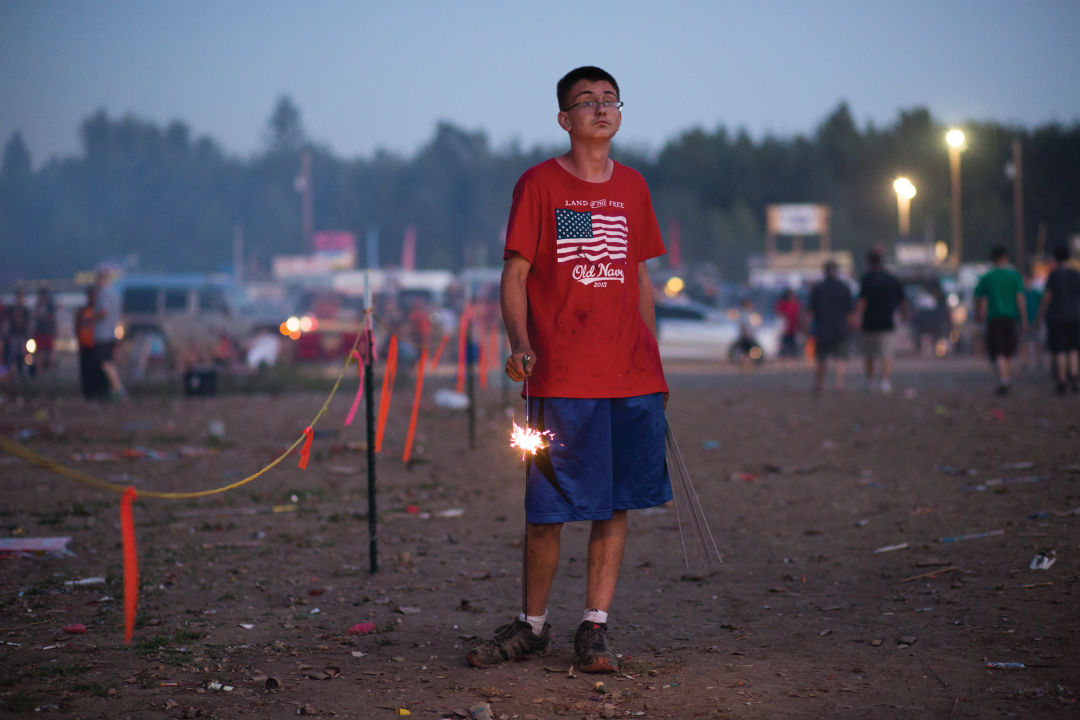
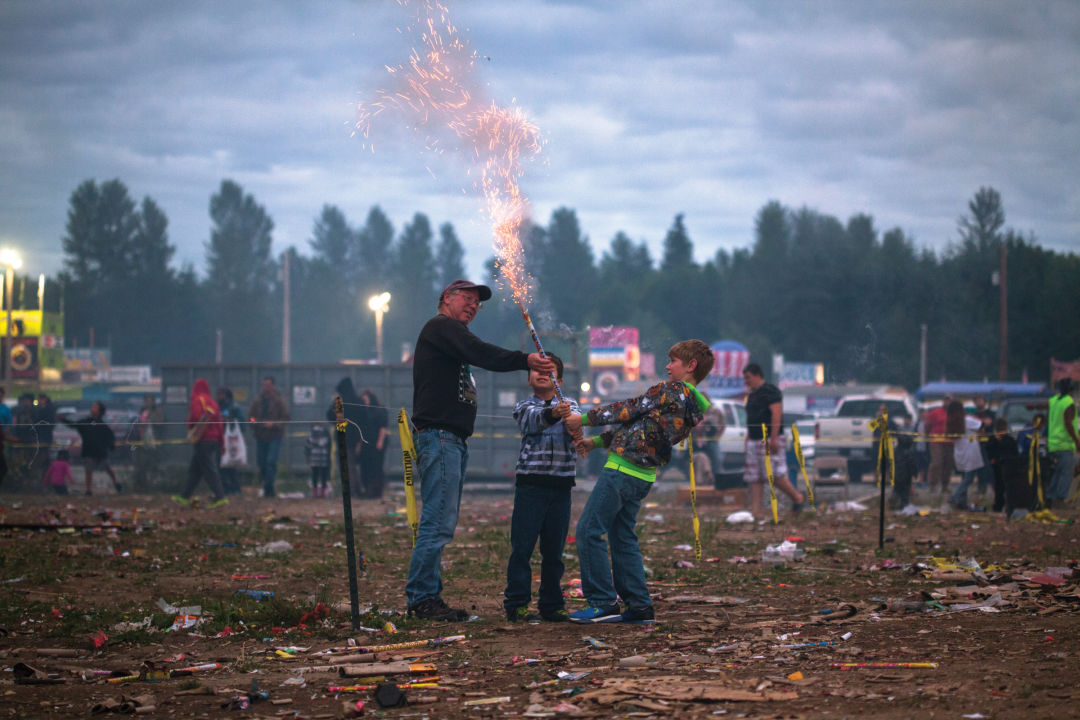
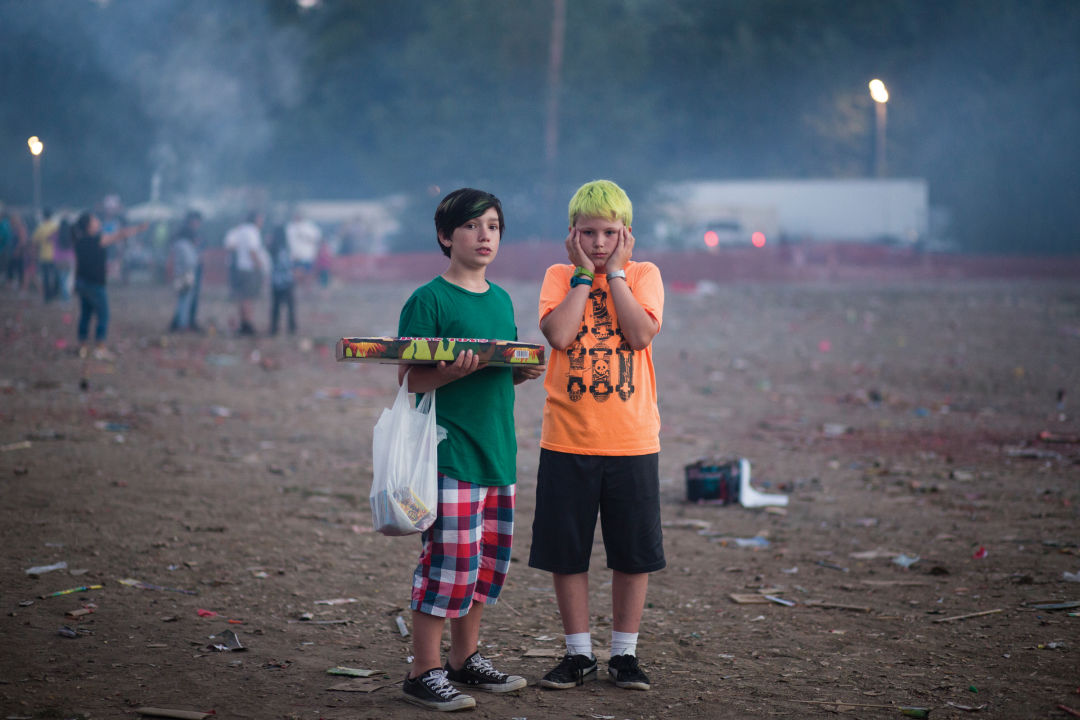
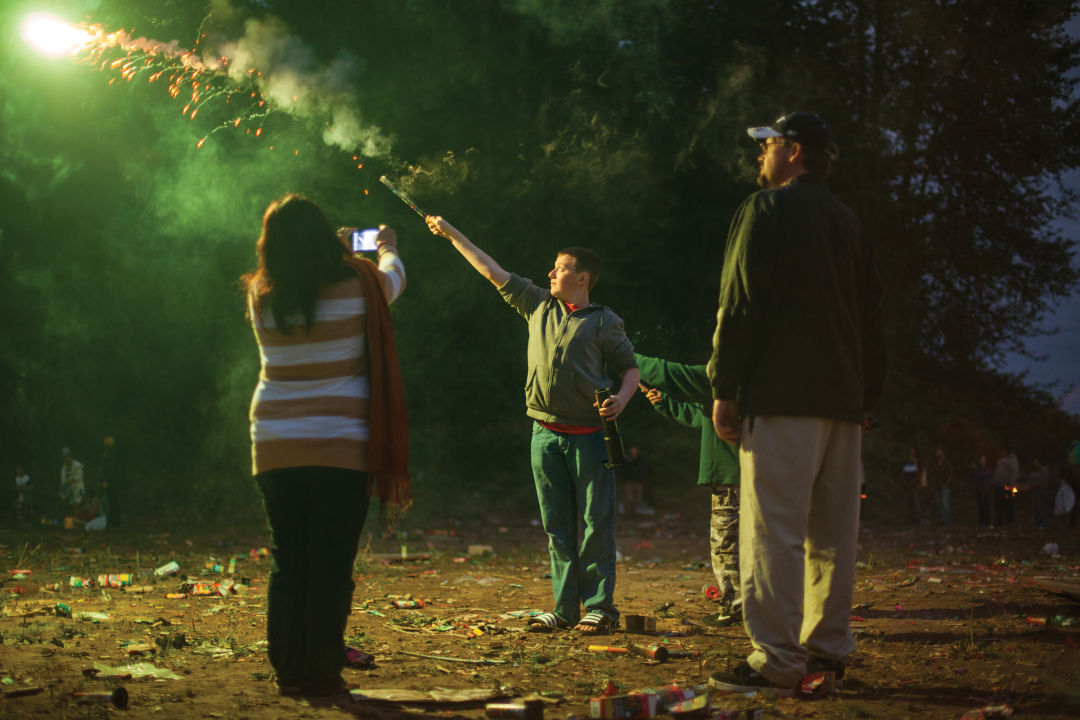
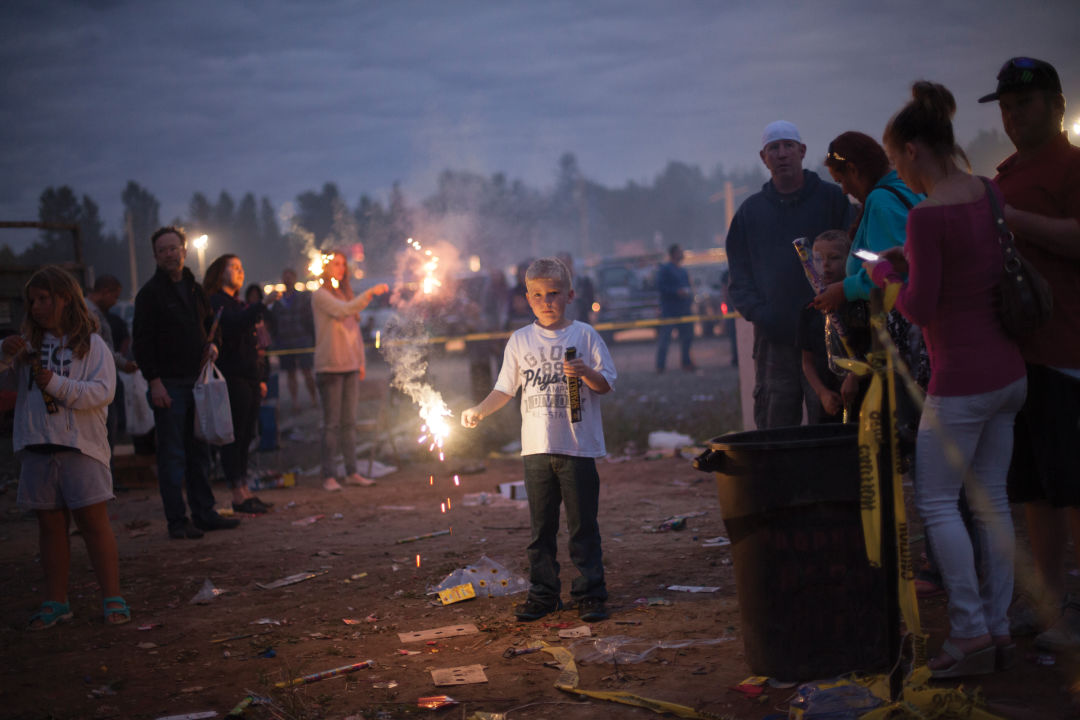
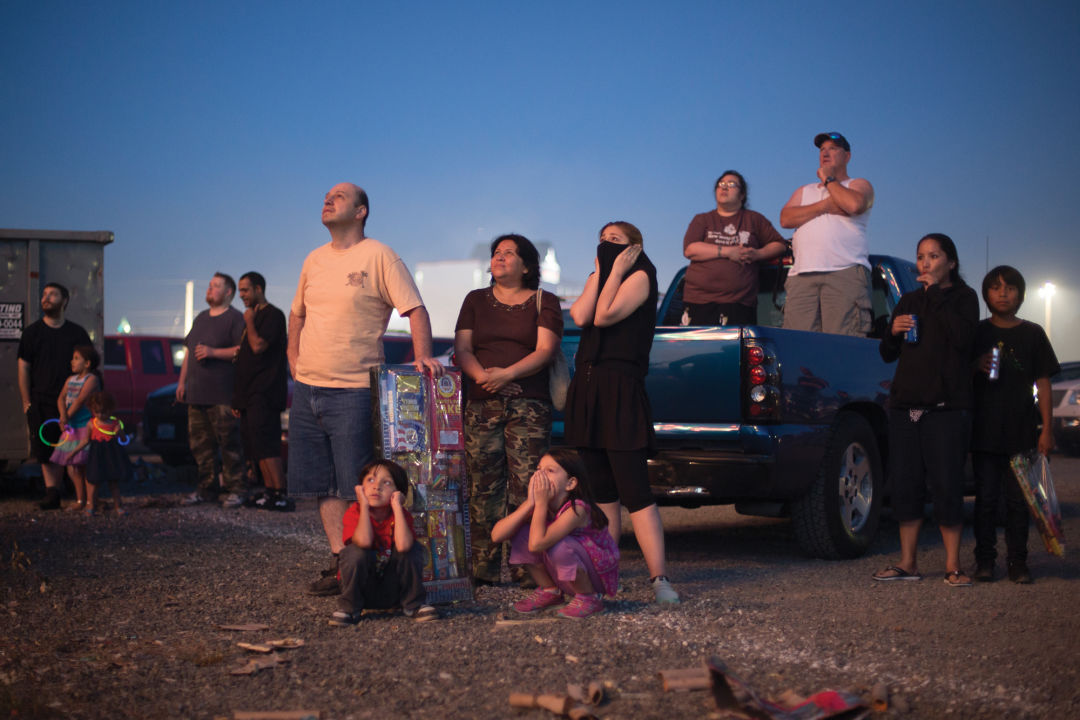
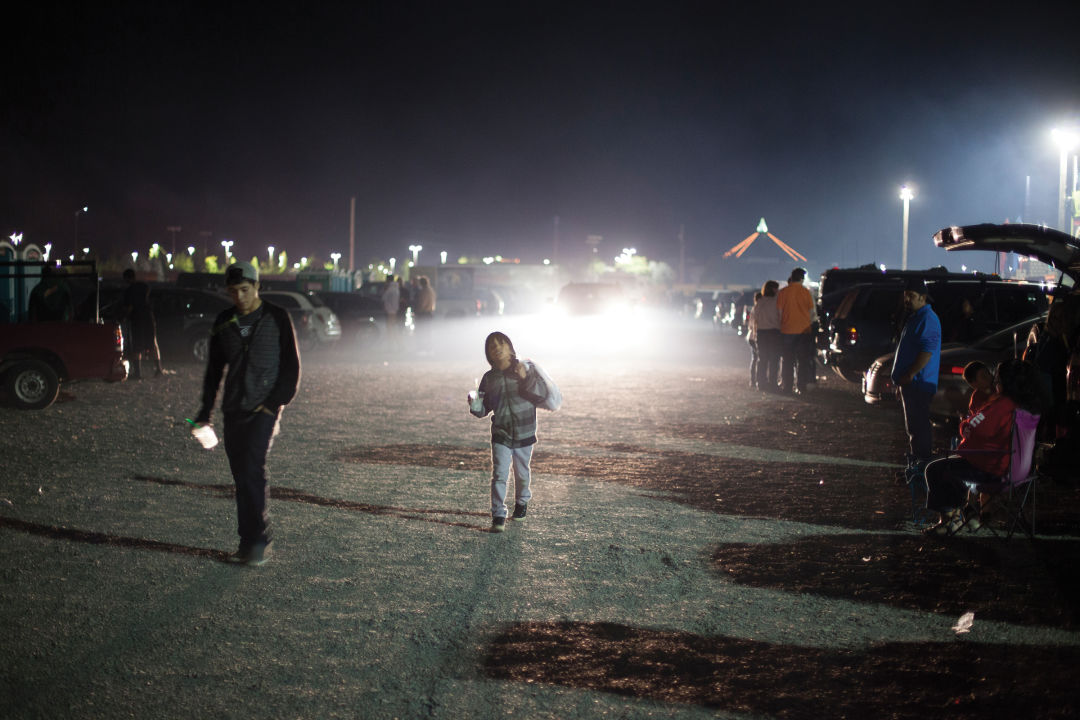
By nightfall they gather in the open field. Gravel crunches underfoot. Fathers stow their newly purchased plunder (whistling chasers, missiles, Roman candles) before the show. The backs of pickup trucks become something akin to the first-tier box at the opera, filled with pint-size patrons of the pyrotechnic arts—the best seats in the house.
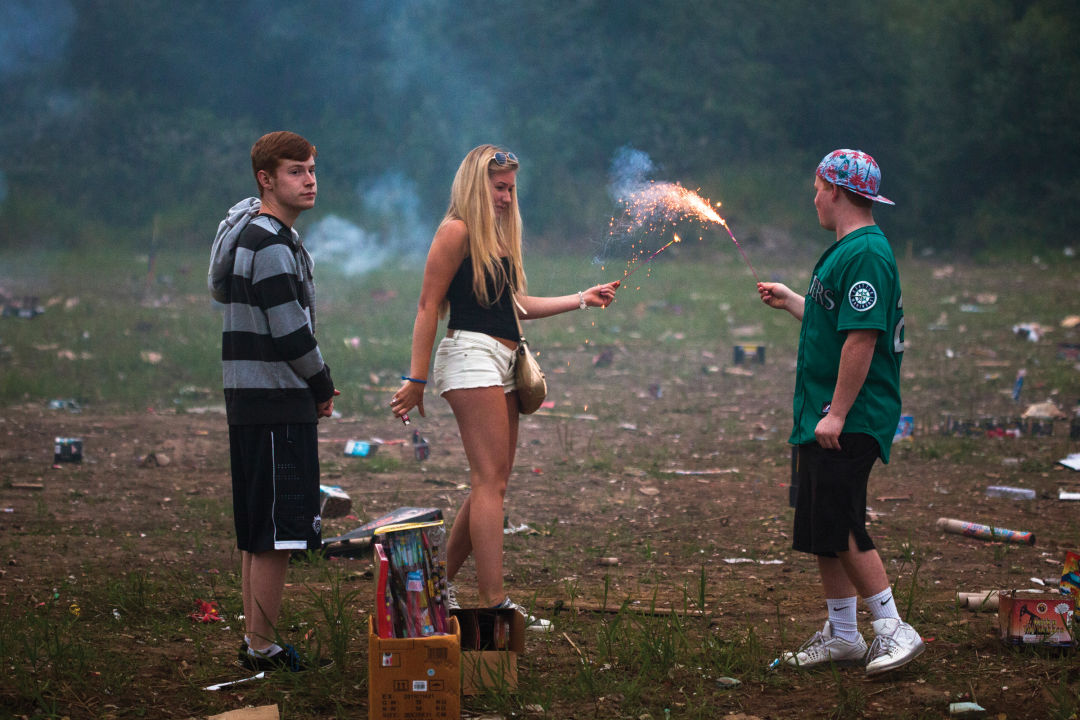
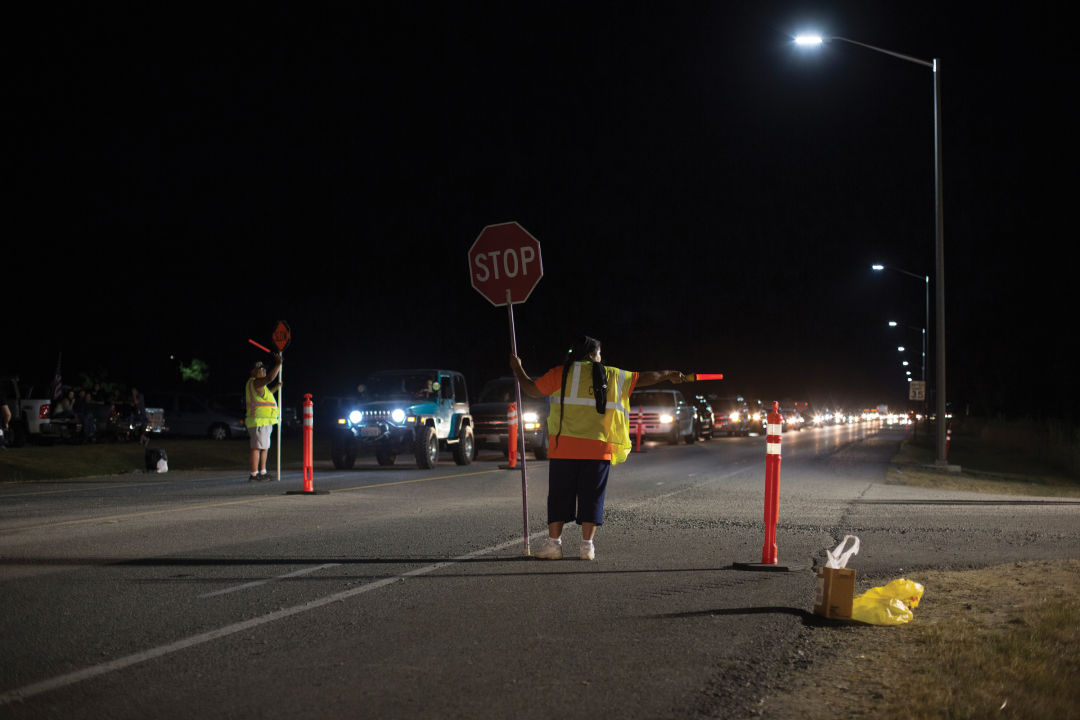
Since the early 1980s, the Tulalip Tribes have turned a lot on the reservation near Marysville into a marketplace for explosives largely illegal in the Evergreen State. In the days leading up to the Fourth of July, the some 140 stalls of Boom City, each owned and operated by tribe members, sell fireworks to outsiders. The long day of retail concludes with a fireworks show to wow spectators and potential customers.
Materializing for two or three weeks a year, Boom City is like Brigadoon, appearing and disappearing and reappearing over time, the outside world bumping along to the hum of history while it alone remains static, unchanged.
Today it’s just as photographer Andrew Waits remembers it. He grew up in nearby Lynnwood and, drawn to the excitement of scoring illicit firecrackers and bottle rockets, visited Boom City every summer as a high schooler. Waits returned as an adult and for the past two years has captured the combustible popup with his lens. —James Ross Gardner
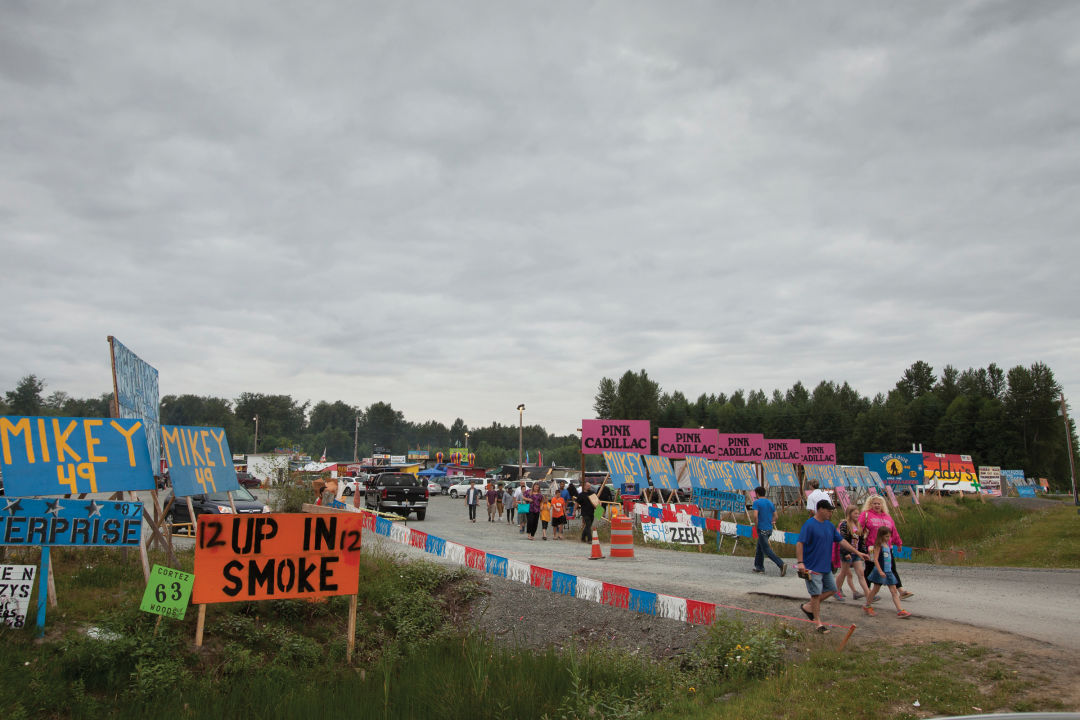
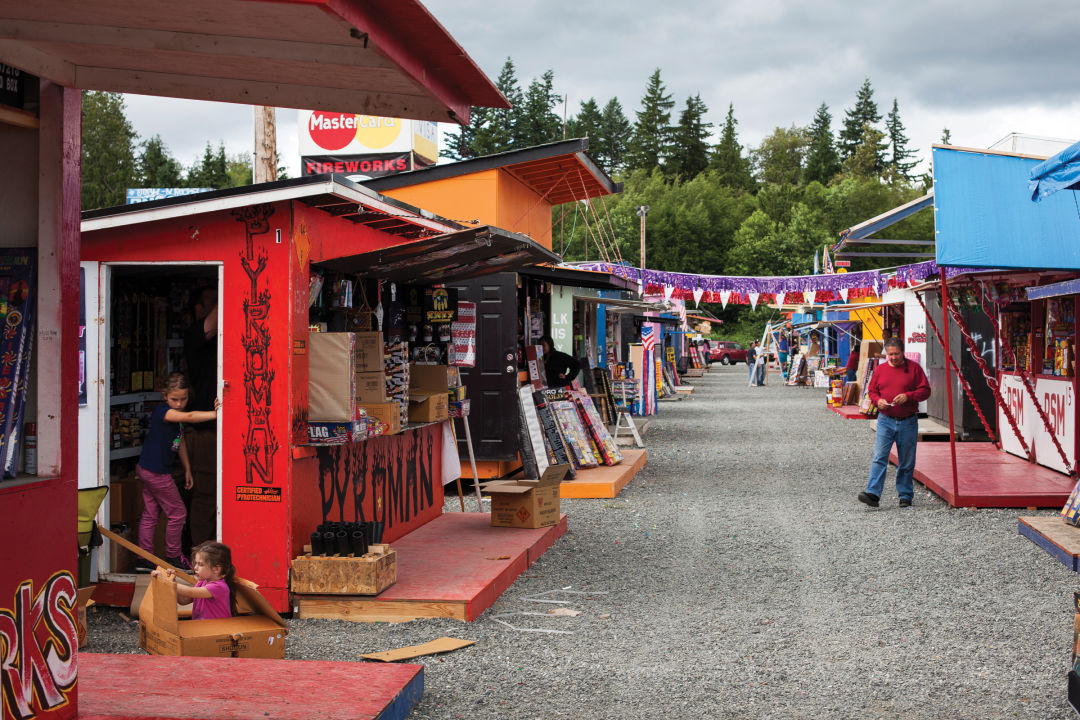
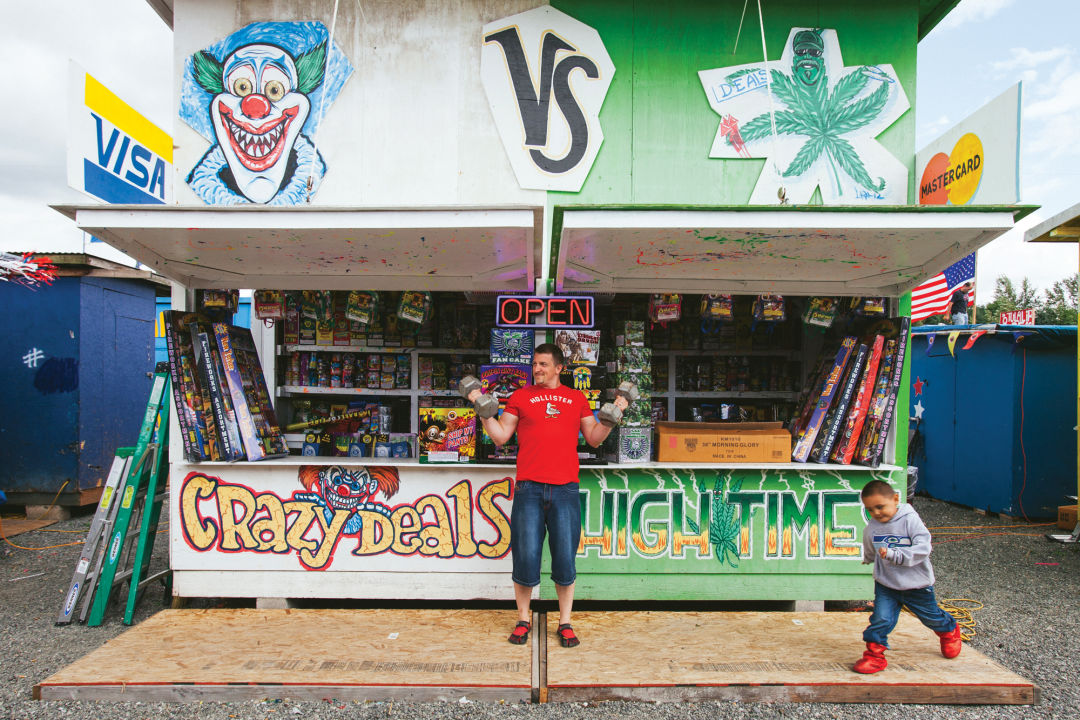
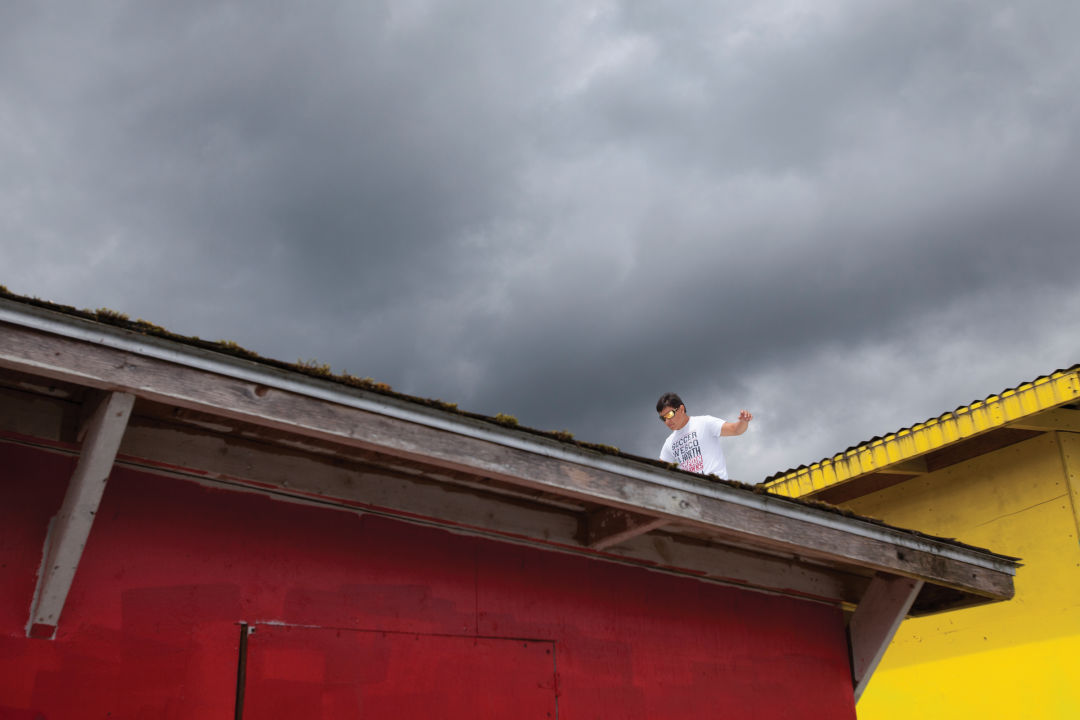
Since the 140 or so stalls often sell the same products, merchandising is a matter of showmanship, with retailers trying to -outdazzle the competition with custom-painted stalls and other antics.
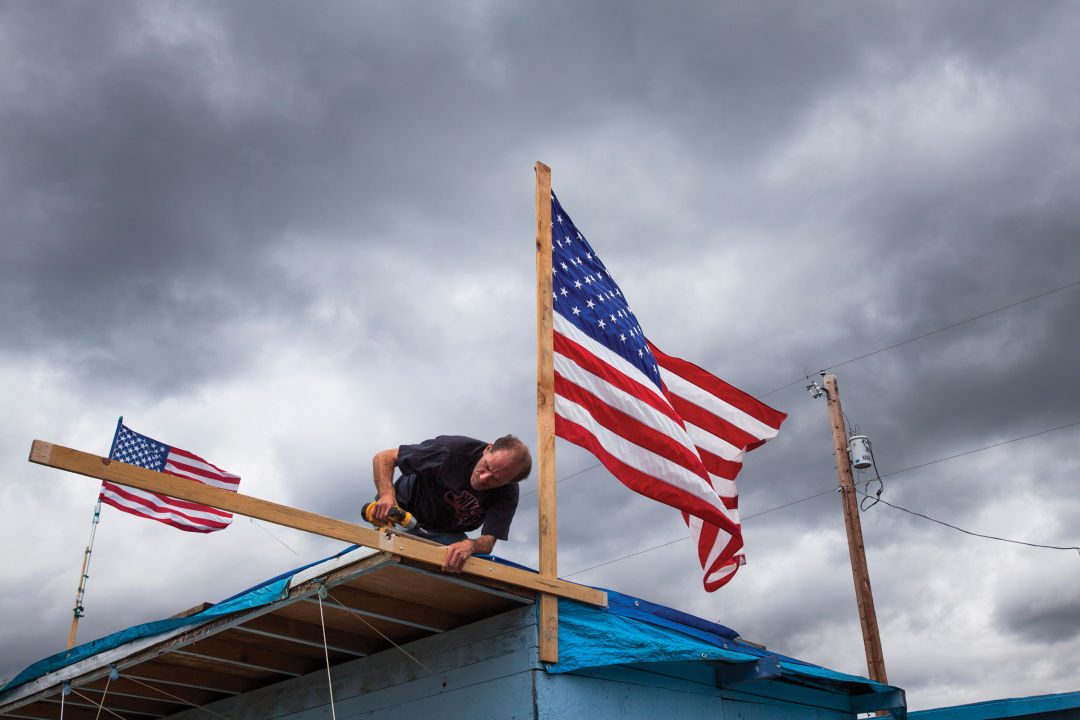
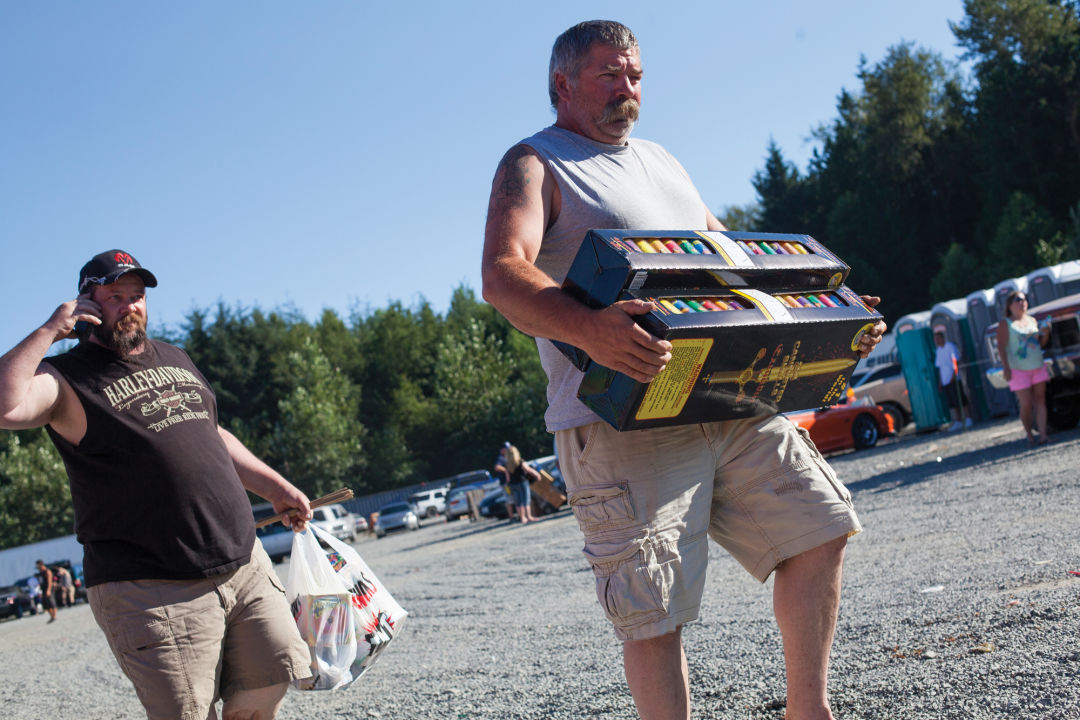
It’s illegal to sell, possess, or detonate firecrackers and skyrockets in Washington state. But on sovereign tribal land, federal rather than state laws apply. A lot of customers, notes photographer Andrew Waits, “are guys who just want to blow shit up.”
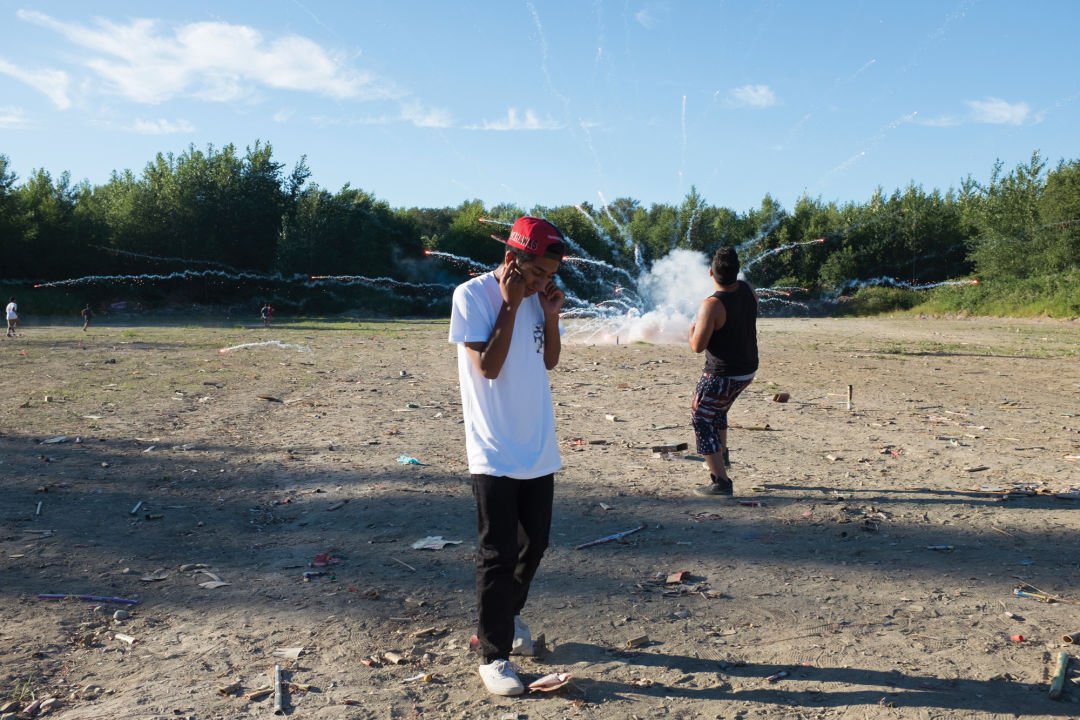
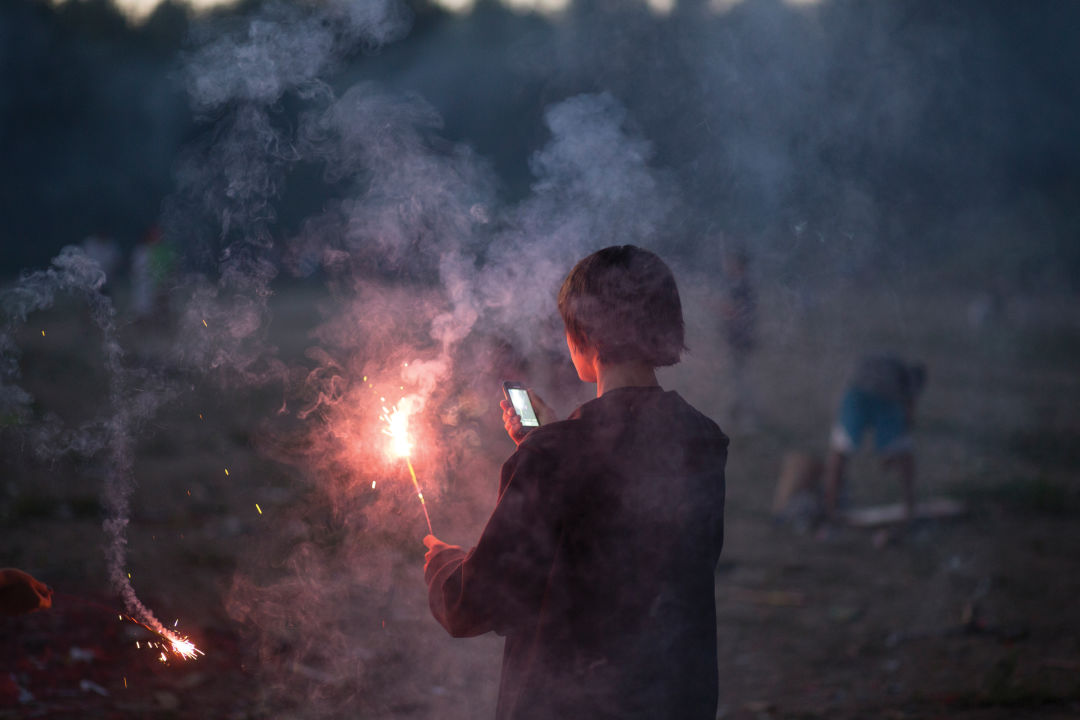
Boom City offers a detonation area to consumers, a place to safely light purchased fireworks that are illegal off the reservation. The tribes douse the surrounding vegetation with water to minimize the threat of wildfires.
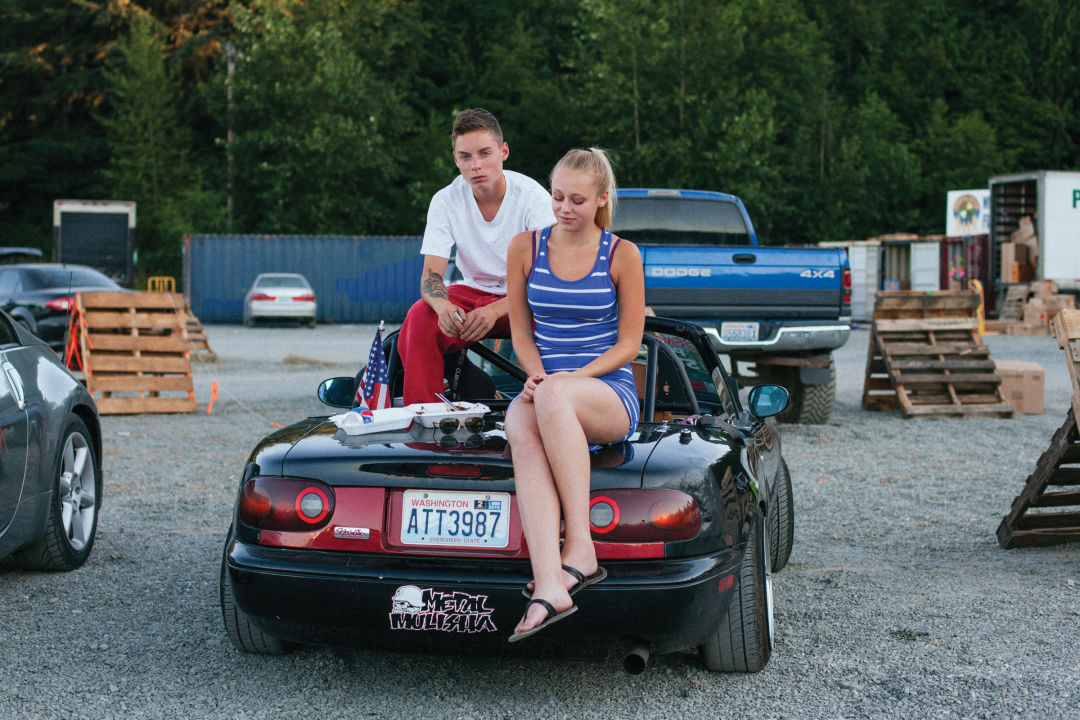

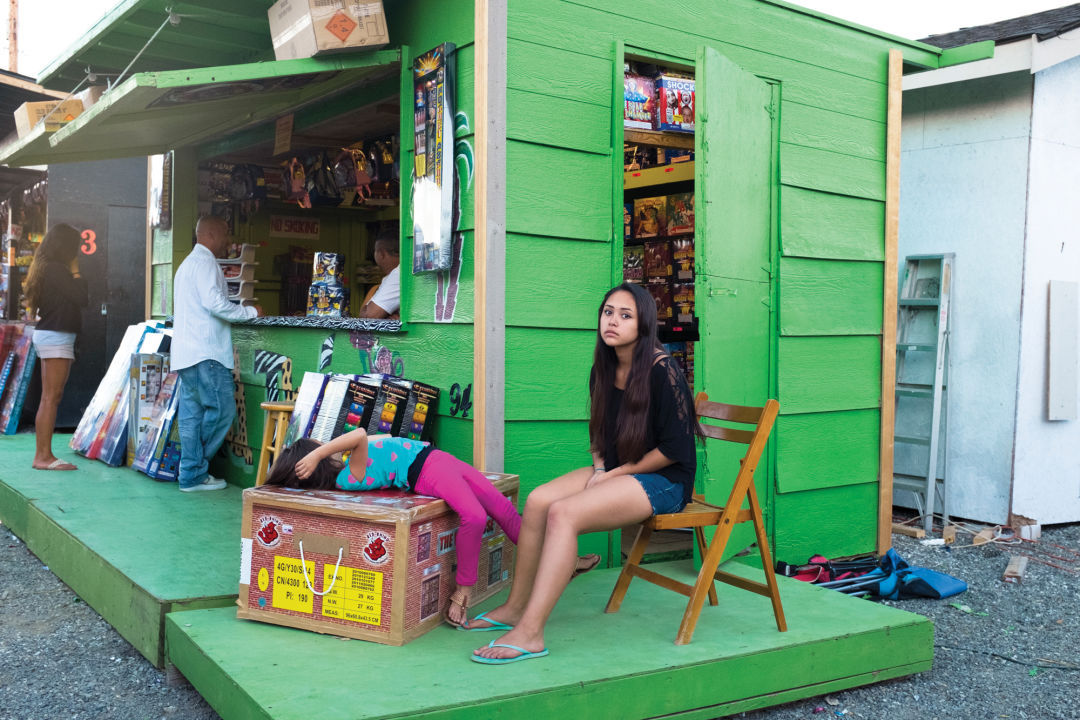
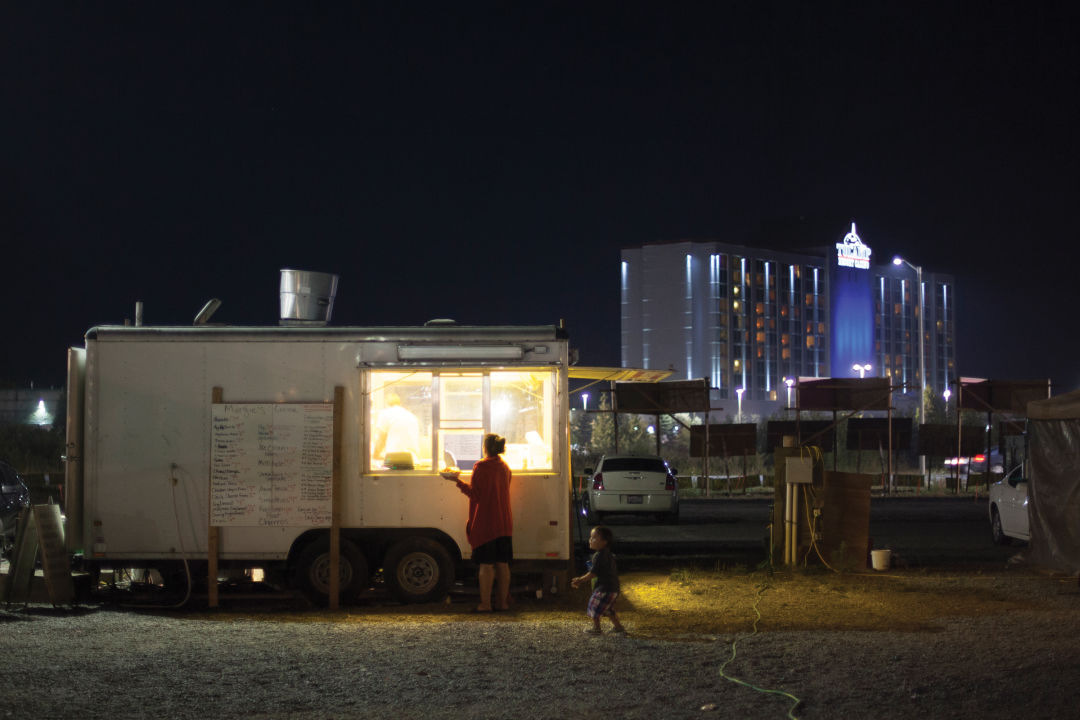
Retail at Boom City is a family affair. All day for two to three weeks, a stall will rotate through kin temping as cashiers and attendants—spouses, cousins, siblings, sons, and daughters.
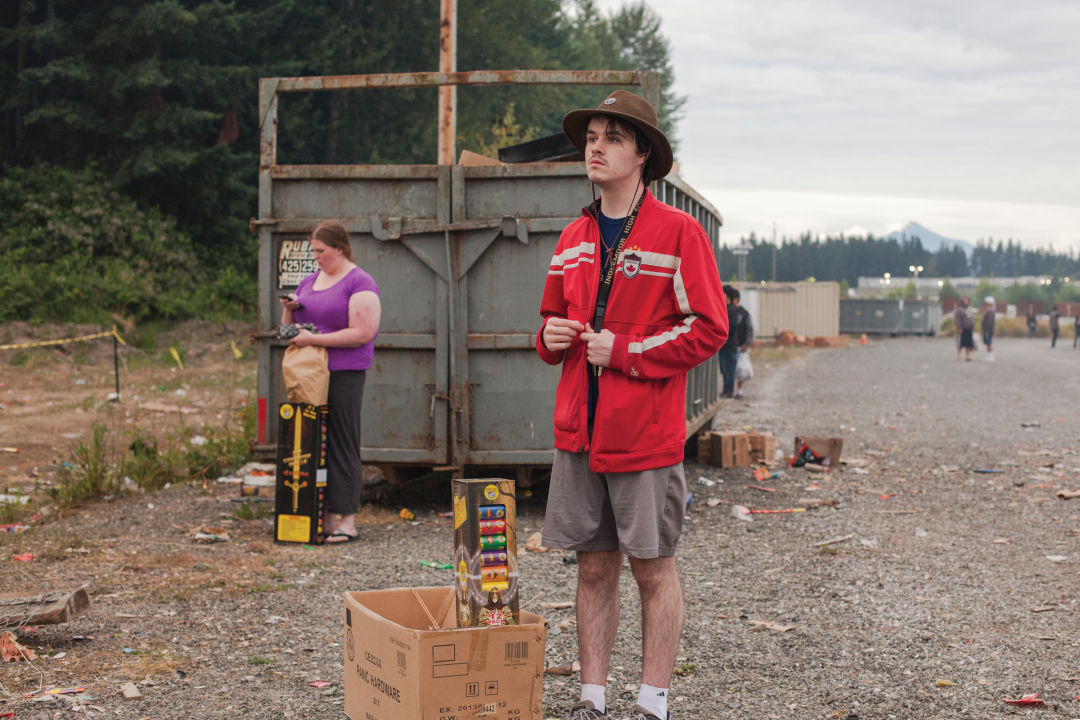
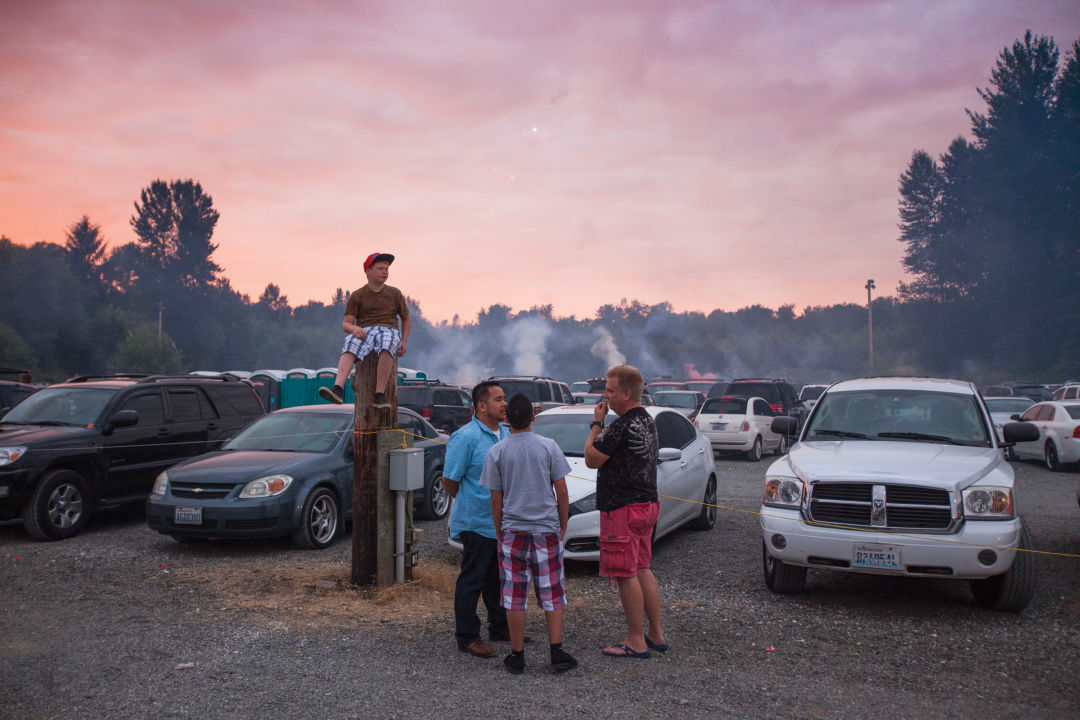
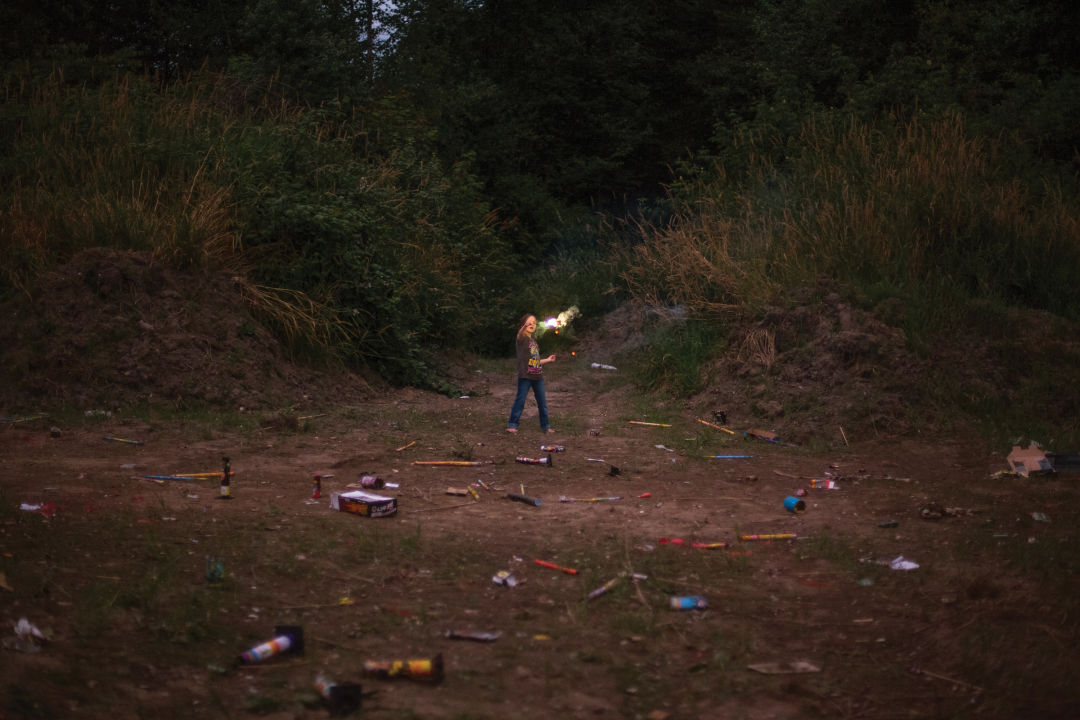
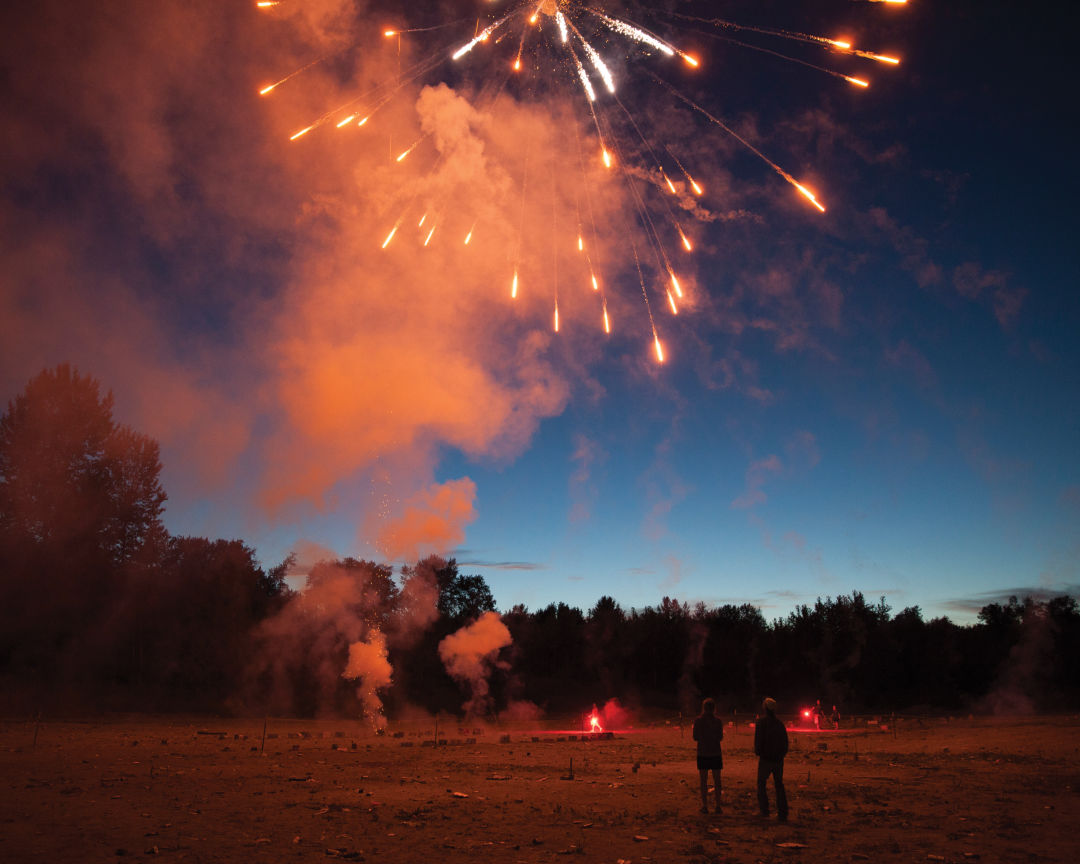
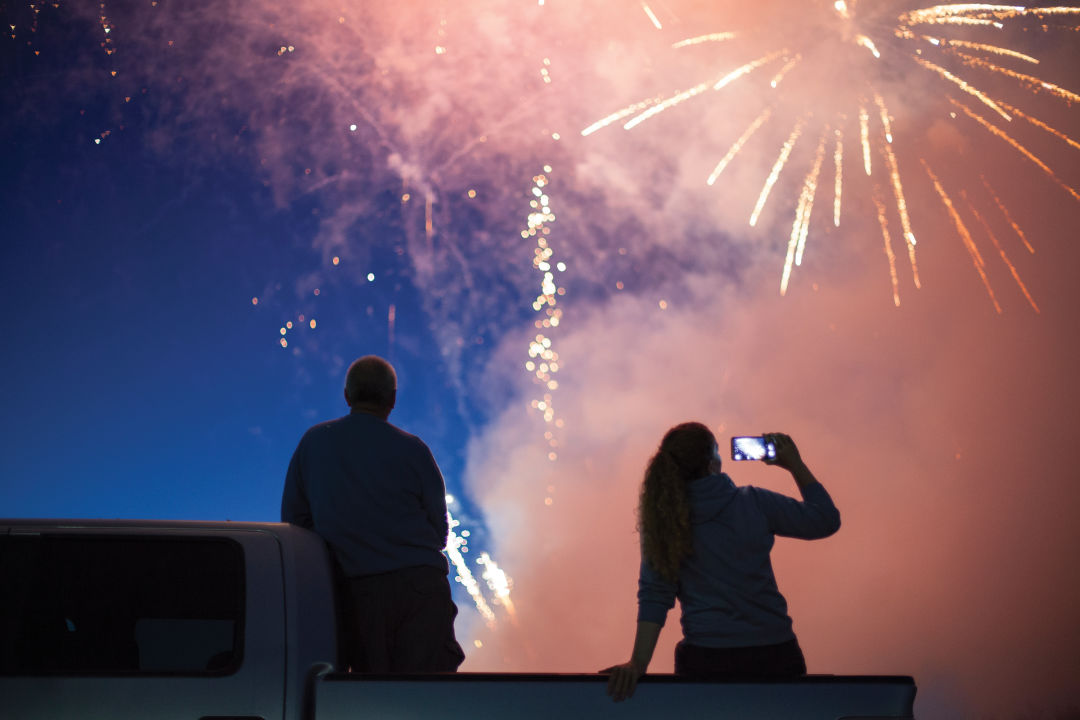
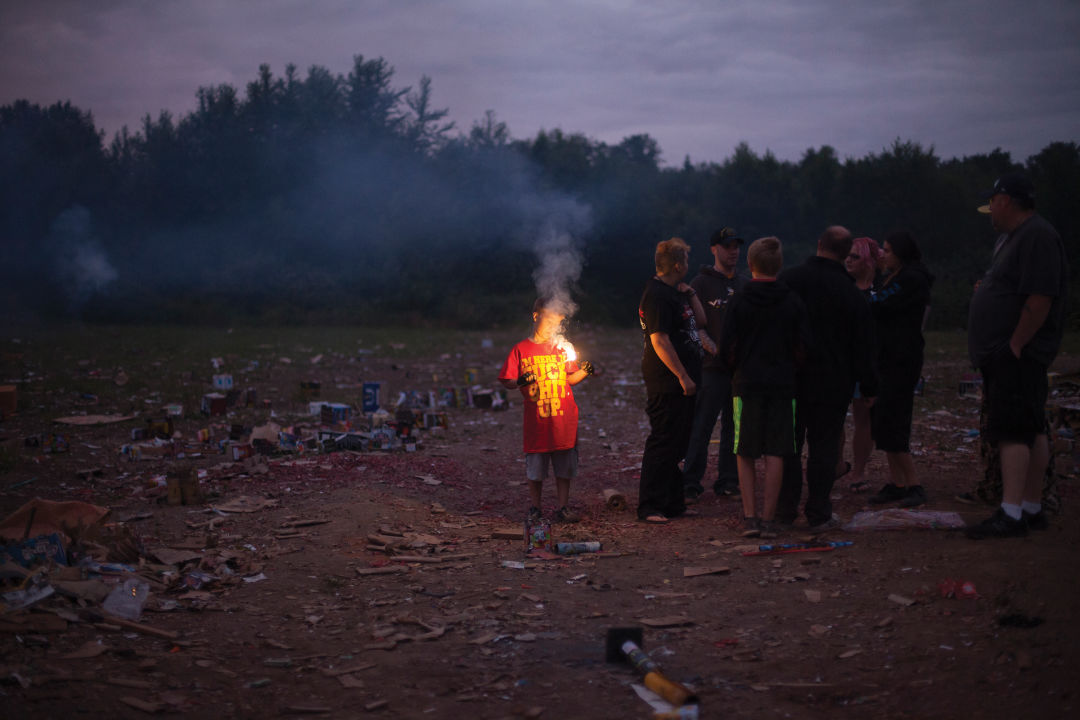
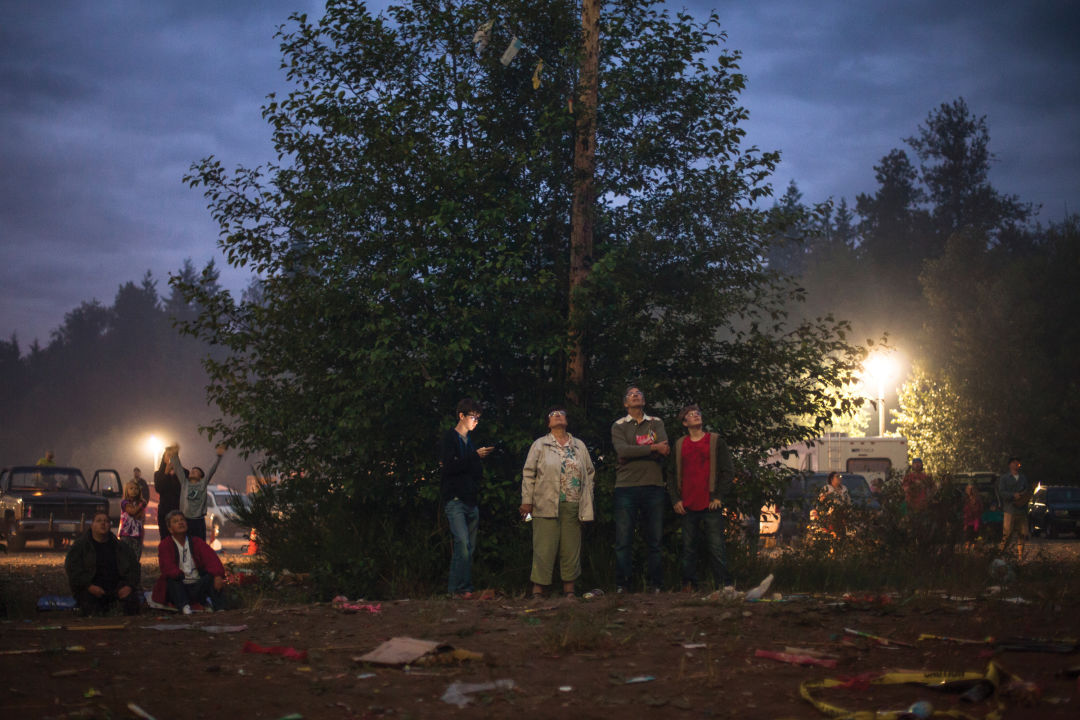
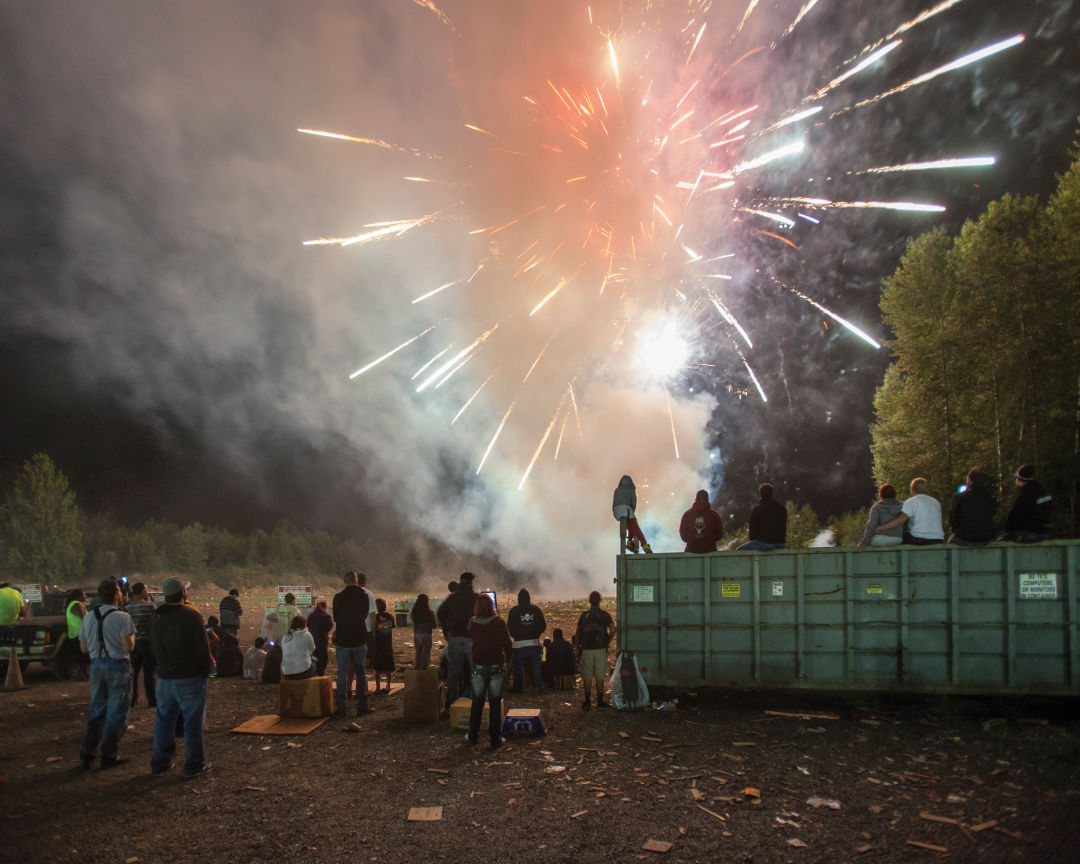
Not every late-night display at Boom City is designed to show off fireworks for sale. Organizers also conduct memorials, such as one pictured here, to commemorate individual tribe members—and fellow vendors—who have passed away.

Love and Football
What the Super Bowl Means to Me


Nostalgia Junket
