Where Does the Snow Go?
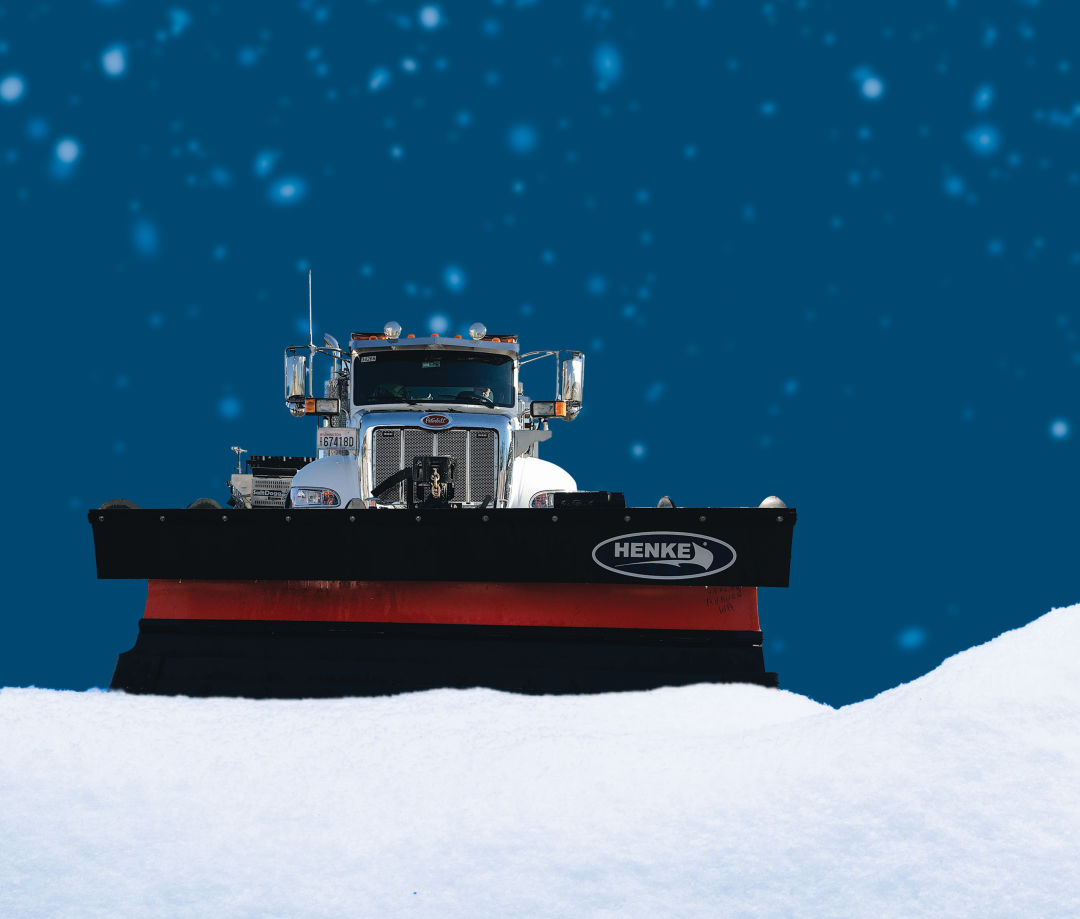
Image: Seattle Met Composite
It’s still a novelty when it snows in Seattle. Seemingly mature grown-ups bound around among the flakes and ride trash can lids down newly formed sledding hills. But it doesn’t take long for our steep, icy streets to turn into something a lot less fun. Here’s how local agencies manage the snow—and how citizens are supposed to help.
That Name Again Is Mr. Plow
The biggest plow fleet in the state belongs to the Washington State Department of Transportation, which is responsible for maintaining major highways, totaling more than 20,000 lane miles.
WSDOT owns 563 snowplows statewide and 5 tow plows, some of which have been given delightful names:
- Plowie McPlow Plow
- The Big Leplowski
- Sir Plows-A-Lot
- Betty Whiteout
How Many Plows?
That’s a complicated question. Some vehicles enlisted for plowing aren’t exclusively used for snow and ice fighting. But the Seattle Department of Transportation has more than 50 vehicles in its snow-fighting fleet.
For comparison’s sake, Boston has 170—with the option to hire more than 800 private plows. Then again, that city also averages 50 more inches of snow than Seattle.
Seattle Snow by the Numbers

- 828 Record snowfall, in inches, in a single season at Snoqualmie Pass, in 1955–56.
- 2,300 Miles of sidewalks in Seattle. Homeowners and business owners are legally (and karmically) responsible for clearing their sidewalk of snow and ice as soon as possible.
- 1,200 Miles of roadway on which SDOT focuses its plowing efforts, including main arterials and routes crucial to transit, hospitals and emergency services, major employers, and shelters. Seattle residents can call 206-684-ROAD to report icy side streets.
-
9 Washington highways that require snow clearing in winter. Six require blasting to preemptively cause avalanches before they could bury travelers.
Traditionally WSDOT leases artillery from the Department of Defense to do avalanche control, but recent implementation of remote systems at Stevens Pass have made work there more efficient and safer.

Image: Courtesy SDOT
The Great Salt Debate
Seattle banned the use of salt for deicing in 1998 for environmental reasons. Then, a decade later, mayor Greg Nickels reversed the policy after a large snowstorm and a great deal of ridicule.
There is no “good” environmental answer for keeping roads clear. These days SDOT uses magnesium chloride to pretreat roads and prevent ice buildup, then collaborates with Seattle Public Utilities to decide the best way to deice individual roads depending on whether they drain into fresh or salt water.
Where Do Potholes Come From?
The pavement in our roads is porous—whenever it rains or snows, water seeps in. During cold temperatures, that water freezes and expands, causing cracks under the surface, weakening the road. When heavy vehicles pass over those cracked areas, pieces can break off.
Another challenge? Asphalt doesn’t bind well in freezing temperatures, says SDOT. So sometimes repairs have to wait.

Tips:
- Think before you sled—even on streets that seem empty. It can be hard for vehicles to stop on snowy and icy roads.
- Clear the snow off your car before getting on the road. SDOT says there’s no specific law about this, but if your negligence causes an accident, you can be liable.

Image: Seattle Met Composite
Seattle Snowfall Over the Years
* = La Niña year
La Niña is the name given to the periodic cooling of ocean temperatures in the Pacific. 2024–25 is projected to be a La Niña year—which can mean more snow in the Pacific Northwest.
- 2003−04 0 in
- 2004−05 0 in
- 2005−06* 1.8 in
- 2006−07 3.6 in
- 2007−08* 3.2 in
- 2008−09* 23.3 in
- 2009−10 trace
- 2010−11* 7.8 in
- 2011−12* 10.5 in
- 2012−13 0.6 in
- 2013−14 4.0 in
- 2014−15 0.8 in
- 2015−16 trace
- 2016−17 11.2 in
- 2017−18* 4.0 in
- 2018−19 21.0 in
- 2019−20 0.7 in
- 2020−21* 12.9 in
- 2021−22* 9.2 in
- 2022−23* 8.1 in
- 2023−24 0.3 in