Hummingbird Sushi Goes Big on Flavor

Image: Amber Fouts
The Hokkaido scallops at Hummingbird Sushi are exactly the kind of thing you hope for at an omakase meal: a surprise that changes how you think about an ingredient. Aged in kombu, which firms the flesh and enhances the natural umami of the shellfish, the scallops are underlined by a double-whammy of citrus from lemon confit and yuzu vinaigrette.
But the dish also embodies the disconnect of a restaurant that’s torn between high-minded sushi, boisterous flavors, and flamboyant presentation. Off-putting bubbles of yuzu foam gather at the edge of the pearlescent bivalve coins, which chef Ji Hun Hong hands over the sushi bar on bricks of Himalayan pink salt, a method of serving I thought had been abandoned in 2010.

Image: Amber Fouts
Jiro dreamed of a specific kind of sushi, a vision of simplicity, precisely sliced fish, and minimal intervention by the chef. In Seattle, where Jiro-trained Shiro Kashiba introduced high-end sushi, and where he and his disciples still dominate the scene, high-end sushi culture tends to fall into two categories: the fish-worshipping Edo-style of Kashiba and cocktail-centric spots serving multi-ingredient rolls to people more interested in the scene than the seafood.

Image: Amber Fouts
Hummingbird Sushi, which opened in the former Paju space on Lower Queen Anne in August, blows a fiery, jalapeño-fueled hole through the center of that dichotomy. The fish remains the star, but a colorful supporting cast is allowed on stage, and occasionally the accoutrements steal the show.
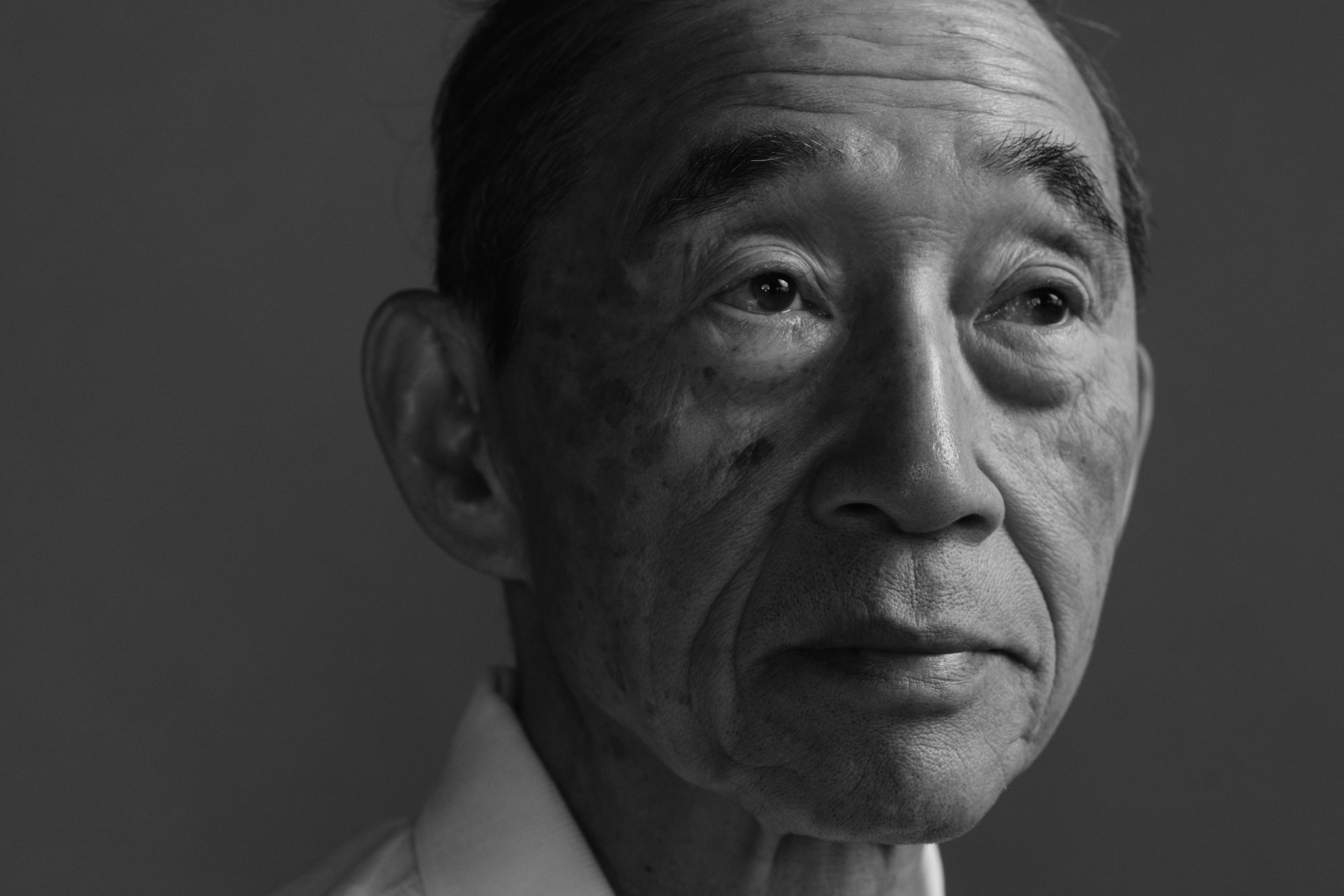
“I don't want to do the same thing,” Hummingbird owner and chef Ji says. “My way is just my taste, my flavor, and something different.” He moved to Seattle from El Paso because it was too hard to get high-quality fish there, and, when he did get it, his customers still preferred fried dishes over raw.
At Hummingbird, the pursuit of perfection falls to the wayside, replaced by creativity and freedom, and a genre of sushi that I’ve taken to describing as Texas-style—everything’s bigger there, especially the flavors. (But not the a la carte menu, which is sparse and mainly sashimi and nigiri, with only a pair of rolls.)
Ji’s focus is on his tasting menus, the seven-course, $90 Modern Omakase and the 10-course, $150 Modern Super Omakase, the latter offered only at the sushi bar. Those change seasonally, though customers at the dozenish tables in the elegant wood-walled room can order any dish from both menus.

Image: Amber Fouts
At the table, ordering a la carte allowed me to jump around, bouncing from dishes I knew I loved (uni nigiri) to those that intrigued me, like the White Fish Heaven, a tasting of the day’s best white fish. But the Modern Super Omakase pushed me out of my usual comfort zone: Instead of uni nigiri, Ji served uni shooters. Shooters generally avoid the less popular flavors and textures of shellfish, neutralizing them with vodka and sending them down in a sea of tomato juice. Ji’s uni shooter did the opposite. The bright, thin sake became a river, floating a trio of eggs—quail yolk, Hokkaido uni, and yuzu tobiko—out of the champagne flute and into my mouth building into a textural crescendo.
Ji’s maximalism works well in dishes like that, when it focuses on texture, or when it aims for flavor, as in the toro zuke (cured tuna) with kizami—fresh chopped wasabi. It also works, I noted as the Modern Super Omakase crept past its second hour, in the service of the guests’ comfort in the form of the overstuffed bar stools and pillows scattered on banquettes.

Image: Amber Fouts
But it falters when it gets showy with luxury ingredients. Nobody on either of my visits cared about the edible gold flecked onto fatty tuna or the black truffle paste added undetectably to the salmon that kicked off the omakase. Perhaps it’s that Edo-style education, but I would have happily traded any of the flashiness for more careful or precise knife cuts on the fish.
Seattle’s excellent sushi scene is a new environment for Ji, who moved to the US from Seoul at age 26, leaving behind his career in marketing. He began working at a sushi bar in Greenville, South Carolina, to learn English, a career that took him to Florida and Ohio. More than a decade later, he ended up in El Paso, where he opened his first restaurant, Dragonfly Wine and Sushi Bistro.
Ten years on, El Paso was hot, and getting hotter. The dry environment made Ji sick, and getting good fish was exhausting: He had to have it shipped by FedEx from Hawai'i or imported from Japan to Los Angeles, then put on a plane to El Paso. “I would go pick up from the cargo at Southwest,” he says. He was ready for something close to the ocean, with an audience that appreciated his fish.
I, for one, do. Particularly the itoyori, on which Ji cooked the skin with hot water, leaving the meat plump and complex, but softening the edge and highlighting the majestic glimmers that give the fish its English name: golden threadfin bream. As he served the walu, with pickled horseradish vinaigrette that cuts through the buttery, tender fish, Ji told the sushi bar, “Nobody else has this.” Better known as escolar, and occasionally sold optimistically as “white tuna,” its paucity is in part thanks to its reputation for the digestive issues it can cause when eaten in large quantities. The three slim slices comprising the third course of our tasting were nothing to worry about; a rare delight, and one of the highlights of Hummingbird’s 10-course menu.

Image: Amber Fouts
“Hummingbirds are very peaceful,” Ji says, and remind him of himself: friendly, small, energetic. Colorful illustrations of the bird nestle into leafy insets on the wall, decorate the placemats, and even adorn a bathmat in the restroom. Their “good energy and great vibes toward people” led Ji to name his restaurant after them. The restaurant’s service, led by Ji’s wife, Nicha Saenkaew, embodies that.
I arrived six minutes late for my omakase appointment, but that was still 20 minutes before my seat was ready. The new restaurant was struggling to manage a Friday night rush and the previous round of diners remained at the sushi bar. The stress of the staff and impatient diners was palpable. The couple next to me, out for a birthday celebration, joked nervously about paying the babysitter extra as we sat down. Chef Ji immediately broke the tension with a bonus bite before we dove into the 10-course tasting menu: golden eye snapper nigiri.

Image: Amber Fouts
At most upscale Seattle sushi bars this would be the first in a parade of nigiri, served piece-by-piece, but instead it kicked off Ji’s unique selection, including Indonesian sambal dressed tuna, spot prawns with fresh grated wasabi, and a duo of lobster, sous vide and in a fritter with blue crab. By the time we got to the A5 Wagyu nigiri at the end of the meal, any memory of the rocky start had been erased by Ji and Saenkaew’s warmth. When the meal ended, everyone was sharing a bottle of sake and—in that great Seattle ritual—cooing over photos of each other’s dogs.
“We make a mistake, we are not perfect,” Ji says. “We fix it, and the next time it’s not going to happen.” When I spoke to him the following week, he explained how they had changed their reservation system to avoid that sort of delay in the future. A year after moving to Seattle and a few months into opening Hummingbird, Ji is still constantly adjusting, learning the quirks and preferences of local palates—unlike El Paso, Seattle audiences love their raw fish. We care far more about the origins of our otoro than any ostentatious extras. Ji, with his hummingbird energy, is learning as he goes, wings buzzing with excitement, yuzu, and jalapeño, as the restaurant finds its place in Seattle’s competitive sushi scene.