Uwajimaya Celebrates 97 Years as Seattle’s Most Beloved Asian Supermarket
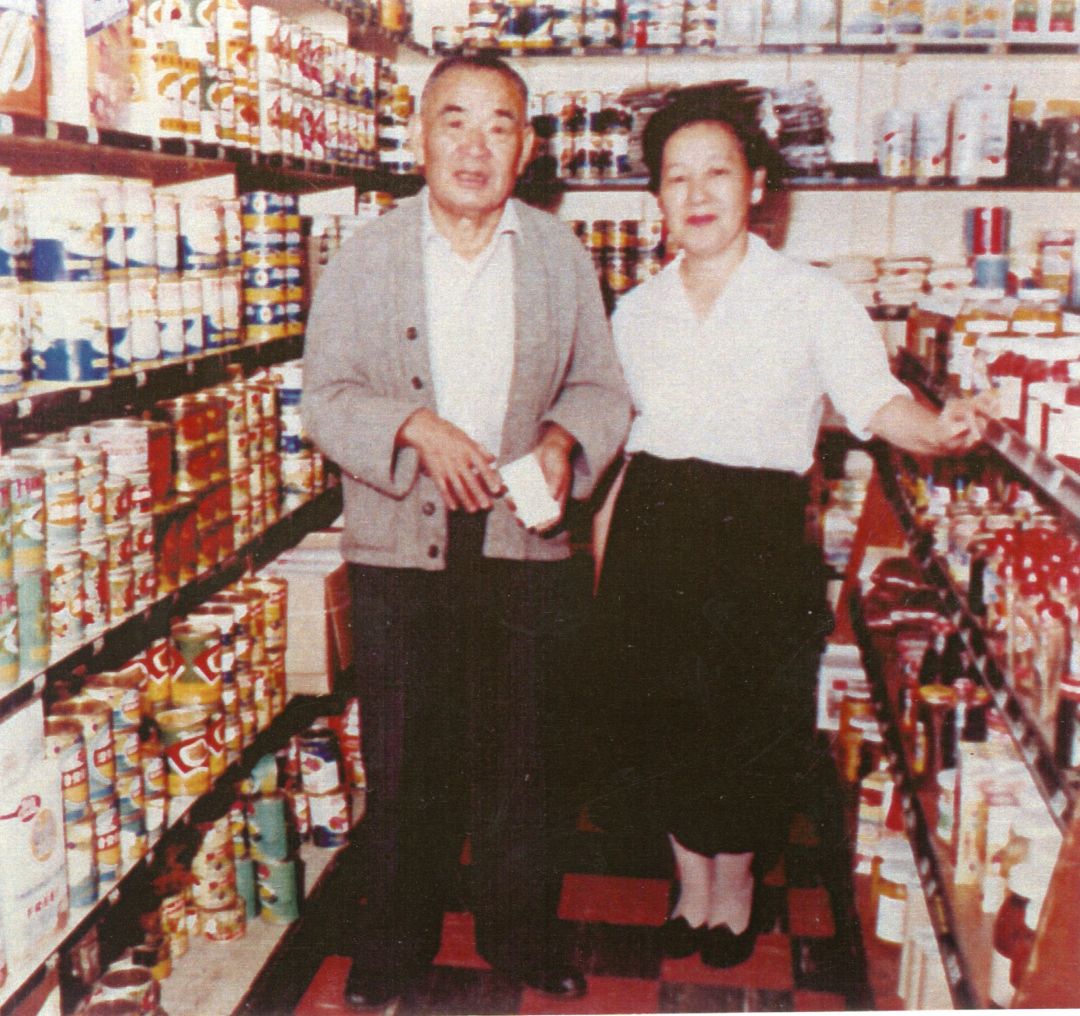
Fujimatsu and Sadako Moriguchi in Seattle Main Street Store, 1960
It’s hard to fathom: The cavernous Asian grocery and specialty store, which today has 25,000 product SKUs and attracts shoppers from all over Seattle and beyond, started out in 1928 as one Japanese man selling fish cakes from the back of a truck in Tacoma. Founder Fujimatsu Moriguchi, who emigrated from Ehime prefecture in Japan, was an astute businessman who identified a need among the Japanese laborers working in logging camps and on the railroad, largely young male bachelors who didn’t have access to the food they liked. So he cooked up fish cakes and drove them to the workers, making him perhaps the original food truck owner.
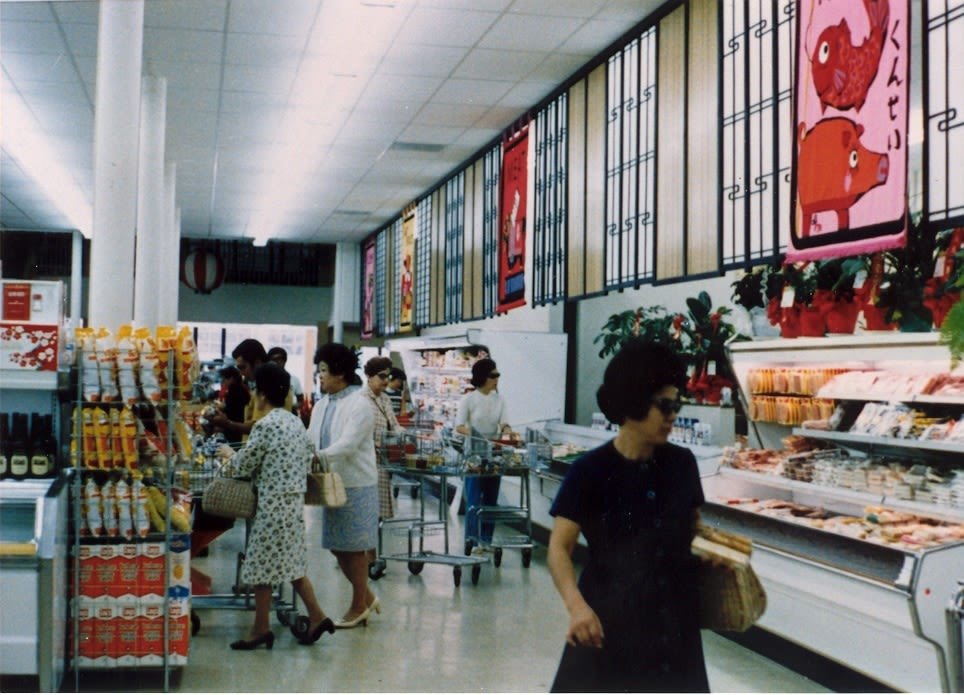
Grand Opening of Uwajimaya Seattle on South King Street, 1970
A few years later, he leased a small storefront in Tacoma. But after World War II broke out, the Moriguchi family was sent to a Japanese internment camp in California. After being released, Fujimatsu relocated to Seattle and opened the city’s first Uwajimaya store at 422 Main St in 1945, in what was then called Japan Town and is now known as the Chinatown-International District. The store was small, says granddaughter and current CEO Denise Moriguchi. “He sold mostly canned goods and grocery items from Japan, rice, and some prepared foods like fish cakes to the Japanese people in the area.” But when the World’s Fair came to Seattle in 1962, Fujimatsu saw an awesome opportunity. “My grandfather had the vision to go to the World’s Fair, to sell items to customers beyond just Japanese. He had a booth and sold chopsticks, Japanese bowls, and crackers. It was the first time some of these people had seen this stuff, mostly gift-y items, and it was received well.” Today, the store is sought out for its housewares, cookware, cosmetics, and novelty items as much as it is for groceries.

Fujimatsu Moriguchi in front of Seattle Main Street Store, 1962
Eventually, Fujimatsu would buy the property next to 422 Main and knock down the walls to expand his store. By 1970, they would buy an even larger space at 6th Avenue South and South King Street, where they stayed until they moved to their current spot at 6th and Dearborn.
Denise’s father, who’s still living, ran the stores with his siblings from the 1960s to 2007 and was very active in the community. “It was important to him that the International District thrive,” she says. Along with her brother and 19 cousins, Denise recalls helping out in the stores. “We’d bag groceries or gift-wrap at Christmas, run carts to the parking lot.” She also has fond memories of her grandmother working in the kitchen, turning out traditional Japanese comfort food like noodles and sushi.
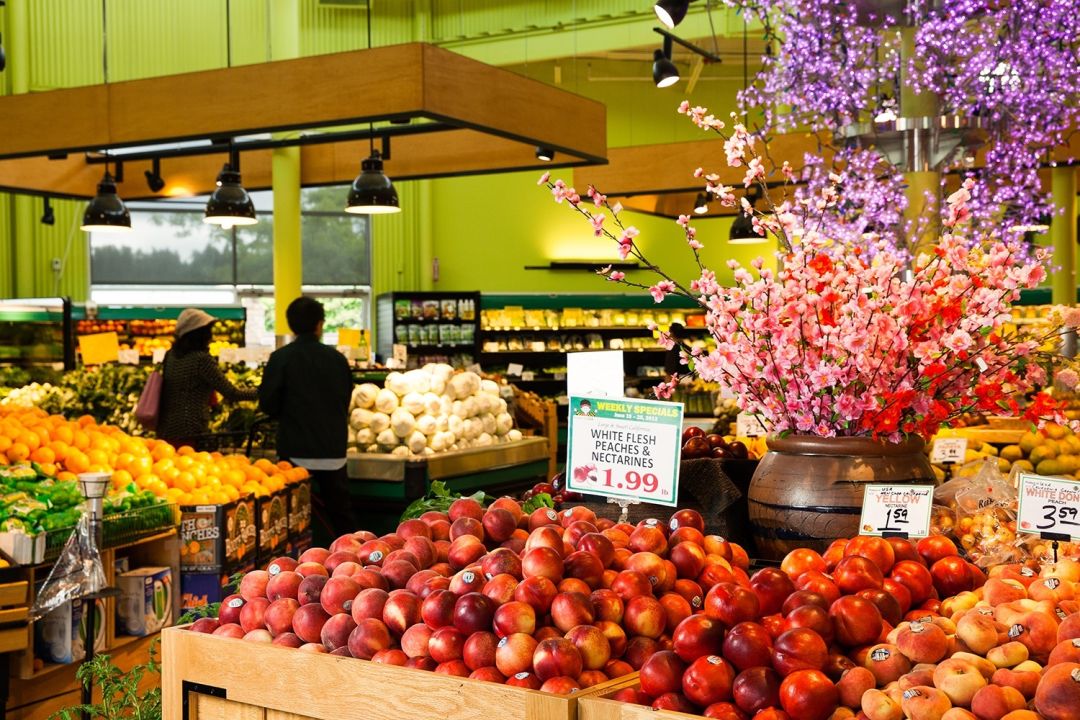
Inside Bellevue Uwajimaya, 2013
As for their transition from selling Japanese grocery staples to nearly every Asian food under the sun, Denise says that it was a natural expansion. “Even though our family’s roots are in Japan, we were pretty pan-Asian.” And while the focus of Uwajimaya is still on Japanese food, they try their best to include other Asian products to best serve their customers. When asked what the clientele like best, she cites their live seafood tanks, Japanese snacks (like Pocky sticks), and grab-and-go foods, including sushi. “My aunt swears we were the first grocery store to offer packaged sushi.” And the attached food court? Her dad’s brain child. “When we built the new store, my father wanted to create a more unique experience. He wanted to make it worth your trip down.”
Based on the store’s incredible business, it’s pretty clear his vision was realized.
Uwajimaya Today
While Uwajimaya began by serving Japanese immigrants, today their customers reflect the Pacific Northwest’s diversity and tastes. More than just a supermarket, Uwajimaya is a bridge for cultural exchange — a place where people explore traditions, foods, and celebrations from across Asia.
Their product offerings continue to expand, highlighting a wide variety of Asian products, from pantry staples to trending foods like viral fruit ice creams. Customers also love live seafood, sashimi and poke bowls, specialty Asian cuts of meat perfect for Hot Pot, Japanese snacks and drinks, and an ever-growing selection of grab-and-go favorites including sushi.
Uwajimaya Timeline
-
1928: Fujimatsu Moriguchi begins selling homemade fishcakes in Tacoma to Japanese immigrant laborers.
-
1941: Moriguchi family sent to Tule Lake Internment Camp in California during WWII.
-
1945: After WWII internment, Uwajimaya opens a small store in Seattle.
-
1962: Uwajimaya showcases at Seattle World’s Fair reaching new audiences.
-
1970: Uwajimaya moves to larger store on South King Street in Seattle.
-
1978: Second location opens in Bellevue, WA in the Crossroads neighborhood.
-
1997: Third location opens in Beaverton, OR.
-
2000: Uwajimaya Village opens in Seattle - a 66,000-square-foot store with food court, bookstore, and other shops.
-
2009: Forth location opens in Renton, WA.
-
2011: Uwajimaya relocates Bellevue store to Wilburton neighborhood.
-
2021: Seattle flagship store remodeled
-
2025: Uwajimaya announces future expansion into Issaquah.
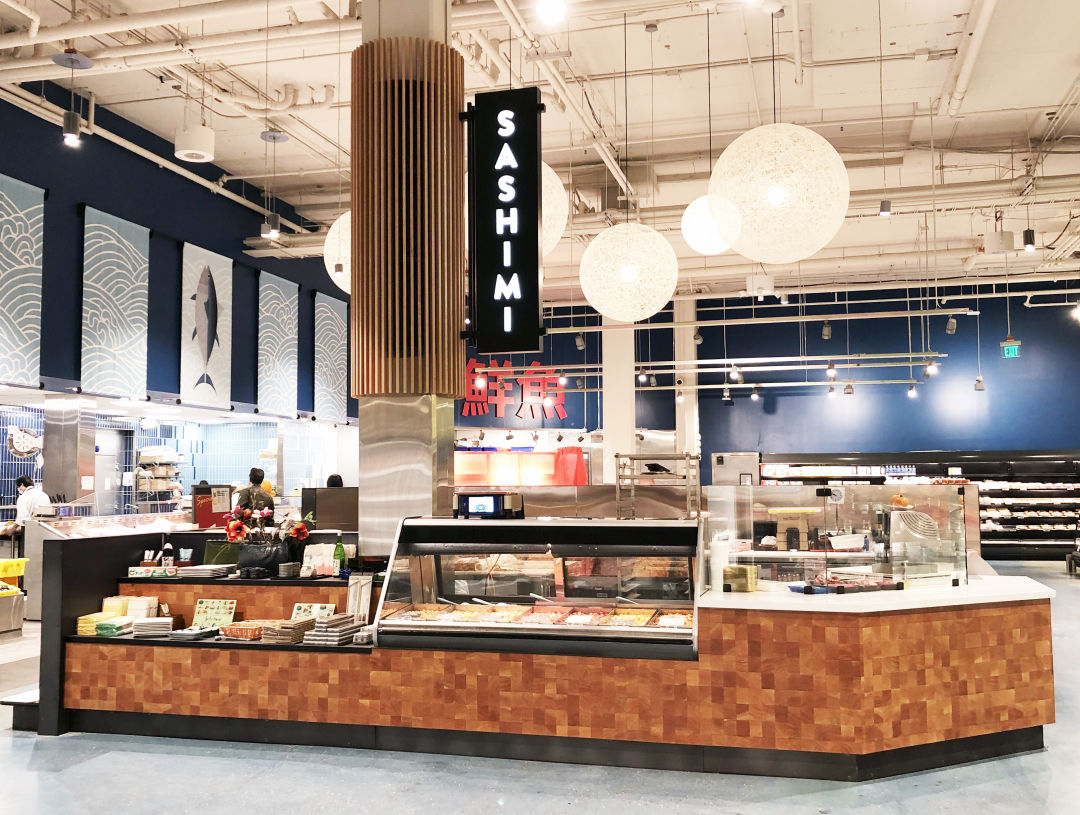
Looking Ahead: New Stores and Expansion
Uwajimaya is excited to expand to the Eastside with a future Issaquah location. While the timeline is still to be determined, the store is at least a year out.
“As a third-generation family-owned business, we’re always balancing our history with our future,” says Uwajimaya CEO. “Expanding to Issaquah is part of that future — continuing to grow thoughtfully while staying true to our roots in community, family, and sharing Asian culture through food.”