Where to Hike with Marmots in Washington

Nothing shows off nature’s majesty like a marmot. In coats of thick fur, they recline on alpine rocks the way a Hollywood starlet drapes herself on a chaise longue. And while Washington’s endemic Olympic marmot may be endangered, there are thousands more marmots of other species to see across the state’s meadows and parks. Here’s where to spot the fuzzy fatties in all their glory.

Image: Mark R/shutterstock.com
Sunrise Ridge
Olympic National Park
From the Hurricane Ridge visitor’s area, a trail heads northeast for a 5.5-mile out-and-back along a scenic ridge. UCLA’s marmot expert, Dr. Daniel Blumstein, has traveled here to study the Olympic marmots and has seen the social rodents group up around the trail to go after hiker urination spots (they like the salty soil). More wildlife lives up on Klahhane Ridge, including deer and bear, and the slopes erupt with wildflowers in midsummer.
Riverfront Park
Spokane
Not every marmot is an alpine dweller; some are basically big fat city mouses. The yellow-bellied variety that hang out in Spokane’s central urban park can be a problem, given that they chew though vehicle wiring and destroy the landscaping. Trapping and euthanizing the creatures can reduce the population, but despite human intervention they haven’t been able to quit the glamour of the old World’s Fair site.

Skyline Loop
Mt. Rainier National Park
The Paradise meadows become furball central once the snow melts in early summer, with hoary marmots sprawling on giant boulders and occasionally shrieking across the subalpine trails. The 5.5-mile loop from the Paradise Inn is one of the best bets for a marmot sighting, and a chance to see black bears, chipmunks, and the elusive wolverine.
Marmot Pass
olympic Peninsula
This viewpoint on the east side of the Olympics—but outside the national park—got its name for a reason. Because the hike begins in the thick old-growth forest along the Big Quilcene River, it takes a bit of a climb (and almost six miles) to reach the pass. Try camping overnight for the best shot at seeing the area’s eponymous animals.

Palouse Falls
Eastern Washington
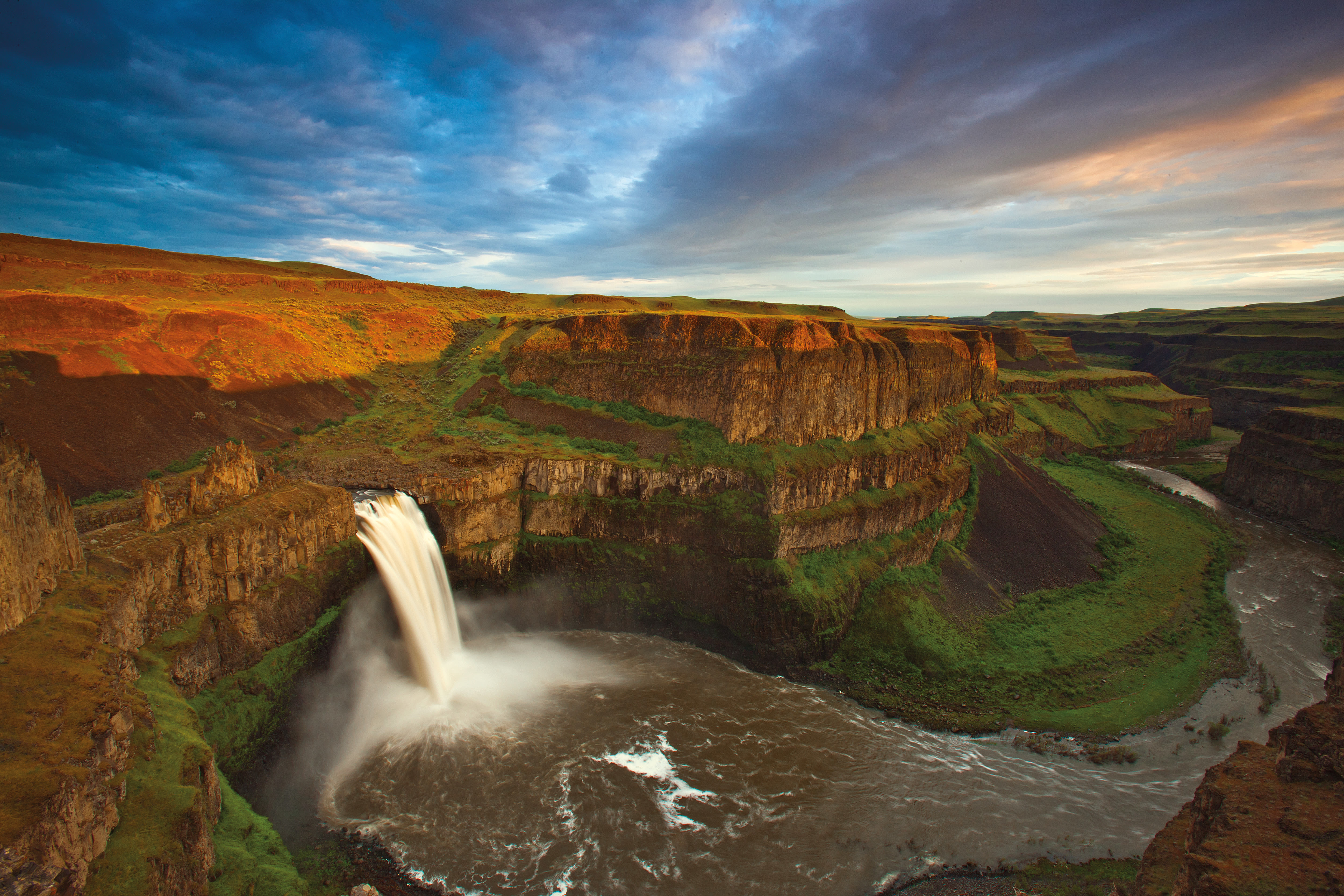
It’s a short walk from the parking lot of this Eastern Washington state park to a fenceline full of views. The 200-foot cascade roars across the deep ravine carved by the falling water, but a troop of yellow-bellied marmots are happy to provide visual attractions at closer proximity. The animals stand on their haunches right next to the steep canyon walls but don’t seem fazed by the drop; they’re just curious if you’re dropping your Kind bar (please don’t).
White Pass
Mountain Loop Highway
Hugely popular with climbers heading to Glacier Peak or trekkers on the Pacific Crest Trail, this high pass is about nine miles from the trailhead and ideal for an overnight. Marmots love the rolling green flanks of White Mountain behind the pass and are almost as prevalent as the lupine that paint the area a bright purple. Expect to hear the animals’ whistles from camp.