


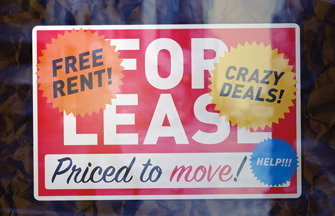
Image: Benjamen Purvis
IN RETAIL REAL estate jargon, they call it “a 50-yard-line location.” The two-story, 14,000-square-foot storefront at Fifth and Pike, which until February had housed an austerely hip Adidas store for a decade, is one of the most visible—and valuable—commercial properties in downtown Seattle. So coveted is the corner that, in 2006, one commercial broker crowed to the Puget Sound Business Journal that if across-the-street neighbor Banana Republic ever left, “you’d blink and see another high-end retail tenant in there.”
That may have been true three years ago, but today landlords are opening their eyes to a new retail paradigm: The commercial real estate market—previously propped up by years of consumer gluttony—is rapidly softening, and that once-irresistible storefront at Fifth and Pike has become a vacant monument to the decline. “Are leases being signed? Yes,” says Tom Graff, president of the brokerage Ewing and Clark, which has a commercial division. “But they’re harder to come by, and it takes a lot more negotiation.”
And by “negotiation,” he means lease concessions, tenant-improvement allowances, and free rent for qualified tenants—in some cases, six months of free rent. “During the economic boom, rents ramped up to historical levels on most retail spaces,” says JSH Properties broker Jeremy Moller. “Now you’re seeing the fallout from that.”
But complicating the issue—and making it more likely that some spaces will continue to sit vacant—is the fact that developers and building owners are being picky. They’re not so desperate that they’ll throw leases at the first business to show up with first and last month’s rent. “They’re looking for a solid operator who will be a good long-term tenant,” Moller says. Retail can be a profit center in a multistory building, he points out, “but more than anything, it’s an amenity to the building that helps define the front porch.”
Deborah Matlick, a leasing agent for Pine Street Group, which owns the former Adidas spot, has talked to several different tenants about leasing the space, but the developer may have to chop it up and rent to multiple businesses. “There just aren’t as many tenants running around doing really big, 10,000-square-foot stores as there have been in the past,” she says.
An eventual two-for-one addition to the downtown-shopping landscape would be great…for those who still have money to spend, but surely there’s a shinier silver lining to the retail real-estate woes. “Well,” Graff says, “everything eventually leases.”
SCREAMING DEALS
Big Price Reductions
Two years ago, playing chicken with a seller would make it easy for a less-frugal bidder to poach the property and leave you fried in the end. Now, waiting out the market can pay off with big reductions on quality properties. A quick check of the listings shows just how big those price drops can be.
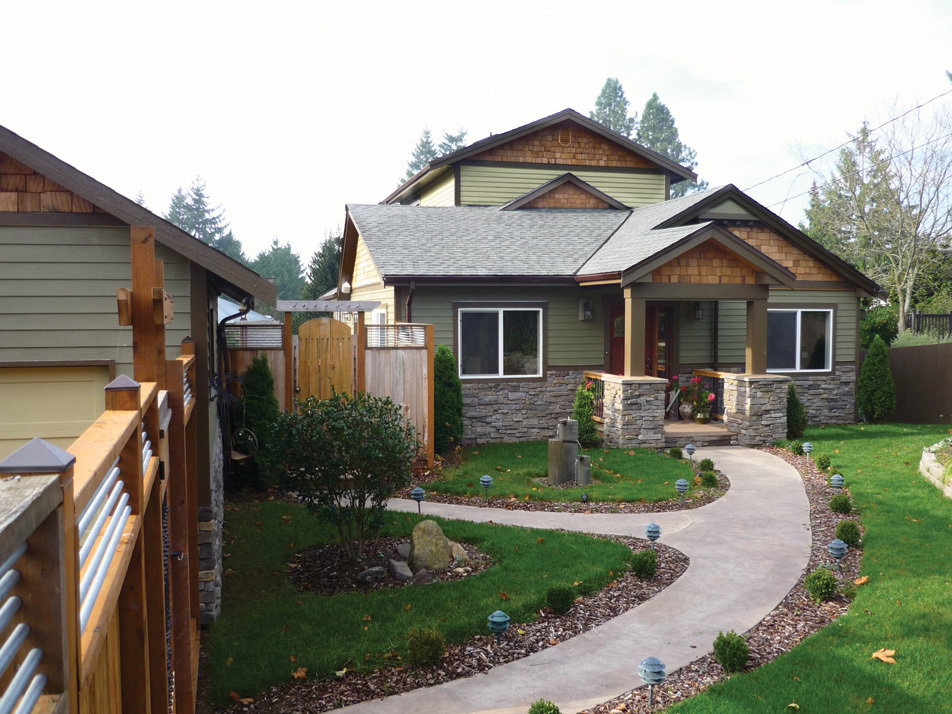
CEDAR PARK $574,000
Listed for $724,500 in November 2008
Reduction 21%
Details 12557 39th Ave NE; 2,530 square feet, 4 bedrooms, 2 baths, built 1927
Why It’s a Steal The owners invested nearly $200,000 in a remodel and addition; there’s a hot tub in the gazebo and a built-in barbecue grill on the deck.
Listed by Sandy Noll, Keller Williams
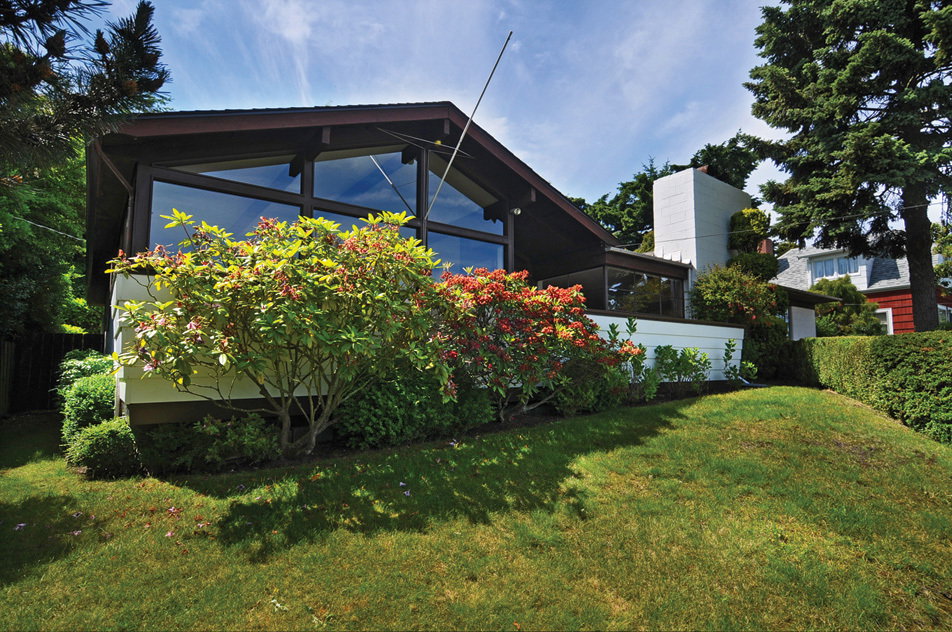
MAGNOLIA $549,500
Listed for $698,500 in June 2008
Reduction 21%
Details 2811 36th Ave W; 2,970 square feet, 4 bedrooms, 2¾ baths, built 1945
Why It’s a Steal Simple: $185 per square foot, hardwood floors, a lush backyard, and—how’s this for creative bargaining—the owners will throw in their piano and power tools to sweeten the deal.
Listed by Dan Fresonke, Windermere
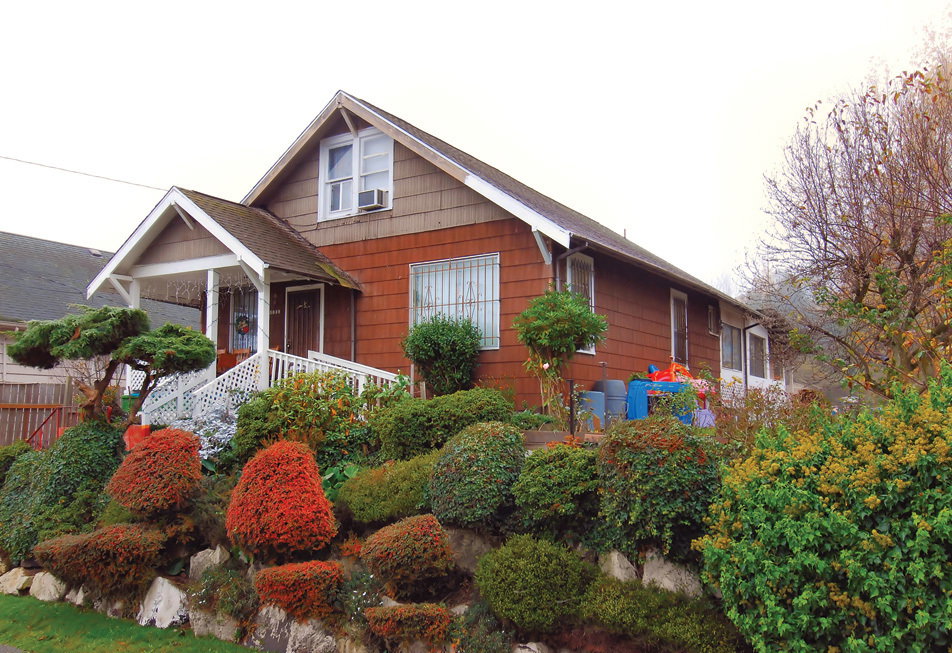
BEACON HILL $279,500
Listed for $339,950 in December 2008
Reduction 18%
Details 5039 32nd Ave S; 1,960 square feet, 3 bedrooms, 2 baths, built 1912
Why It’s a Steal It has hardwood floors throughout and a massive lot, and it’s within blocks of a future light rail station. The kitchen needs updating, but at $143 per square foot, you can afford the investment.
Listed by Paul Lau, John L. Scott
Published in the Best Burgers issue of Seattle Met.
|
|
|