


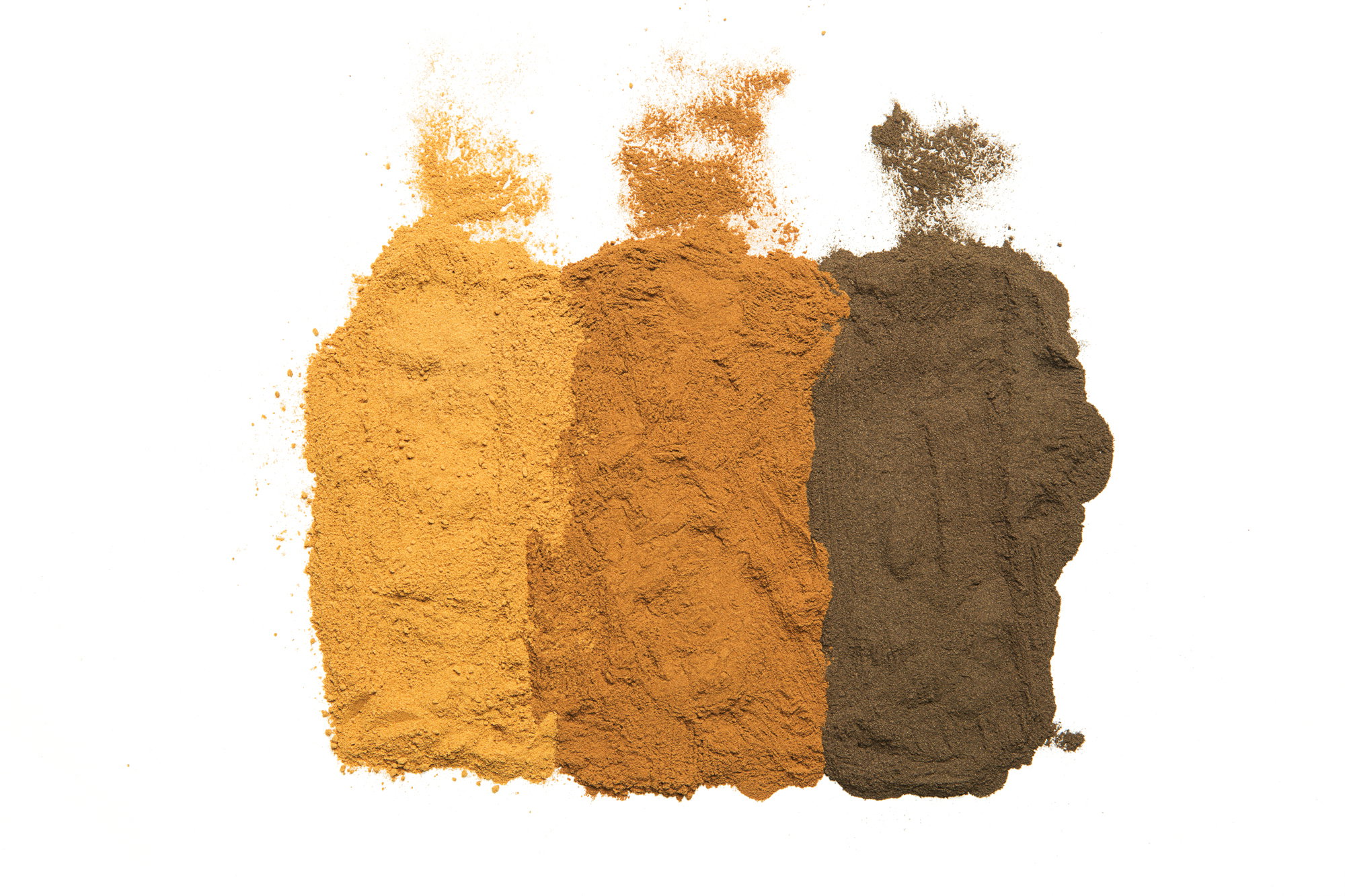
Flour from various coffee regions.
Image: Amber Fouts
Chef Jason Wilson used to craft intricate tasting menus in Crush’s Madison Valley kitchen; now he and a few staffers whip up mahogany gnocchi, pizza crusts the color of chocolate cake, and actual cake the color of charcoal. It’s all in service of figuring out what can be done with coffee flour, a product that didn’t exist three years ago but has the potential to transform the economics, and environmental impact, of harvesting coffee beans.
That process involves squeezing green coffee beans from a pulpy fruit, known as a coffee cherry. Piles of discarded, drippy fruit often sit and rot until farmers have time to dispose of it. In 2012, Dan Belliveau, a veteran of Frito-Lay and Starbucks, had a realization: Dry this stuff, grind it up, and something once destined for a landfill becomes a massively protein- and fiber-dense flour (not to mention another source of revenue for farmers), imparting a fruity, deeply earthy flavor and no small amount of vitamins and antioxidants.
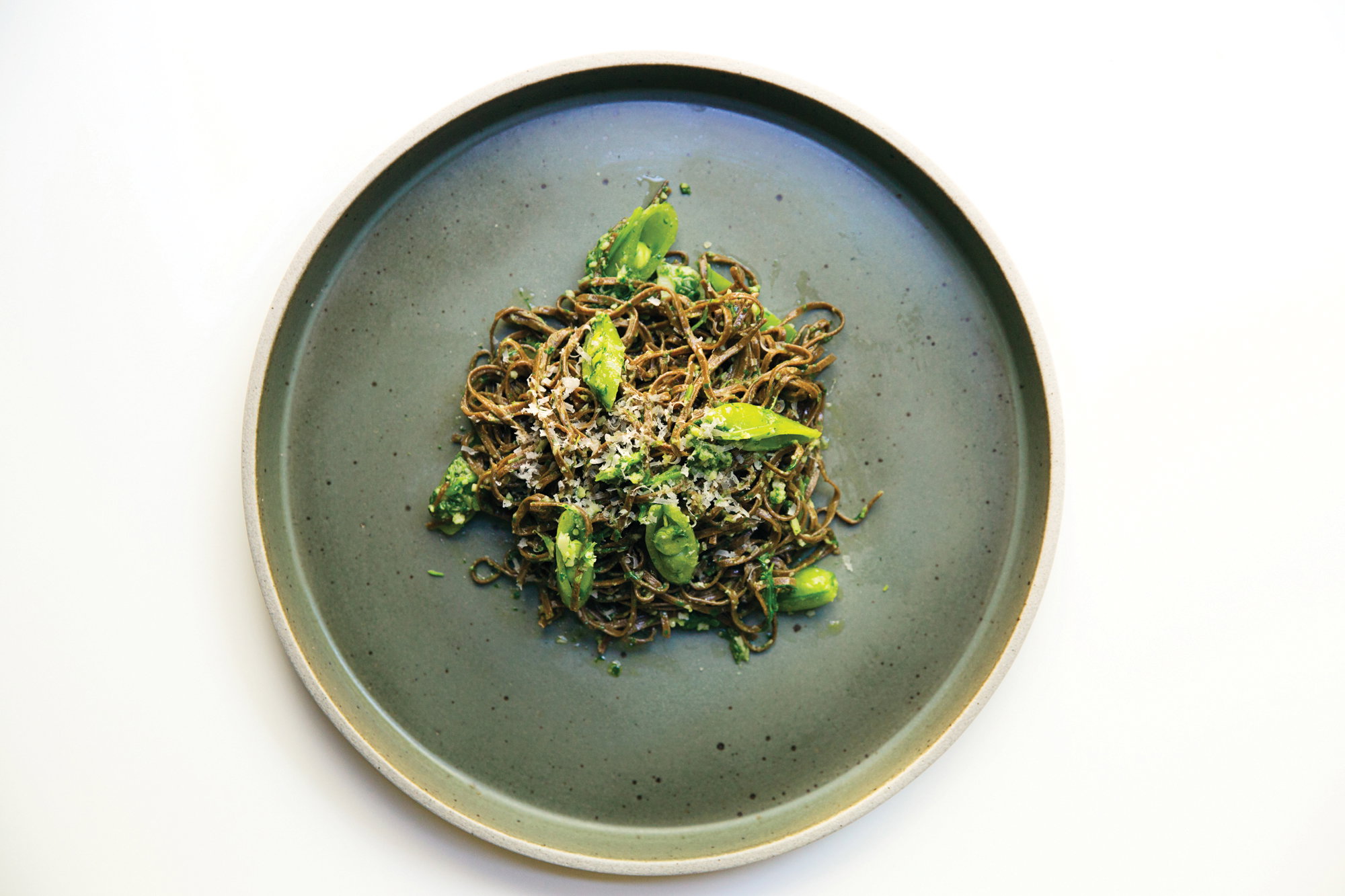
A dish from the coffee flour test kitchen.
Image: Amber Fouts
Belliveau founded Coffee Flour, then brought in Wilson to figure out how to translate this substance—which comes in a rainbow of browns depending on whether it’s from Nicaragua or Vietnam or Mexico—into actual food. When Crush closed in 2015, it became the company’s official lab and headquarters.
Now, Coffee Flour shows up in artisanal lines of cookies, trail mix, hot cereal—even a bagel in Japan. The taste is a natural fit with chocolate, as evidenced by Seattle Chocolate’s new line of coffee flour bars. But Belliveau’s thinking bigger: a commercial-grade coffee flour (a blend from various countries, to guarantee a consistent flavor) that could sub in for nutritionally vacuous, all–purpose flour. Recipes developed in Crush’s old kitchen are helping companies like Nestlé and Frito-Lay test that premise.
Coffee Flour’s founder also wants to make single-origin flour cheap enough to stick around in its native country as a culinary staple rather than be exported, creating milling jobs, reducing waste, and adding a dose of nutrition to the local fare; when that happens, Wilson and his crew will be ready with recipes for everything from tortillas to chapatis.
Published in the Coffee: The New Guide to a Seattle Obsession issue of Seattle Met.
|
|
|