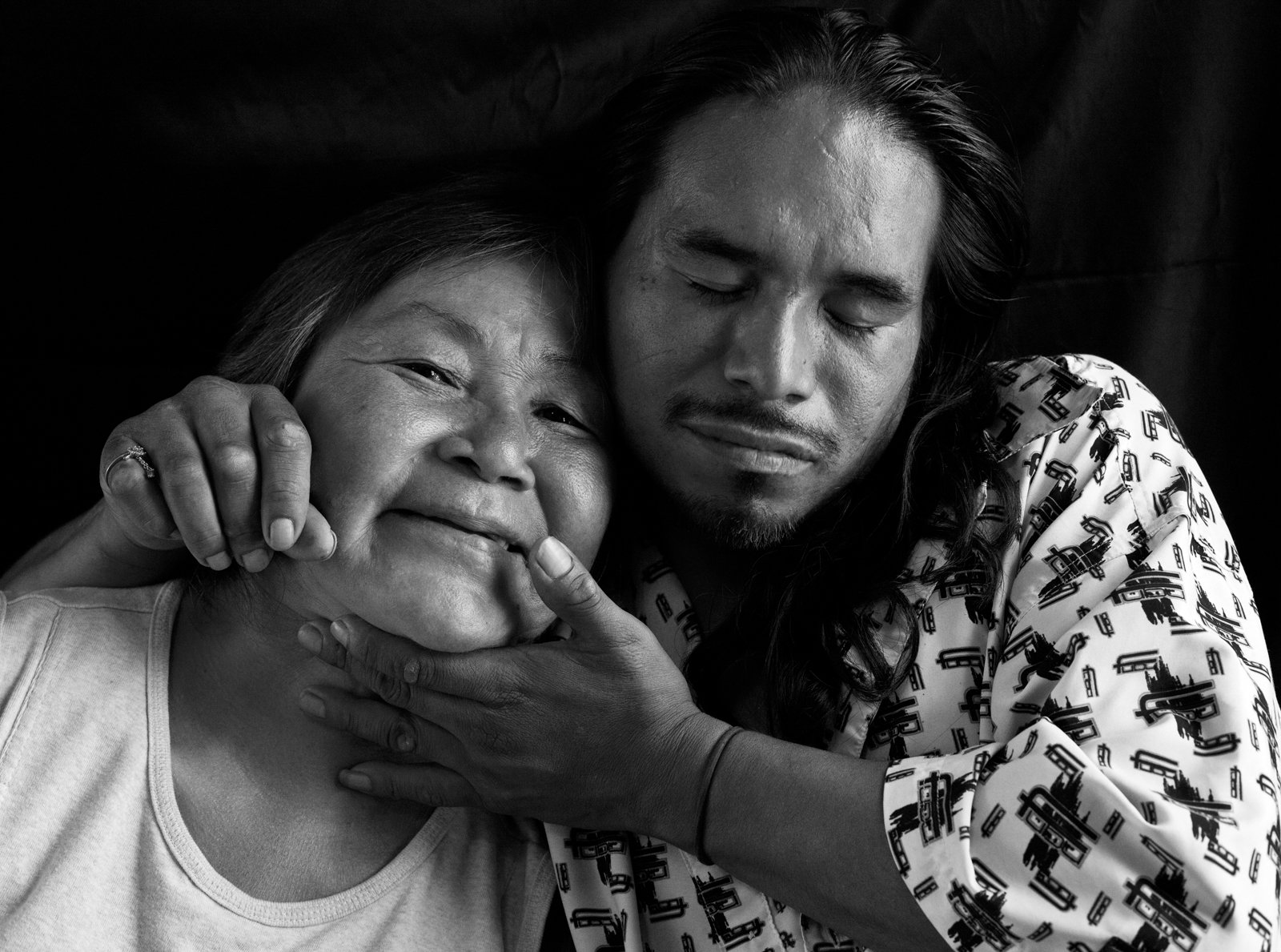
Dinkus McGank was a logger on the Olympic Peninsula until a wayward log left him disabled, jobless, and without a home.
2
Hohlbein met Jennifer and her daughter Willow in Wallingford, living in an RV in July 2015.
3
Hohlbein met Jennifer and her daughter Willow in Wallingford, living in an RV in July 2015.
4
On the night of August 24, 2015, shortly before this photo was taken, Scott Davis and his wife, Stacey, were attacked in their tent under the Magnolia Bridge. The assailant, presumably experiencing a psychotic episode, beat the couple, severely injuring Scott—and killing Stacey.
5
On the night of August 24, 2015, shortly before this photo was taken, Scott Davis and his wife, Stacey, were attacked in their tent under the Magnolia Bridge. The assailant, presumably experiencing a psychotic episode, beat the couple, severely injuring Scott—and killing Stacey.
6
Courtney grew up in Port Angeles and spent years on the streets of Seattle. On March 16, 2015, at the age of 32, she died after a heroin overdose.
7
Leroy arrived in Seattle from Philadelphia in 2014. The driver of the King County Metro bus he rode his first night, crisscrossing the city all night long to stay warm and safe, handed him $20 and sent him to a youth shelter in the U District, where he met Hohlbein.
8
Leroy arrived in Seattle from Philadelphia in 2014. The driver of the King County Metro bus he rode his first night, crisscrossing the city all night long to stay warm and safe, handed him $20 and sent him to a youth shelter in the U District, where he met Hohlbein.
9
Courtney grew up in Port Angeles and spent years on the streets of Seattle. On March 16, 2015, at the age of 32, she died after a heroin overdose.
10
Gladys, from Togiak, Alaska, and Randy, from the Midwest, were among Hohlbein’s first photo subjects. In a relationship for years, the couple helped each other through their struggles with addiction. Gladys died in June 2015.
11
Wayne, Courtney, and their three children have lived in hotels and the YMCA for the past year. As of press time, they are looking for permanent housing. They chose to come to the Northwest because of the region’s reputed tolerance; one of their kids, Addy, was born a biological boy but now identifies as a girl.
12
Gloria moved from Chicago to Seattle in 1992. After years on the streets—and with the help of Hohlbein’s network of donors and advocates at Noel House—she now lives in an apartment in West Seattle.
13
Gloria moved from Chicago to Seattle in 1992. After years on the streets—and with the help of Hohlbein’s network of donors and advocates at Noel House—she now lives in an apartment in West Seattle.
14
Wayne, Courtney, and their three children have lived in hotels and the YMCA for the past year. As of press time, they are looking for permanent housing. They chose to come to the Northwest because of the region’s reputed tolerance; one of their kids, Addy, was born a biological boy but now identifies as a girl.
15
Jenna, like many of Hohlbein’s photo subjects, regularly visits Facing Homelessness’s Fremont office for the sense of community engendered there. On the day this portrait was taken, in 2012, the photographer wrote the time of her heroin treatment program appointment on her hand, a reminder of one of her long sought after goals.
16
Damian, from Lawrence, Kansas, sleeps in U District alleys at night and plays his keyboard on the Ave for tips during the day.
17
Damian, from Lawrence, Kansas, sleeps in U District alleys at night and plays his keyboard on the Ave for tips during the day.
18
Jenna, like many of Hohlbein’s photo subjects, regularly visits Facing Homelessness’s Fremont office for the sense of community engendered there. On the day this portrait was taken, in 2012, the photographer wrote the time of her heroin treatment program appointment on her hand, a reminder of one of her long sought after goals.
19
Gladys, from Togiak, Alaska, and Randy, from the Midwest, were among Hohlbein’s first photo subjects. In a relationship for years, the couple helped each other through their struggles with addiction. Gladys died in June 2015.
20
Dinkus McGank was a logger on the Olympic Peninsula until a wayward log left him disabled, jobless, and without a home.
Rex Hohlbein left a successful career as an architect to educate King County’s residents on the struggles of the region’s homeless population. With camera in hand, he meets people living on the streets and asks their permission to take their portrait and tell their story, which he posts on the Facebook page Homeless in Seattle, a project of Facing Homelessness, the organization he founded in 2013. The men, women, and children in the following images are just a fraction of the lives Hohlbein has captured and in many cases changed, thanks to community support (often in the form of donations to individual photo subjects). Some are now in stable or temporary housing. Some died before finding a permanent place to live. All their stories are impossible to ignore. —James Ross Gardner