


Image: Courtesy Oran Viriyincy
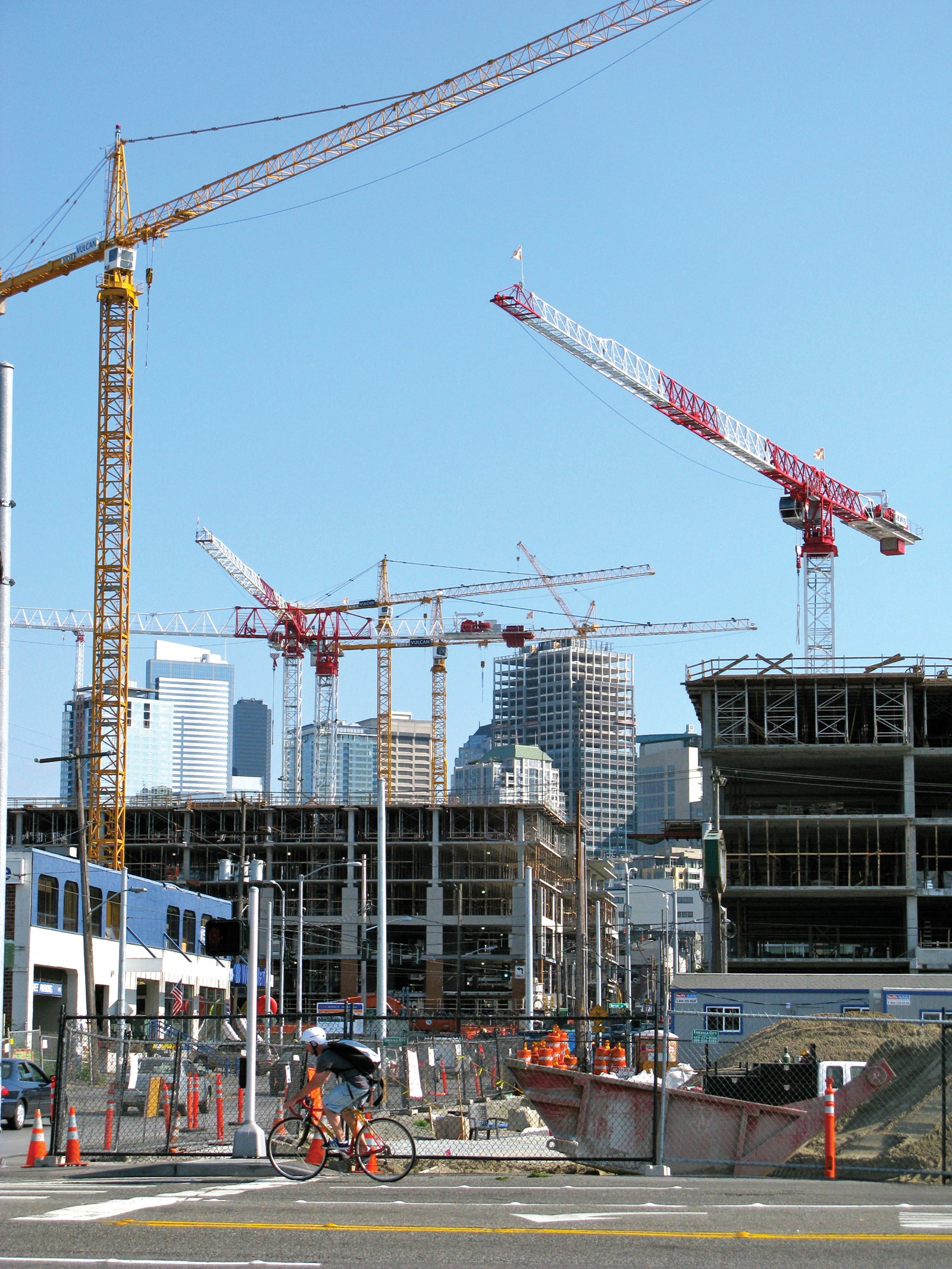
The median price of a home sold in Seattle in December 2015 was $600,000, which is almost 20 percent higher than the pre–housing bubble peak, in August 2007. Six hundred thousand dollars. Take a second to let that soak in.
Within that number lies the great contradiction at the heart of How We Live Now in Seattle. On one hand, rising home prices are indicative of an economy in the throes of riotous growth: Between 2009 and 2014, the city received more than 45,000 applications for new business licenses. Nearly 100,000 people worked in tech in 2015; Amazon alone had 24,000 Washingtonians on its payroll. And for much of last year, the unemployment rate hovered at or below a historically low 4 percent.
So assuming you own a home in Seattle and have a job that allows you to comfortably pay your mortgage, congratulations! (But do us all a favor by not taking out a celebratory home equity loan.) For everyone else, though, 2015 was the year that the housing affordability gap yawned wide like an angry fault line between socioeconomic strata.
As programmers and engineers continued streaming into South Lake Union to join Jeff Bezos’s army, an already scarce apartment market tested the boundaries of real estate sanity. Average rents increased 10 percent, to $1,582 per month, between July 2014 and July 2015. Vacancy rates were at their lowest in a decade. And with their high-end amenities, those few new units that came online catered directly to the young, affluent transplants responsible for the housing crisis. Middle-class renters who just wanted a decent place to crash were forced to decide between living close to work with a roommate (or, more likely, roommates) and schlepping to and from the suburbs every day.
That this could happen in progressive Seattle, where just one year earlier mayor Ed Murray signed into law a $15 minimum wage, was an especially cruel irony. Early in 2015, Murray convened the Housing Affordability and Livability Agenda task force to study the issue, and for the next eight months its members kicked around possible solutions, including rezoning the 65 percent of Seattle reserved for single-family housing. But in the end, Murray punted, settling for taxing developers and requiring them to build more affordable housing.
Longtime residents of any major urban area often grouse about growth sapping a city of its soul. But as Seattle learned in 2015, a soul can only grow if it’s given room to breathe.
2015
February 1
The Seahawks return to the Super Bowl, losing to the New England Patriots, thanks to a crushing last-minute interception.
May 16
Hundreds of kayakers on Elliott Bay gather to protest the Port of Seattle and Shell’s decision to drill for oil in the Arctic Circle. Shell would eventually abandon the quest due to low returns and high costs.
June 18
The U.S. Open begins at Chambers Bay, south of Tacoma, the first time the golf tournament has been held in the Pacific Northwest.
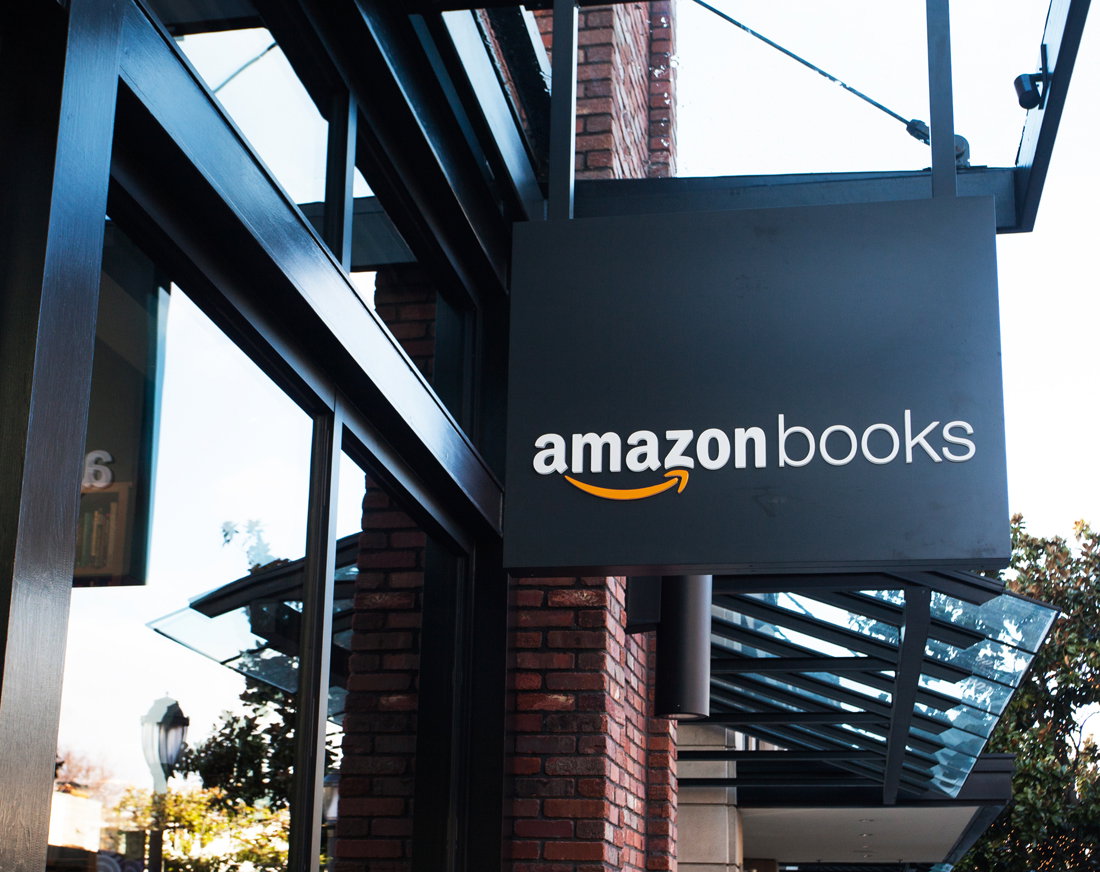
Image: Alison Klein
September 24
A Ride the Ducks vehicle crashes into a tour bus of international students on the Aurora Bridge, killing four.
November 3
Amazon opens its first physical bookstore in U Village.
Published in the 10 Years That Changed a City issue of Seattle Met.
|
|
|