<?xml version="1.0" encoding="UTF-8"?>
<rss version="2.0">
  <channel>
    <title>Insider’s Guide to Mount Rainier National Park</title>
    <description></description>
    <link>http://www.seattlemet.com/insiders-guide-to-mount-rainier-national-park</link>
    <item>
      <title>Rainier Photo Slideshow</title>
      <description>See the winning photo in the October issue of Seattle Met, on newsstands September 21.</description>
      <pubDate>Thu, 30 Aug 2012 16:38:00 -0700</pubDate>
      <link>http://www.seattlemet.com/articles/rainier-photo-slideshow</link>
      <guid>http://www.seattlemet.com/articles/rainier-photo-slideshow</guid>
    </item>
    <item>
      <title>On Not Summiting the Mountain: A Climbing Guide’s Perspective</title>
      <description>&lt;div class="inline-image-block inline-image mceNonEditable" data-crop="{&amp;quot;scaling-type&amp;quot;:&amp;quot;in-proportion&amp;quot;,&amp;quot;fill-color&amp;quot;:&amp;quot;#000000&amp;quot;,&amp;quot;height&amp;quot;:462,&amp;quot;left&amp;quot;:&amp;quot;0&amp;quot;,&amp;quot;top&amp;quot;:&amp;quot;0&amp;quot;,&amp;quot;width&amp;quot;:640,&amp;quot;scale&amp;quot;:&amp;quot;100&amp;quot;}" data-image-id="15690" data-include-caption="true" data-layout="inline-image-block"&gt;
&lt;div align="center"&gt;&lt;a class="lightbox" href="/data/images/2012/7/image/15690/0812-rainier-not-submitting.jpg"&gt; &lt;img src="../../../images/change?src=%2Fdata%2Fimages%2F2012%2F7%2Fimage%2F15690%2F0812-rainier-not-submitting.jpg&amp;amp;cropify=640x462%2B0%2B0&amp;amp;resize=640x%3E" alt="" /&gt;&lt;/a&gt;&lt;/div&gt;
&lt;/div&gt;
&lt;p class="p1"&gt;&lt;span class="s1"&gt;M&lt;/span&gt;ore than half of the climbers who try to summit Mount Rainier don&amp;rsquo;t make it. And as a guide on the state&amp;rsquo;s tallest mountain, I feel them fail.&lt;/p&gt;
&lt;p class="p3"&gt;As I trudge slowly up the mountain in the predawn hours, the rope tied around my waist and tethered to my clients will go taut until I&amp;rsquo;m leaning forward like a husky hauling a dogsled. I&amp;rsquo;ll hear the rhythmic crunch of crampons slow down. When it slows enough I&amp;rsquo;ll stop climbing, bury my ice axe in the slope, and turn to see their bodies slumped into the snow. Their breath steams in tight clouds in the beam of my headlamp. Their faces are red, sometimes desperate. They know and I know that it&amp;rsquo;s time to turn around. We call it &lt;em&gt;spinning.&lt;/em&gt;&lt;/p&gt;
&lt;p class="p3"&gt;In 2010, of the 10,643 climbers who attempted Mount Rainier, 4,920 reached the 14,410-foot summit. That&amp;rsquo;s just 46 percent of the people who trained for months and spent hundreds of dollars on ice axes, plane tickets, and lightweight titanium sporks. Almost every guided climb includes at least one climber&amp;mdash;and often several&amp;mdash;who turns around before reaching the summit. During my first five-month season as a Rainier guide, in 2009, I spun with clients at least 20 times.&lt;/p&gt;
&lt;div class="sidebar-right"&gt;
&lt;h3&gt;&amp;ldquo;He is a poor mountaineer indeed who has not returned to his home the better for the many lessons learned in solitudes.&amp;rdquo;&lt;/h3&gt;
&lt;p&gt;&amp;mdash;Photographer Asahel Curtis, who was the park&amp;rsquo;s first chief mountain guide and advocated for tourist access to the mountain on behalf of Tacoma and Seattle businesses.&lt;/p&gt;
&lt;/div&gt;
&lt;p class="p3"&gt;Ten years ago, guided climbers didn&amp;rsquo;t spin. They were left behind while the rest of group ascended, secured inside a sleeping bag and anchored to the snow or rock, and forced to wait for when everyone &lt;span class="s1"&gt;else headed back down. The practice was unofficially&lt;/span&gt; known as &amp;ldquo;bag it and tag it.&amp;rdquo; Guides would even remove a boot from the halting hiker if it looked like he or she would foolishly try &lt;span class="s1"&gt;to head down the dangerous glacier alone.&lt;/span&gt;&lt;/p&gt;
&lt;p class="p3"&gt;Since the mid-2000s, the National Park Service has specified that guided clients may not be left without a guide above Camp Muir, requiring greater client-to-guide ratios so everyone has an escort. On any given day there are as many as 50 guides on the mountain for some 150 clients.&lt;/p&gt;
&lt;p class="p3"&gt;People turn around for all kinds of reasons. Sometimes the whole group turns back because the weather is too awful, the avalanche conditions too dangerous, or the route simply too crevasse riddled. There are physical injuries like twisted ankles or sore knees. And there are the oddball cases, like the man dressed in a football uniform who gorged on energy gels and vomited in fluorescent colors for three days.&amp;nbsp;&lt;/p&gt;
&lt;p class="p3"&gt;But more often than not, the reasons for spinning are psychological&amp;mdash;something snaps deep in the chest of able-bodied climbers as we hike into the unknown. They blame the altitude, or the cold, or their gloves, or their fellow climbers, for walking too fast or too slow. They even blame the guide. Usually they admit that they&amp;rsquo;re licked and beg to descend; when they don&amp;rsquo;t, we&amp;rsquo;re trained to be kind but very firm. Behind the disappointment I can always see the relief in their eyes.&amp;nbsp;&lt;/p&gt;
&lt;p class="p3"&gt;Climbing Mount Rainier is not a passing whim; at some point, every one of those climbers wanted the summit, badly. It&amp;rsquo;s not uncommon to meet clients who have lost 50 pounds in preparation or traversed half the globe to get to Paradise. Most climbers are successful, driven, strong people&amp;mdash;doctors, Ironman triathletes, CEOs of Fortune 500 companies. To some, not summiting feels like failure. On the way down, groups follow the guide like tired goslings and the summiteers chatter with cheerful exhaustion. But the spinners are silent, curling into themselves, privately processing shame or disappointment or merely fatigue. It&amp;rsquo;s hard to watch.&lt;/p&gt;
&lt;p class="p3"&gt;But the shame, if there is any, may be fleeting. In 2008, the Mountaineering Federation of Iran conducted a study on the impact of a single mountaineering expedition on self-esteem. The statistical majority of all participating climbers experienced a lasting increase in self-worth, but &amp;ldquo;self-esteem in the participants that did not reach the [summit of] the peak improved more than that of the others.&amp;rdquo;&lt;/p&gt;
&lt;div class="sidebar-left"&gt;
&lt;h2&gt;Insider Tip&lt;/h2&gt;
&lt;p style="text-align: center;"&gt;There are more than a hundred wool hats on display&amp;mdash;not to mention a Starbucks and ice cream counter&amp;mdash;at Greenwater&amp;rsquo;s Wapiti Woolies, about 25 miles from Sunrise. Owners Bob and Debbie Grubb have made the class earflap toques here since 1974. &lt;a href="http://wapitiwoolies.com/" target="_blank"&gt;wapitiwoolies.com&lt;/a&gt;&lt;/p&gt;
&lt;/div&gt;
&lt;p class="p3"&gt;After a few years on the mountain, that finding doesn&amp;rsquo;t surprise me. People are drawn to challenges like mountaineering to find their own limits. While some can bag huge peaks without ever pushing their physical or emotional capacities, others reach their limit 15 feet above the Paradise parking lot. For the people who spin, maybe the line was physical, or it was a fear of heights or the unknown. Whatever edges they discovered, they have a better idea of their own inner workings. Some will return a half-dozen times before finally summiting, while others toss their gear on eBay and shudder at the memories.&lt;/p&gt;
&lt;p class="p3"&gt;I used to ache for words to comfort the spinners, but now I let them work through their own decompression. When we&amp;rsquo;re high on the mountain and I feel that tug on the rope behind me, I know that they&amp;rsquo;ll need a minute to sit. It&amp;rsquo;s important to breathe in the sunrise before starting the long, slow descent. There&amp;rsquo;s a climbing adage that says &amp;ldquo;The summit is for the ego, the journey is for the soul.&amp;rdquo;&lt;/p&gt;</description>
      <pubDate>Fri, 20 Jul 2012 05:00:00 -0700</pubDate>
      <link>http://www.seattlemet.com/articles/on-not-summiting-the-mountain-a-climbing-guides-perspective-august-2012</link>
      <guid>http://www.seattlemet.com/articles/on-not-summiting-the-mountain-a-climbing-guides-perspective-august-2012</guid>
    </item>
    <item>
      <title>The Sherpas of Ashford, Washington</title>
      <description>&lt;div class="inline-image-block inline-image mceNonEditable" data-crop="{&amp;quot;scaling-type&amp;quot;:&amp;quot;in-proportion&amp;quot;,&amp;quot;fill-color&amp;quot;:&amp;quot;#000000&amp;quot;,&amp;quot;height&amp;quot;:453,&amp;quot;left&amp;quot;:&amp;quot;0&amp;quot;,&amp;quot;top&amp;quot;:&amp;quot;0&amp;quot;,&amp;quot;width&amp;quot;:640,&amp;quot;scale&amp;quot;:&amp;quot;100&amp;quot;}" data-image-id="15691" data-include-caption="true" data-layout="inline-image-block"&gt;
&lt;div align="center"&gt;&lt;a class="lightbox" href="/data/images/2012/7/image/15691/0812-sherpas.jpg"&gt; &lt;img src="http://www.seattlemet.com/images/change?src=%2Fdata%2Fimages%2F2012%2F7%2Fimage%2F15691%2F0812-sherpas.jpg&amp;amp;cropify=640x453%2B0%2B0&amp;amp;resize=640x%3E" alt="" /&gt;&lt;/a&gt;
&lt;div class="inline-image-caption mceNonEditable" style="width: 640px;"&gt;
&lt;div&gt;Image: &lt;a class="attribution-link" href="/producers/amanda-paredes"&gt;Amanda Paredes&lt;/a&gt;&lt;/div&gt;
&lt;/div&gt;
&lt;/div&gt;
&lt;/div&gt;
&lt;p class="p1"&gt;&lt;span class="s1"&gt;I&lt;/span&gt;n the bump-on-the-road town of Ashford, which starts just outside of the Park&amp;rsquo;s southwest gate, there aren&amp;rsquo;t a lot of things: No McDonald&amp;rsquo;s. No stoplights. Definitely no fine dining. But there is a Nepali restaurant serving the specialties of an ethnic community some 7,000 miles away. Call it Ashford&amp;rsquo;s own International District.&lt;/p&gt;
&lt;p class="p3"&gt;Pawan Lama Sherpa took over Wildberry Restaurant just three years ago, and half the menu echoes the American grill offerings that dot State Route 706: burgers, trout, blackberry pie. But then there&amp;rsquo;s the traditional Sherpa menu, similar to what Pawan served at his lodge in the town of Lukla near Mount Everest base camp. They don&amp;rsquo;t serve nearly as much yak down the road.&lt;/p&gt;
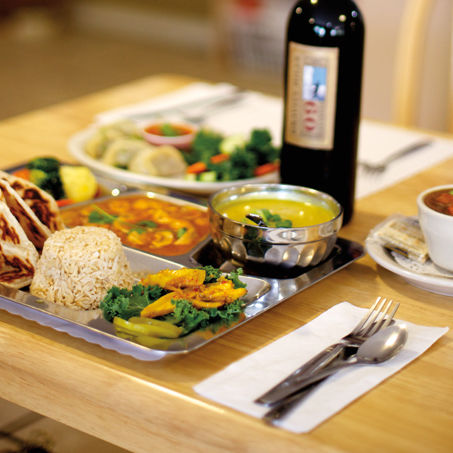
&lt;p class="p3"&gt;The fare is what Pawan calls &amp;ldquo;spicy but not really,&amp;rdquo; reminiscent of Indian food in the curries and naanlike bread, but heavier and milder. &lt;em&gt;Chyau ko tarkari&lt;/em&gt; is a mushroom curry served &lt;em&gt;thali&lt;/em&gt;-style on a divided tray, the warm yellows of lentils and pickled mango contrasting the brown rice and side of carrots. Sherpa stew is a thick, dark-brown mixture of beef, veggies, and dumplings. &amp;ldquo;Sherpas use it in cold weather for getting warm,&amp;rdquo; says Pawan, though the Sherpa tea, a belly-toasting brew of cardamom and cinnamon, is almost as effective.&lt;/p&gt;
&lt;p class="p3"&gt;The Nepalase culture bonanza actually makes a lot of sense, even in this town of exactly 217 people. The mountain next door is popular among Mount Everest&amp;ndash;bound climbers; mountaineers looking to hone their glacier skills stateside can&amp;rsquo;t get much closer to a large metro area. Hang out in the Paradise parking lot, just 30 minutes up the road, and you&amp;rsquo;ve got a good chance of seeing a Sherpa who holds the speed-climbing record for Everest but guides on Rainier as a day job.&amp;nbsp;&lt;/p&gt;
&lt;p class="p3"&gt;Like Pawan, many Sherpas are identified by their common last name. The ethnic group comes from high in the Himalayas and are best known for their work as high-altitude porters and guides. They know a little something about warming up in cold weather&amp;mdash;but then again, so do wet Washingtonians.&amp;nbsp;&lt;/p&gt;</description>
      <pubDate>Fri, 20 Jul 2012 05:00:00 -0700</pubDate>
      <link>http://www.seattlemet.com/articles/the-sherpas-of-ashford-washington-august-2012</link>
      <guid>http://www.seattlemet.com/articles/the-sherpas-of-ashford-washington-august-2012</guid>
    </item>
    <item>
      <title>Insider’s Guide to Mount Rainier National Park</title>
      <description>&lt;div class="inline-image-block inline-image mceNonEditable" data-crop="{&amp;quot;scaling-type&amp;quot;:&amp;quot;in-proportion&amp;quot;,&amp;quot;fill-color&amp;quot;:&amp;quot;#000000&amp;quot;,&amp;quot;height&amp;quot;:413,&amp;quot;left&amp;quot;:&amp;quot;0&amp;quot;,&amp;quot;top&amp;quot;:&amp;quot;0&amp;quot;,&amp;quot;width&amp;quot;:620,&amp;quot;scale&amp;quot;:&amp;quot;100&amp;quot;}" data-image-id="15678" data-include-caption="true" data-layout="inline-image-block"&gt;
&lt;div align="center"&gt;&lt;a class="lightbox" href="/data/images/2012/7/image/15678/0812-mt-rainier-Mowich-Lake.jpg"&gt; &lt;img src="http://www.seattlemet.com/images/change?src=%2Fdata%2Fimages%2F2012%2F7%2Fimage%2F15678%2F0812-mt-rainier-Mowich-Lake.jpg&amp;amp;cropify=620x413%2B0%2B0&amp;amp;resize=620x%3E" alt="" /&gt;&lt;/a&gt;
&lt;div class="inline-image-caption mceNonEditable" style="width: 620px;"&gt;
&lt;div&gt;Image: &lt;a class="attribution-link" href="/producers/jeff-marsh--4"&gt;Jeff Marsh&lt;/a&gt;&lt;/div&gt;
&lt;/div&gt;
&lt;/div&gt;
&lt;/div&gt;
&lt;p&gt;&lt;span class="s1"&gt;&lt;span class="s1"&gt;Ever been on a flight into Sea-Tac and seen a passenger smush her nose to the window when the airplane passes Mount Rainier? Ever been that gawker?&lt;/span&gt;&lt;/span&gt;&lt;/p&gt;
&lt;p&gt;&lt;span class="s1"&gt;It&amp;rsquo;s hard not to rubberneck at our massive lump of a mountain. It&amp;rsquo;s at turns regal and coy, reassuring and ethereal; always 60 miles southeast of downtown Seattle and always squatting 14,410 feet high. We just can&amp;rsquo;t always see it.&lt;/span&gt;&lt;/p&gt;
&lt;p class="p1"&gt;People have been poking around, sleeping next to, and sitting atop Mount Rainier for centuries. Its subalpine meadows, thick with wildflowers, were the hunting grounds for native tribes. They didn&amp;rsquo;t have to worry much about the volcano blowing its top; it has always been quieter than Mount St. Helens next door and hasn&amp;rsquo;t fully erupted since the early days of the Holy Roman Empire. It was 1792 when, in the logbook of the H.M.S. &lt;em&gt;Discovery&lt;/em&gt;, explorer George Vancouver slapped the name &amp;ldquo;Rainier&amp;rdquo; on the mountain, but the name wasn&amp;rsquo;t fully settled until 1939. Many preferred &amp;ldquo;Tacoma,&amp;rdquo; a variation on an Indian word&amp;mdash;especially in the city of Tacoma.&lt;/p&gt;
&lt;div class="sidebar-right"&gt;
&lt;h3&gt;&amp;ldquo;&amp;hellip;Swelling up from the plain and out of the green forest till its lofty triple summit towered immeasurably&amp;hellip;all this impressed me so indescribably.&amp;rdquo;&lt;/h3&gt;
&lt;p&gt;&amp;mdash;Philemon B. Van Trump, the first nonindigenous man to summit Rainier&lt;/p&gt;
&lt;/div&gt;
&lt;p class="p1"&gt;Rainier brings out the enthusiast in everyone. Theodore Roosevelt once, while making a case for the &amp;ldquo;Tacoma&amp;rdquo; moniker, called it &amp;ldquo;our noblest landmark.&amp;rdquo; Naturalist John Muir, better known for wildlife contemplation than bagging summits, visited in 1888 and told his wife, &amp;ldquo;I didn&amp;rsquo;t mean to climb it, but got carried away.&amp;rdquo; Just as soon as the National Park concept was invented, the peak was up for preservation: In 1899 it was the fifth chunk of land to get the status, coming in soon after Yellowstone and Yosemite.&amp;nbsp;&lt;/p&gt;
&lt;p class="p1"&gt;The park became everyone&amp;rsquo;s playground, home to horseback pack trips and alpinists in wooly sweaters and wooden skis on a rope tow. An inn anchored the main visitor&amp;rsquo;s destination of Paradise on the south side, while to the north, Sunrise was named for its idyllic dawn view. For climbers, the 25 glaciers are our own private Everest, and 5,000 reach the summit every year.&amp;nbsp;&lt;/p&gt;
&lt;p class="p1"&gt;Today nearly two million visitors enter the national park annually, not to ski or ride but to hike, camp, and drink in the grandeur of our giant. It hovers maternally over our city, but we can never forget that Rainier is a wild thing. The people who protect it perform great heroics; in 2012 alone we grieved for ranger Margaret Anderson, killed on New Year&amp;rsquo;s Day while keeping a wild shooter from Paradise, and ranger Nick Hall, who rescued stranded climbers in June before a fatal fall into a high-mountain crevasse.&lt;/p&gt;
&lt;p class="p1"&gt;Our mountain traces an indelible impression on the Northwest landscape. It&amp;rsquo;s not hard to make a case for Mount Rainier; it&amp;rsquo;s practically our state logo, our totem. We all stake a personal claim on the craggy monster in the mist, even when it isn&amp;rsquo;t out.&lt;/p&gt;</description>
      <pubDate>Thu, 19 Jul 2012 05:00:00 -0700</pubDate>
      <link>http://www.seattlemet.com/articles/insider-s-guide-to-mount-rainier-national-park-august-2012</link>
      <guid>http://www.seattlemet.com/articles/insider-s-guide-to-mount-rainier-national-park-august-2012</guid>
    </item>
    <item>
      <title>Mount Rainier’s Wildlife and Wildflowers</title>
      <description>&lt;div class="inline-image-block inline-image mceNonEditable" data-crop="{&amp;quot;id&amp;quot;:15680,&amp;quot;width&amp;quot;:&amp;quot;220&amp;quot;,&amp;quot;height&amp;quot;:&amp;quot;176&amp;quot;,&amp;quot;top&amp;quot;:&amp;quot;0&amp;quot;,&amp;quot;left&amp;quot;:&amp;quot;0&amp;quot;,&amp;quot;scale_width&amp;quot;:&amp;quot;150&amp;quot;}" data-image-id="15680" data-include-caption="true" data-layout="inline-image-block"&gt;
&lt;div align="center"&gt;&lt;a class="lightbox" href="/data/images/2012/7/image/15680/bear.jpg"&gt; &lt;img src="../../../images/change?src=%2Fdata%2Fimages%2F2012%2F7%2Fimage%2F15680%2Fbear.jpg&amp;amp;cropify=220x176%2B0%2B0&amp;amp;resize=150x%3E" alt="" /&gt;&lt;/a&gt;&lt;/div&gt;
&lt;/div&gt;
&lt;p class="p1"&gt;&lt;strong class="small-title"&gt;Bear&lt;/strong&gt;&lt;br /&gt;Sight a black bear&amp;mdash;no grizzlies&amp;mdash;in the Mazama Ridge area east of Paradise in late summer; train binoculars to the open meadows.&lt;strong&gt;&lt;span class="small-title"&gt;&amp;nbsp;&lt;/span&gt;&lt;/strong&gt;&lt;/p&gt;
&lt;div class="inline-image-block inline-image mceNonEditable" data-crop="{&amp;quot;id&amp;quot;:15682,&amp;quot;width&amp;quot;:&amp;quot;200&amp;quot;,&amp;quot;height&amp;quot;:&amp;quot;215&amp;quot;,&amp;quot;top&amp;quot;:&amp;quot;0&amp;quot;,&amp;quot;left&amp;quot;:&amp;quot;0&amp;quot;,&amp;quot;scale_width&amp;quot;:&amp;quot;150&amp;quot;}" data-image-id="15682" data-include-caption="true" data-layout="inline-image-block"&gt;
&lt;div align="center"&gt;&lt;a class="lightbox" href="/data/images/2012/7/image/15682/duck.jpg"&gt; &lt;img src="../../../images/change?src=%2Fdata%2Fimages%2F2012%2F7%2Fimage%2F15682%2Fduck.jpg&amp;amp;cropify=200x215%2B0%2B0&amp;amp;resize=150x%3E" alt="" /&gt;&lt;/a&gt;&lt;/div&gt;
&lt;/div&gt;
&lt;p class="p1"&gt;&lt;span class="s1"&gt;&lt;strong&gt;&lt;span class="small-title"&gt;Harlequin Ducks&lt;/span&gt;&lt;br /&gt;&lt;/strong&gt;&lt;/span&gt;They&amp;rsquo;re not as populous as the&amp;nbsp;camp robber jays that frequent the picnic areas, but these colorfully striped birds line the Nisqually&amp;nbsp;and Ohanapecosh rivers.&lt;/p&gt;
&lt;div class="inline-image-block inline-image mceNonEditable" data-crop="{&amp;quot;id&amp;quot;:15679,&amp;quot;width&amp;quot;:&amp;quot;220&amp;quot;,&amp;quot;height&amp;quot;:&amp;quot;199&amp;quot;,&amp;quot;top&amp;quot;:&amp;quot;0&amp;quot;,&amp;quot;left&amp;quot;:&amp;quot;0&amp;quot;,&amp;quot;scale_width&amp;quot;:&amp;quot;150&amp;quot;}" data-image-id="15679" data-include-caption="true" data-layout="inline-image-block"&gt;
&lt;div align="center"&gt;&lt;a class="lightbox" href="/data/images/2012/7/image/15679/goat.jpg"&gt; &lt;img src="../../../images/change?src=%2Fdata%2Fimages%2F2012%2F7%2Fimage%2F15679%2Fgoat.jpg&amp;amp;cropify=220x199%2B0%2B0&amp;amp;resize=150x%3E" alt="" /&gt;&lt;/a&gt;&lt;/div&gt;
&lt;/div&gt;
&lt;p class="p1"&gt;&lt;span class="s1"&gt;&lt;strong&gt;&lt;span class="small-title"&gt;Mountain Goats&lt;/span&gt;&lt;br /&gt;&lt;/strong&gt;&lt;/span&gt;The shaggy goats stay in the alpine and subalpine areas and are more elusive here than in the Olympics. They&amp;rsquo;re best spotted above Sunrise on Burroughs Mountain or at Panhandle Gap.&amp;nbsp;&lt;strong&gt;&lt;span class="small-title"&gt;&amp;nbsp;&lt;/span&gt;&lt;/strong&gt;&lt;/p&gt;
&lt;div class="inline-image-block inline-image mceNonEditable" data-crop="{&amp;quot;id&amp;quot;:15681,&amp;quot;width&amp;quot;:&amp;quot;200&amp;quot;,&amp;quot;height&amp;quot;:&amp;quot;268&amp;quot;,&amp;quot;top&amp;quot;:&amp;quot;0&amp;quot;,&amp;quot;left&amp;quot;:&amp;quot;0&amp;quot;,&amp;quot;scale_width&amp;quot;:&amp;quot;150&amp;quot;}" data-image-id="15681" data-include-caption="true" data-layout="inline-image-block"&gt;
&lt;div align="center"&gt;&lt;a class="lightbox" href="/data/images/2012/7/image/15681/lupine.jpg"&gt; &lt;img src="../../../images/change?src=%2Fdata%2Fimages%2F2012%2F7%2Fimage%2F15681%2Flupine.jpg&amp;amp;cropify=200x268%2B0%2B0&amp;amp;resize=150x%3E" alt="" /&gt;&lt;/a&gt;&lt;/div&gt;
&lt;/div&gt;
&lt;p class="p1"&gt;&lt;span class="s1"&gt;&lt;strong&gt;&lt;span class="small-title"&gt;Lupine&lt;/span&gt;&lt;br /&gt;&lt;/strong&gt;&lt;/span&gt;Easier to spot than the animals (and not nearly as shy), the bluish purple flowers fill the meadows above Paradise in late summer.&amp;nbsp;&lt;/p&gt;
&lt;div class="inline-image-block inline-image mceNonEditable" data-crop="{&amp;quot;id&amp;quot;:15683,&amp;quot;width&amp;quot;:&amp;quot;200&amp;quot;,&amp;quot;height&amp;quot;:&amp;quot;418&amp;quot;,&amp;quot;top&amp;quot;:&amp;quot;0&amp;quot;,&amp;quot;left&amp;quot;:&amp;quot;0&amp;quot;,&amp;quot;scale_width&amp;quot;:&amp;quot;120&amp;quot;}" data-image-id="15683" data-include-caption="true" data-layout="inline-image-block"&gt;
&lt;div align="center"&gt;&lt;a class="lightbox" href="/data/images/2012/7/image/15683/paintbrush.jpg"&gt; &lt;img src="../../../images/change?src=%2Fdata%2Fimages%2F2012%2F7%2Fimage%2F15683%2Fpaintbrush.jpg&amp;amp;cropify=200x418%2B0%2B0&amp;amp;resize=120x%3E" alt="" /&gt;&lt;/a&gt;&lt;/div&gt;
&lt;/div&gt;
&lt;p class="p1"&gt;&lt;span class="s1"&gt;&lt;strong&gt;&lt;span class="small-title"&gt;Indian Paintbrush&lt;/span&gt;&lt;br /&gt;&lt;/strong&gt;&lt;/span&gt;Two varieties&amp;mdash;magenta and scarlet&amp;mdash;are often seen in subalpine meadows and along trails. Find giant bursts of flowery color in the loop around Tipsoo Lake.&lt;/p&gt;</description>
      <pubDate>Thu, 19 Jul 2012 05:00:00 -0700</pubDate>
      <link>http://www.seattlemet.com/articles/mount-rainier-s-wildlife-and-wildflowers-august-2012</link>
      <guid>http://www.seattlemet.com/articles/mount-rainier-s-wildlife-and-wildflowers-august-2012</guid>
    </item>
    <item>
      <title>Mount Rainier’s Red Fox Menace</title>
      <description>&lt;div class="inline-image-block inline-image mceNonEditable" data-crop="{&amp;quot;scaling-type&amp;quot;:&amp;quot;in-proportion&amp;quot;,&amp;quot;fill-color&amp;quot;:&amp;quot;#000000&amp;quot;,&amp;quot;height&amp;quot;:277,&amp;quot;left&amp;quot;:&amp;quot;0&amp;quot;,&amp;quot;top&amp;quot;:&amp;quot;0&amp;quot;,&amp;quot;width&amp;quot;:420,&amp;quot;scale&amp;quot;:&amp;quot;100&amp;quot;}" data-image-id="15684" data-include-caption="true" data-layout="inline-image-block"&gt;
&lt;div align="center"&gt;&lt;a class="lightbox" href="/data/images/2012/7/image/15684/0812-fox.jpg"&gt; &lt;img src="../../../images/change?src=%2Fdata%2Fimages%2F2012%2F7%2Fimage%2F15684%2F0812-fox.jpg&amp;amp;cropify=420x277%2B0%2B0&amp;amp;resize=420x%3E" alt="" /&gt;&lt;/a&gt;&lt;/div&gt;
&lt;/div&gt;
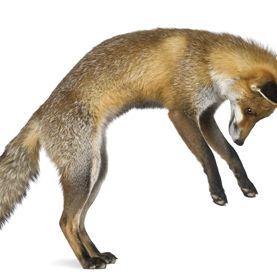
&lt;p class="p1"&gt;&lt;span class="s1"&gt;R&lt;/span&gt;ed foxes were once a prized sighting at Mount Rainier. I&amp;rsquo;d been going to the mountain for nearly a quarter century before I saw one. But this year I&amp;rsquo;ve seen three foxes in three trips. That&amp;rsquo;s not good luck. That&amp;rsquo;s a problem.&lt;/p&gt;
&lt;p class="p3"&gt;Over the past few years Rainier&amp;rsquo;s red foxes have discovered that humans are generous slobs. We rain crumbs from our pockets, picnic tables, and Subarus. Presented with a safe, easy supply of food, foxes do what all species do: They adapt.&lt;/p&gt;
&lt;p class="p3"&gt;&amp;ldquo;They&amp;rsquo;ve learned to forage in parking lots and along roadways,&amp;rdquo; Mason Reid told me recently. Reid, a 54-year-old National Park Service wildlife ecologist, spends part of his working day tracking the foxes&amp;mdash;he&amp;rsquo;s currently got GPS radio collars on three of them&amp;mdash;and devising strategies to make them a little less louche around humans.&amp;nbsp;&lt;/p&gt;
&lt;p class="p3"&gt;The thing is, Reid doesn&amp;rsquo;t have a fox problem. He&amp;rsquo;s got a people problem.&amp;nbsp;&lt;/p&gt;
&lt;p class="p3"&gt;Once spotted, a fox is nearly impossible to resist. One Paradise loiterer is a silver-phase red fox; its gray-tipped black fur gives it the look of a streamlined wolf. Back in April, I spied it parading atop a roadside snowbank like a cheap hooker strutting her wares. I stopped and watched, mesmerized. The fox padded with such silent grace. When it began moving toward me with an &lt;br /&gt; expectant &amp;ldquo;got grub?&amp;rdquo; look, I left the scene a little sadder for the encounter. A fox that advances on a human is a fox whose days are numbered. I resisted the urge to buy his attention with foodstuffs, but others won&amp;rsquo;t.&lt;/p&gt;
&lt;div class="sidebar-right"&gt;
&lt;h2&gt;Insider Tip&amp;nbsp;&lt;/h2&gt;
&lt;p style="text-align: center;"&gt;&lt;em&gt;The mountain&amp;rsquo;s best sunrise view isn&amp;rsquo;t actually right at Sunrise. Pull off the road just before that visitor center, at Sunrise Point, to catch the sun&amp;rsquo;s first rays and views of five volcanoes: &lt;br /&gt;Mounts Baker, Adams, Hood, and Rainier, plus Glacier Peak.&lt;/em&gt;&lt;/p&gt;
&lt;/div&gt;
&lt;p class="p3"&gt;At Yellowstone, the problem required a public campaign so relentless that its simple slogan&amp;mdash;&amp;ldquo;Don&amp;rsquo;t Feed the Bears&amp;rdquo;&amp;mdash;became part of the vernacular. Maybe we need a similar slogan. &amp;ldquo;Let Them Eat Chipmunks&amp;rdquo;? Or perhaps a little Dr. Seuss: &amp;ldquo;Fed Fox, Dead Fox.&amp;rdquo;&amp;nbsp;We&amp;rsquo;ve seen this before. In the 1950s, Yellowstone visitors lined up to feed black bears and grizzlies from the comfort of their Oldsmobiles. It took generations to return the bears to their natural human-wary state. In the meantime, a lot of bears became aggressive &amp;ldquo;problem bears&amp;rdquo; and were killed because of it. At Rainier, the foxes don&amp;rsquo;t even need to get pushy to become problems; they just have to get close. Reid is already counting the toll taken by the allure of humans and our roads. &amp;ldquo;We&amp;rsquo;ve had five foxes injured or killed by vehicles over the past few years,&amp;rdquo; he says.&amp;nbsp;&lt;/p&gt;
&lt;p class="p3"&gt;Reid&amp;rsquo;s open to suggestions. Last summer a ranger tried scaring off the foxes with a Super Soaker. That had limited effect. Now park officials are talking about writing up $150 citations for visitors caught feeding the critters. &amp;ldquo;We need the public to do its part,&amp;rdquo; Reid says. &amp;ldquo;We need to let these foxes be a natural species again.&amp;rdquo;&amp;nbsp;&lt;/p&gt;</description>
      <pubDate>Thu, 19 Jul 2012 05:00:00 -0700</pubDate>
      <link>http://www.seattlemet.com/articles/mount-rainier-s-red-fox-menace-august-2012</link>
      <guid>http://www.seattlemet.com/articles/mount-rainier-s-red-fox-menace-august-2012</guid>
    </item>
    <item>
      <title>In and Around the National Park</title>
      <description>&lt;div class="inline-image-block inline-image mceNonEditable" data-crop="{&amp;quot;scaling-type&amp;quot;:&amp;quot;in-proportion&amp;quot;,&amp;quot;fill-color&amp;quot;:&amp;quot;#000000&amp;quot;,&amp;quot;height&amp;quot;:433,&amp;quot;left&amp;quot;:&amp;quot;0&amp;quot;,&amp;quot;top&amp;quot;:&amp;quot;0&amp;quot;,&amp;quot;width&amp;quot;:640,&amp;quot;scale&amp;quot;:&amp;quot;100&amp;quot;}" data-image-id="15685" data-include-caption="true" data-layout="inline-image-block"&gt;
&lt;div align="center"&gt;&lt;a class="lightbox" href="/data/images/2012/7/image/15685/0812-rainier-map.jpg"&gt; &lt;img src="../../../images/change?src=%2Fdata%2Fimages%2F2012%2F7%2Fimage%2F15685%2F0812-rainier-map.jpg&amp;amp;cropify=640x433%2B0%2B0&amp;amp;resize=640x%3E" alt="" /&gt;&lt;/a&gt;&lt;/div&gt;
&lt;/div&gt;
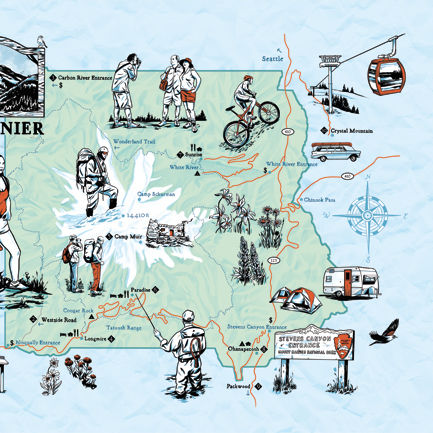
&lt;p class="p1"&gt;&lt;span class="s1"&gt;&lt;strong&gt;Ashford&lt;br /&gt;&lt;/strong&gt;&lt;/span&gt;The town is little more than a loose string of rental cabins, mountaineering shops, and restaurants, but it&amp;rsquo;s home base for much of the park&amp;rsquo;s outdoor activity.&lt;/p&gt;
&lt;p class="p1"&gt;&lt;span class="s1"&gt;&lt;strong&gt;Westside Road&lt;br /&gt;&lt;/strong&gt;&lt;/span&gt;Another washout closed the route in the late 1980s, making trails on the park&amp;rsquo;s west side less accessible to day hikers. Intrepid backpackers head to backcountry ranger cabins, a fire lookout, and high alpine meadows at&amp;nbsp;the road&amp;rsquo;s end.&lt;strong&gt;&amp;nbsp;&lt;/strong&gt;&lt;/p&gt;
&lt;p class="p1"&gt;&lt;span class="s1"&gt;&lt;strong&gt;Carbon River Entrance &lt;br /&gt;&lt;/strong&gt;&lt;/span&gt;Floods washed out the road shortly past the park&amp;rsquo;s northwestern entrance, but bikers and hikers can trek five miles into the Ipsut Creek campsites. A summer-only dirt road five miles south, Route 165, leads to another walk-in campground at Mowich Lake.&lt;/p&gt;
&lt;p class="p1"&gt;&lt;span class="s1"&gt;&lt;strong&gt;Longmire&lt;br /&gt;&lt;/strong&gt;&lt;/span&gt;Open year-round, the complex of administrative buildings sits on the Nisqually River at half the elevation of Paradise, meaning it&amp;rsquo;s snow-free for more months of the year. Next to the museum and general store, the wide front porch of the rustic National Park&amp;nbsp;Inn faces a brilliant view of Rainier&amp;mdash;when the mountain is out,&amp;nbsp;of course.&amp;nbsp;&lt;/p&gt;
&lt;p class="p1"&gt;&lt;span class="s1"&gt;&lt;strong&gt;Camp Muir&lt;br /&gt;&lt;/strong&gt;&lt;/span&gt;At just over 10,000 feet, the climbing camp is comprised of a few buildings tucked into a nook on the mountain&amp;rsquo;s side. The rock shelter dates back to 1921, and John Muir rested at this site on his own ascent of the mountain.&amp;nbsp;&lt;/p&gt;
&lt;p class="p1"&gt;&lt;span class="s1"&gt;&lt;strong&gt;Paradise&lt;br /&gt;&lt;/strong&gt;&lt;/span&gt;The name is no exaggeration. When the wildflowers bloom at Mount Rainier&amp;rsquo;s biggest visitor&amp;rsquo;s area, the meadows are as lush as any celestial kingdom. The Paradise Inn, new Henry M. Jackson Memorial Visitor Center, Nisqually Glacier overlooks, and climbing center draw so many tourists that a shuttle service from Longmire eases &lt;span class="s2"&gt;congestion on summer &lt;/span&gt;weekends.&lt;/p&gt;
&lt;p class="p1"&gt;&lt;span class="s1"&gt;&lt;strong&gt;Sunrise&lt;br /&gt;&lt;/strong&gt;&lt;/span&gt;The morning sun puts on a show at the park&amp;rsquo;s northeastern hub, which at 6,400 feet is the highest spot you can drive to in the park. There are vistas of the Emmons and Winthrop glaciers, and down below is the deep V of the White River Valley.&lt;/p&gt;
&lt;p class="p1"&gt;&lt;span class="s3"&gt;&lt;strong&gt;Ohanapecosh&lt;br /&gt;&lt;/strong&gt;&lt;/span&gt;The park&amp;rsquo;s biggest campground lies in an old-growth forest on its southeastern, warmer side. The name&amp;mdash;say it &amp;ldquo;oh-han-na-peck-osh&amp;rdquo;&amp;mdash;comes from the Cowlitz people. A visitor&amp;rsquo;s center and interpretive trails sit across from the tent and RV sites.&lt;/p&gt;
&lt;p class="p1"&gt;&lt;span class="s1"&gt;&lt;strong&gt;Packwood&lt;br /&gt;&lt;/strong&gt;&lt;/span&gt;More a hunting and fishing town than a mountain sports one, the Highway 12 destination is notable&amp;nbsp;for greasy spoons and its proximity to both Mount Rainier and Mount St. Helens.&amp;nbsp;&lt;/p&gt;
&lt;p class="p1"&gt;&lt;span class="s1"&gt;&lt;strong&gt;Crystal Mountain&lt;br /&gt;&lt;/strong&gt;&lt;/span&gt;The ski area transforms in summer to an outdoor sports mecca, turning downhill slopes into hiking and biking trails. The state&amp;rsquo;s highest restaurant, the Summit House, has a mountain view at the top of the gondola.&lt;/p&gt;</description>
      <pubDate>Thu, 19 Jul 2012 05:00:00 -0700</pubDate>
      <link>http://www.seattlemet.com/articles/in-and-around-the-national-park-august-2012</link>
      <guid>http://www.seattlemet.com/articles/in-and-around-the-national-park-august-2012</guid>
    </item>
    <item>
      <title>Where to Stay in Mount Rainier National Park</title>
      <description>&lt;div class="inline-image-block inline-image mceNonEditable" data-crop="{&amp;quot;scaling-type&amp;quot;:&amp;quot;in-proportion&amp;quot;,&amp;quot;fill-color&amp;quot;:&amp;quot;#000000&amp;quot;,&amp;quot;height&amp;quot;:385,&amp;quot;left&amp;quot;:&amp;quot;0&amp;quot;,&amp;quot;top&amp;quot;:&amp;quot;0&amp;quot;,&amp;quot;width&amp;quot;:640,&amp;quot;scale&amp;quot;:&amp;quot;100&amp;quot;}" data-image-id="15686" data-include-caption="true" data-layout="inline-image-block"&gt;
&lt;div align="center"&gt;&lt;a class="lightbox" href="/data/images/2012/7/image/15686/0812-rainier-camping.jpg"&gt; &lt;img src="../../../images/change?src=%2Fdata%2Fimages%2F2012%2F7%2Fimage%2F15686%2F0812-rainier-camping.jpg&amp;amp;cropify=640x385%2B0%2B0&amp;amp;resize=640x%3E" alt="" /&gt;&lt;/a&gt;&lt;/div&gt;
&lt;/div&gt;
&lt;p class="small-title"&gt;&lt;strong&gt;Under a Roof&lt;/strong&gt;&lt;/p&gt;
&lt;p class="p1"&gt;&lt;strong&gt;National Park Inn&lt;br /&gt;&lt;/strong&gt;Open year-round and snow free before almost anything else in the park, Longmire serves as a kind of home base for Mount Rainier operations. Most of the 25 hotel rooms are small and have shared bathrooms, but there&amp;rsquo;s elbow room on a chair-lined front porch, the perfect place to eat ice cream and view the mountain. &lt;a href="http://www.mtrainierguestservices.com/" target="_blank"&gt;&lt;em&gt;mtrainierguestservices.com&lt;/em&gt;&lt;/a&gt;&amp;ensp;&lt;span class="s1"&gt;LONGMIRE&lt;/span&gt;&lt;/p&gt;
&lt;p class="p1"&gt;&lt;strong&gt;Paradise Inn&lt;br /&gt;&lt;/strong&gt;Recent renovations have spruced up the circa-1916 hotel, but its true charms are the unchanged stone fireplaces on both ends of the massive great room. Under the steep roof&amp;mdash;all the better to shake the record snowfall&amp;mdash;are dormer windows, snug rooms, and thick wooden beams. &lt;a href="http://www.mtrainierguestservices.com/" target="_blank"&gt;&lt;em&gt;mtrainierguestservices.com&lt;/em&gt;&lt;/a&gt; &lt;span class="s1"&gt;PARADISE&lt;/span&gt;&lt;/p&gt;
&lt;p class="p2"&gt;&lt;span class="s2"&gt;&lt;strong&gt;Alta Crystal Resort&lt;/strong&gt;&lt;/span&gt;&lt;strong&gt; &lt;br /&gt;&lt;/strong&gt;The family that runs this hotel northwest of the mountain is more than hospitable, it&amp;rsquo;s &lt;em&gt;involved. &lt;/em&gt;Like put--marshmallows-on-your-s&amp;rsquo;more-stick-at-the-evening-campfire involved. A heated outdoor pool and hot tub sit near the front of the property, while an isolated honeymoon cabin is discretely tucked into the woods. &lt;a href="http://www.altacrystalresort.com/" target="_blank"&gt;&lt;em&gt;altacrystalresort.com&lt;/em&gt;&lt;/a&gt; &lt;span class="s1"&gt;NEAR CRYSTAL MOUNTAIN&lt;/span&gt;&lt;/p&gt;
&lt;p class="p2"&gt;&lt;span class="s2"&gt;&lt;strong&gt;Cedar Creek Treehouse&lt;/strong&gt;&lt;/span&gt; &lt;br /&gt; Sleep a startling 50 feet above a burbling creek in the branches of a 200-year-old Western red cedar. A spiral staircase winds up a Douglas fir to a swingy suspension bridge and tree-house observatory a dizzying 100 feet off the ground, offering a stomach-spinning view also available to those who take the hour-long tour led by the&amp;nbsp;designer, builder, and owner. &lt;a href="http://cedarcreektreehouse.com/" target="_blank"&gt;&lt;em&gt;cedarcreektreehouse.com&lt;/em&gt;&lt;/a&gt;&lt;strong&gt; &lt;/strong&gt;&lt;span class="s1"&gt;ASHFORD&lt;/span&gt;&lt;/p&gt;
&lt;p class="p1"&gt;&lt;strong&gt;Wellspring Spa&lt;br /&gt;&lt;/strong&gt;The best log cabins on this woody compound have a full kitchen, a Jacuzzi tub, feather beds, and fireplaces made of massive river rocks; another has a private Zen garden. Outdoor hot tubs also dot the property. &lt;a href="http://wellspringspa.com/" target="_blank"&gt;&lt;em&gt;wellspringspa.com&lt;/em&gt;&lt;/a&gt; &lt;span class="s1"&gt;Ashford&lt;/span&gt;&lt;/p&gt;
&lt;div class="sidebar-right"&gt;
&lt;h2&gt;Insider Tip&lt;/h2&gt;
&lt;p style="text-align: center;"&gt;Stevens Canyon Road, which connects Paradise to the Ohanapecosh area within the park, will close September 4 for repairs. Make the drive before then to ride its mountain-hugging turns.&lt;/p&gt;
&lt;/div&gt;
&lt;p class="small-title"&gt;&lt;span class="s1"&gt;&lt;strong&gt;In a Tent&lt;/strong&gt;&lt;/span&gt;&amp;nbsp;&amp;nbsp;&lt;/p&gt;
&lt;p class="p1"&gt;&lt;strong&gt;Cougar Rock&amp;nbsp;&lt;br /&gt;&lt;/strong&gt;With primo placement between Longmire and Paradise, there&amp;rsquo;s hardly a bad spot in the 178 heavily wooded campsites. The five group sites, especially F1, provide ample parking and privacy for crews of a dozen or more.&amp;nbsp;&lt;/p&gt;
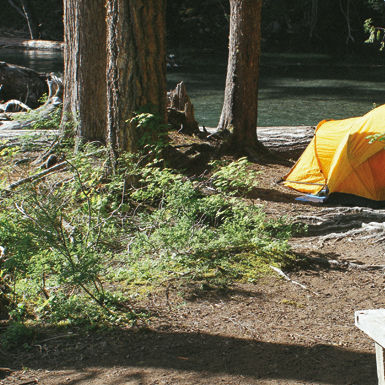
&lt;p class="p1"&gt;&lt;strong&gt;Ohanapecosh&amp;nbsp;&lt;br /&gt;&lt;/strong&gt;The Park&amp;rsquo;s biggest campground boasts both old-growth forests and a dry east-of-the-peak climate, and almost every site on Loop C borders a river or creek.&amp;nbsp;Reservations are required&amp;nbsp;on summer weekends.&lt;/p&gt;
&lt;p class="p3"&gt;&lt;strong&gt;White River&amp;nbsp;&lt;br /&gt;&lt;/strong&gt;Since you can&amp;rsquo;t reserve one of the 112 sites near Sunrise, motor up early to grab D20 or D22&amp;mdash;they&amp;rsquo;re next to the glacier-cold waters of the White River but still removed from where the Wonderland Trail winds through camp.&lt;/p&gt;
&lt;p class="p1"&gt;&lt;strong&gt;Indian Henry&amp;rsquo;s Hunting Ground&amp;nbsp;&lt;br /&gt;&lt;/strong&gt;It&amp;rsquo;s 14 miles round trip to this breathtaking alpine meadow near Longmire, so an overnight stay at Pyramid Creek or Devil&amp;rsquo;s Dream&amp;nbsp;Backcountry Camp is recommended. A nineteenth-century Native American guide once hunted goats here, but he&amp;rsquo;s best remembered for the rumors that swarm his memory&amp;mdash;some say he once killed a medicine man and cached stolen Spanish gold on the mountain.&lt;/p&gt;
&lt;p class="p1"&gt;&lt;strong&gt;Summerland&amp;nbsp;&lt;br /&gt;&lt;/strong&gt;The backcountry sites here are the park&amp;rsquo;s most popular, and not only because they sit between the charmingly named Fryingpan Glacier and Panhandle Gap just east of Rainier. A riverside ramble and a steep uphill slog lead to a stone shelter built by the Civilian Conservation Corps in 1934; the six campsites are just beyond.&lt;/p&gt;</description>
      <pubDate>Thu, 19 Jul 2012 05:00:00 -0700</pubDate>
      <link>http://www.seattlemet.com/articles/where-to-stay-in-mount-rainier-national-park-august-2012</link>
      <guid>http://www.seattlemet.com/articles/where-to-stay-in-mount-rainier-national-park-august-2012</guid>
    </item>
    <item>
      <title>Mount Rainier Will Erupt (But Not How You Think)</title>
      <description>&lt;div class="inline-image-block inline-image mceNonEditable" data-crop="{&amp;quot;scaling-type&amp;quot;:&amp;quot;in-proportion&amp;quot;,&amp;quot;fill-color&amp;quot;:&amp;quot;#000000&amp;quot;,&amp;quot;height&amp;quot;:424,&amp;quot;left&amp;quot;:&amp;quot;0&amp;quot;,&amp;quot;top&amp;quot;:&amp;quot;0&amp;quot;,&amp;quot;width&amp;quot;:640,&amp;quot;scale&amp;quot;:&amp;quot;100&amp;quot;}" data-image-id="15687" data-include-caption="true" data-layout="inline-image-block"&gt;
&lt;div align="center"&gt;&lt;a class="lightbox" href="/data/images/2012/7/image/15687/0812-the-eruption.jpg"&gt; &lt;img src="../../../images/change?src=%2Fdata%2Fimages%2F2012%2F7%2Fimage%2F15687%2F0812-the-eruption.jpg&amp;amp;cropify=640x424%2B0%2B0&amp;amp;resize=640x%3E" alt="" /&gt;&lt;/a&gt;&lt;/div&gt;
&lt;/div&gt;
&lt;p class="p1"&gt;&lt;span class="s1"&gt;M&lt;/span&gt;ount Rainier is 100 square miles of active volcano. Armed with just a rock hammer and a handheld magnifying glass, geologist Tom Sisson set about reading its rocks like tea leaves. After a dozen years, off and on, of scouring the peak, Sisson created an info map for the U.S. Geologic Survey, a kind of personality profile of Rainier. His hard-won samples trace the history of thousands of years of lava flows and geologic hiccups and help us determine how the mountain will erupt.&amp;nbsp;&lt;/p&gt;
&lt;p class="p3"&gt;Rainier, Sisson explains, used to be compared to an Eskimo Pie&amp;mdash;crusty on the outside and soft underneath, where rotten bits of rock were hydrothermally compromised. But science has disproved that gooey and delicious analogy (darn), finding that the mushy bits are few and visible on the volcano&amp;rsquo;s surface. Scientists have determined that the upper west flank is most likely to collapse in the event of an eruption&amp;mdash;so watch out, Orting and Sumner.&amp;nbsp;&lt;/p&gt;
&lt;p class="p3"&gt;But anyone fearing (or secretly hoping for) a St. Helens&amp;ndash;style blowup will be disappointed. &amp;ldquo;Rainier doesn&amp;rsquo;t erupt in a big way like that,&amp;rdquo; says USGS seismologist Seth Moran. &amp;ldquo;What it does have is lava flows and small-scale explosions that put ash down locally, just in the park. Not nearly the same scale as Mount St. Helens.&amp;rdquo;&amp;nbsp;&lt;/p&gt;
&lt;p class="p3"&gt;Rainier has more monitoring stations measuring seismologic activity than any Cascade mountain but the always-burping St. Helens, so we&amp;rsquo;ll probably know when it&amp;rsquo;s about to blow. But when magma bubbles close to Rainier&amp;rsquo;s surface, rather than worry about an ash cloud, we&amp;rsquo;ll need to watch for a lahar, a muddy flood wall that could barrel down the Carbon, Puyallup, and White River valleys. Orting even has five lahar alert sirens and instructs residents to get 80 feet above the valley floor within in 40 minutes of them ringing.&lt;/p&gt;
&lt;div class="sidebar-right"&gt;
&lt;h2&gt;Insider Tip&lt;/h2&gt;
&lt;p style="text-align: center;"&gt;The Copper Creek Inn, just two miles outside the Nisqually entrance to the park, has been serving its signature blackberry pie for half a century. A fresh one comes out of the oven every 45 minutes during open hours. &lt;a href="http://coppercreekinn.com/" target="_blank"&gt;coppercreekinn.com&lt;/a&gt;&lt;/p&gt;
&lt;/div&gt;
&lt;p class="p3"&gt;A thousand years after Rainier&amp;rsquo;s last minor eruption and some 5,600 years since a big lahar, it&amp;rsquo;s hard to say how or when Rainier will blow. &amp;ldquo;Volcanoes don&amp;rsquo;t erupt in a linear way,&amp;rdquo; says Moran. And even with Sisson&amp;rsquo;s decade-long mapping of Rainier&amp;rsquo;s geologic history and personality, there are a few blank spots&amp;mdash;he couldn&amp;rsquo;t examine every square inch of the mountain, what with the glaciers and spots that were too dangerous to visit. &amp;ldquo;I can&amp;rsquo;t say to someone who works for me, &amp;lsquo;Why don&amp;rsquo;t you run under that ice cliff?&amp;rsquo; &amp;rdquo; he says. &amp;ldquo;If they&amp;rsquo;re crushed, I&amp;rsquo;ve got a mountain of paperwork and a lifetime of guilt.&amp;rdquo; We&amp;rsquo;ll just have to live with the uncertainty.&lt;/p&gt;</description>
      <pubDate>Thu, 19 Jul 2012 05:00:00 -0700</pubDate>
      <link>http://www.seattlemet.com/articles/mount-rainier-will-erupt-but-not-how-you-think-august-2012</link>
      <guid>http://www.seattlemet.com/articles/mount-rainier-will-erupt-but-not-how-you-think-august-2012</guid>
    </item>
    <item>
      <title>How to Take the Ultimate Mount Rainier Photo</title>
      <description>&lt;div class="inline-image-block inline-image mceNonEditable" data-crop="{&amp;quot;id&amp;quot;:15688,&amp;quot;width&amp;quot;:640,&amp;quot;height&amp;quot;:426,&amp;quot;top&amp;quot;:&amp;quot;0&amp;quot;,&amp;quot;left&amp;quot;:&amp;quot;0&amp;quot;,&amp;quot;scale_width&amp;quot;:&amp;quot;640&amp;quot;}" data-image-id="15688" data-include-caption="true" data-layout="inline-image-block"&gt;
&lt;div align="center"&gt;&lt;a class="lightbox" href="/data/images/2012/7/image/15688/0812-rainier-shoot.jpg"&gt; &lt;img src="http://seattlemet.com/images/change?src=%2Fdata%2Fimages%2F2012%2F7%2Fimage%2F15688%2F0812-rainier-shoot.jpg&amp;amp;cropify=640x426%2B0%2B0&amp;amp;resize=640x%3E" alt="" /&gt;&lt;/a&gt;
&lt;div class="inline-image-caption mceNonEditable" style="width: 640px;"&gt;
&lt;div&gt;Image: &lt;a class="attribution-link" href="/producers/jeff-marsh--4"&gt;Jeff Marsh&lt;/a&gt;&lt;/div&gt;
&lt;/div&gt;
&lt;/div&gt;
&lt;/div&gt;
&lt;p class="p1"&gt;&lt;span class="small-title"&gt;&lt;strong&gt;The Early Bird Gets the Sho&lt;/strong&gt;&lt;/span&gt;&lt;span class="s2"&gt;&lt;strong&gt;&lt;span class="small-title"&gt;t&amp;nbsp;&lt;/span&gt;&lt;br /&gt;&lt;/strong&gt;&lt;/span&gt;&amp;ldquo;It just becomes a big white mass&amp;rdquo; when you shoot Mount Rainier midday, says photographer Nathan Hardebeck, who manages a photo gallery Packwood, just off the park&amp;rsquo;s southeastern corner. Mountain guide&amp;ndash;turned&amp;ndash;photography teacher Adam Angel doesn&amp;rsquo;t risk missing what he calls &amp;ldquo;magic&amp;rdquo; light, just before sunrise: He stakes out his favorite sites at Reflection Lakes near Paradise when it&amp;rsquo;s still dark, led only by a headlamp. He&amp;rsquo;s ready for the first signs of sunrise: &amp;ldquo;I&amp;rsquo;m shooting, shooting, shooting, and then the cars all come screaming into the parking lot, everyone jumps out&amp;hellip;but the show&amp;rsquo;s over.&amp;rdquo;&amp;nbsp;If you do arrive late, circle around to Sunrise for late-in-the-day light.&lt;/p&gt;
&lt;p class="p1"&gt;&lt;span class="s1"&gt;&lt;strong&gt;&lt;span class="small-title"&gt;Sweat a Little&lt;/span&gt;&amp;nbsp;&lt;br /&gt;&lt;/strong&gt;&lt;/span&gt;To get unique, blockbuster shots of wildflowers, shutterbug Douglas Dietiker heads up the Mazama Ridge Trail east of Paradise.&amp;nbsp;&amp;ldquo;I go up with about 25 pounds of equipment,&amp;rdquo; he says. &amp;ldquo;It&amp;rsquo;s usually better to get off the beaten path and go hiking around.&amp;rdquo; Another lung-busting photo op is outside the park at High Rock, where a fire lookout from 1929 sits above&amp;nbsp;a 600-foot cliff and stares straight into the face of Rainier. The two-mile trail starts just outside Ashford.&amp;nbsp;&lt;/p&gt;
&lt;p class="p1"&gt;&lt;span class="small-title"&gt;&lt;strong&gt;Embrace the Weather (As If You Have a Choice)&lt;/strong&gt;&lt;/span&gt;&lt;span class="s2"&gt;&lt;strong&gt;&amp;nbsp;&lt;br /&gt;&lt;/strong&gt;&lt;/span&gt;Ideally you want to capture Mount Rainier when it&amp;rsquo;s &amp;ldquo;out&amp;rdquo; and not obscured by its cloud cap. But don&amp;rsquo;t sweat the cirrus: &amp;ldquo;When you have a lot of cloud cover on top, it creates a dramatic effect,&amp;rdquo; says Hardebeck. &amp;ldquo;It&amp;rsquo;s tricky, but it&amp;rsquo;s also the trickiness that makes it neat.&amp;rdquo; Try using a polarizer, a filter that fits over the camera lens, to reduce pesky light reflections off those clouds.&lt;/p&gt;
&lt;div class="sidebar-right"&gt;
&lt;h2&gt;Insider Tip&lt;/h2&gt;
&lt;p style="text-align: center;"&gt;Eight different webcams allow instant peeks at current Rainier weather, including one at 10,188-foot Camp Muir, though it ices over in winter. &lt;a href="http://www.nps.gov/mora/index.htm" target="_blank"&gt;nps.gov/mora&lt;/a&gt;&lt;/p&gt;
&lt;/div&gt;
&lt;p class="p1"&gt;&lt;span class="s1"&gt;&lt;strong&gt;&lt;span class="small-title"&gt;Take a Big Step Back&amp;nbsp;&lt;/span&gt;&lt;br /&gt;&lt;/strong&gt;&lt;/span&gt;Wide-angle lenses can capture the whole mountain from inside the National Park, but for the classic, full-skirt Rainier&amp;mdash;picture the sketch on your license plate&amp;mdash;you don&amp;rsquo;t need to pay admission. Bring your biggest lens to side roads off Highways 410 and 12; pros explore logging roads in the area, albeit with great caution and, even better, four-wheel drive. The southeast, particularly Eatonville, produces the familiar angle used on much of the park-produced materials. But that brings us to:&lt;/p&gt;
&lt;p class="p1"&gt;&lt;span class="s1"&gt;&lt;strong&gt;&lt;span class="small-title"&gt;Shoot Now, Not Later&amp;nbsp;&lt;/span&gt;&lt;br /&gt;&lt;/strong&gt;&lt;/span&gt;Hardebeck manages Packwood&amp;rsquo;s Hancock Gallery and Cafe, and he can point to one&amp;nbsp;of the gallery&amp;rsquo;s classic mountain shots that has effectively gone extinct. The photographer once framed his subject with tall trees and a rustic barn near Eatonville, but now that sightline is flanked by suburban subdivisions. &amp;ldquo;On the western side, it&amp;rsquo;s being built up,&amp;rdquo; says Hardebeck. &amp;ldquo;It&amp;rsquo;s just harder and harder to find an unobstructed shot of Rainier.&amp;rdquo;&lt;/p&gt;</description>
      <pubDate>Thu, 19 Jul 2012 05:00:00 -0700</pubDate>
      <link>http://www.seattlemet.com/articles/how-to-take-the-ultimate-mount-rainier-photo-august-2012</link>
      <guid>http://www.seattlemet.com/articles/how-to-take-the-ultimate-mount-rainier-photo-august-2012</guid>
    </item>
  </channel>
</rss>